



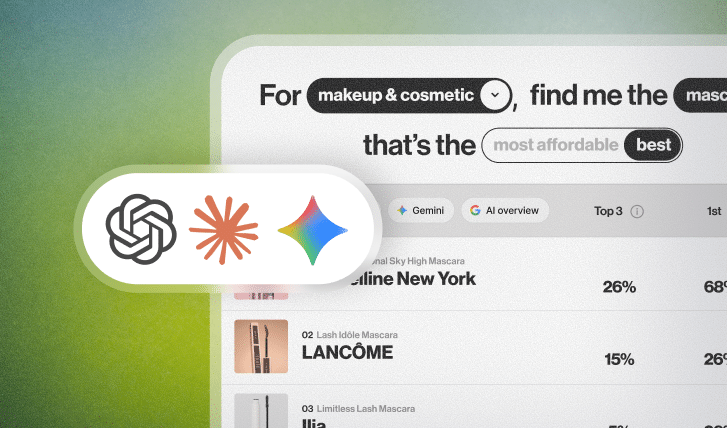










Picture a commerce lead at a growing retail brand, at their desk at 11 PM with two tabs open. One shows a stream of live customer chat transcripts. The other shows a slowly declining organic search graph. Shoppers are not working through category pages the way they used to. They’re asking chat-based interfaces for direct product recommendations instead. The top of the funnel is moving toward automated systems, and that’s exactly why e-commerce AI agents have become a shift worth planning for rather than watching from the sidelines.
Key Takeaways
- Machine-driven commerce is already scaling: AI-driven traffic to U.S. retail sites jumped roughly 693% year-over-year during the 2025 holiday season.
- Customer adoption keeps climbing, with a meaningful share of shoppers planning to use generative AI somewhere in how they buy.
- AI-driven search feels fast to people, and a meaningful share say these tools help them make quicker buying decisions.
- Rolling out internal customer service agents is only half the work, because brands also need to be visible to the external agents that recommend products.
- Pairing your internal agentic stack with Yotpo Discover helps public AI models cite your products when shoppers ask for recommendations.
- Growing brands like Beekman 1802 and David Protein are already using AI visibility strategies to hold their share of voice in AI search engines.
What Makes an AI Agent Worth Adopting in 2026?
The market is crowded with simple chatbots that just follow pre-programmed logic. True AI agents work differently. They read context, make decisions, and carry out multi-step tasks across your e-commerce stack without someone watching over every step. In our work with growing DTC and enterprise brands, we keep seeing the same thing. The distance between what a shopper intends and what a system can actually execute is wider than most dashboards let on.
The rise of agentic commerce is really a change in how customer interactions get handled at scale. In older setups, automation meant rigid decision trees that broke the moment a customer went off-script. Modern conversational agents use large language models to read nuance, handle complex order changes, and recommend products based on contextual clues. That shift is what lets brands grow support capacity without a matching jump in headcount. So the real question is no longer whether to deploy agents, but how to feed them the structured data they need to do good work.
For a CMO or VP of E-Commerce, the payoff is easy to see. These agents trim support ticket volume, recover abandoned carts, and steer shoppers toward the right products (and that’s the part most teams underrate). More than that, they help you keep a high-touch customer experience even as the business gets bigger.
How We Evaluated the Top AI Agents for E-Commerce
To help you find the right platform for your stack, here’s how we ranked them. Five things mattered most:
- Integration depth, meaning how easily the agent connects to major e-commerce platforms like Shopify, Salesforce Commerce Cloud, and BigCommerce.
- Execution capability, meaning whether the agent can actually do things like edit orders, process refunds, or update shipping addresses.
- Intent recognition, meaning how well the system follows complex, multi-part customer questions without losing the thread.
- Tone customization, meaning how closely the agent matches your brand’s voice and style guidelines.
- Data pull-in speed, meaning how quickly the agent reads and learns from your product catalog, help articles, and policy documents.
Below is a side-by-side comparison of the top AI agent platforms, followed by a closer look at each tool’s strengths and where it fits best.
Side-by-Side Comparison of Top E-Commerce AI Agents
| Platform | Primary Focus | Integration Depth | Execution Level |
|---|---|---|---|
| Sierra | Enterprise CX & Support | Custom / API-First | Automated Action |
| Gorgias AI | Shopify Helpdesk Automation | Native Shopify & BigCommerce | Ticket Resolution |
| Ada | Omnichannel Customer Service | Enterprise API / CRM | Multi-System Workflows |
| Klarna AI Assistant | Marketplace Shopping CX | Klarna Merchant Portal | In-App Curation |
| Lindy | Back-Office Operations | Zapier / Custom API | Workflow Automation |
| Rep | Conversational Sales | Shopify App | Cart Recovery |
| Octane AI | Guided Product Discovery | Shopify App | Quiz-Based Curation |
| Pixis | Marketing & Ad Optimization | Ad Network APIs | Bid & Creative Tuning |
The Best AI Agent Platforms for E-Commerce
1. Sierra
Sierra is a modern chat-based AI platform built to handle enterprise customer experiences with a lot of autonomy. It focuses on agents that act as an extension of your internal team, carrying out complex actions securely rather than just pointing people at a help page.
The platform leans on advanced reasoning models to walk customers through complicated issues, instead of routing them to FAQ pages. That’s a big part of why larger consumer brands with detailed operating policies tend to reach for it.
What It Does:
- Holds deep chat-based memory across multi-turn customer conversations, so context never resets mid-thread.
- Runs transactional tasks like processing returns and changing subscriptions on the customer’s behalf.
- Connects to internal APIs to check customer and inventory status in real time before it acts.
- Follows strict brand governance rules to keep every customer interaction safe and on-brand.
Sierra is made for large enterprise retail brands that need polished, custom customer service agents with tight controls. It’s a strong pick for complex environments where brand voice and strict governance simply can’t be compromised.
2. Gorgias AI
Built natively for the Shopify market, Gorgias AI focuses on automating high-volume ticket resolution for growing merchants. It works as an extension of the well-known Gorgias helpdesk, so you can automate standard inquiries while still keeping human agents in the loop.
Because it’s tied so closely into Shopify, setup is quick. The agent can see order details right away, track shipments, and draft replies that draw on a shopper’s past history.
Core Strengths:
- Handles common questions like “where is my order” with instant delivery tracking, no human needed.
- Drafts responses for your human agents to review, which trims response times across the board.
- Tags and prioritizes incoming tickets using sentiment analysis, so the urgent ones surface first.
- Covers multi-channel customer service across email, live chat, and social media in one place.
Right for Shopify and Shopify Plus merchants who want to answer common customer questions instantly. It’s a fast, capable choice for merchant-focused ticketing that needs very little technical setup.
3. Ada
Ada calls itself an automated resolution platform, built to handle enterprise customer support at scale across many languages. It runs on a proprietary reasoning engine that resolves complex customer issues without pulling in a human every time.
The platform is especially good at tying different business systems together. That lets the agent pull information from your CRM, warehouse manager, and payment gateway to solve an issue inside one conversation.
Notable Capabilities:
- Builds automated workflows across SMS, WhatsApp, and on-site chat from a single setup.
- Resolves customer queries in over 100 languages with native translation built in.
- Reports detailed analytics on resolution rates and customer satisfaction scores you can act on.
- Offers a visual, drag-and-drop builder for designing complex customer processes without code.
Right for high-growth omnichannel retail brands that need multi-lingual support and deep API actions. It shines when you have to bridge customer support across web, SMS, and WhatsApp at once.
4. Klarna AI Assistant
Originally built to serve Klarna’s huge consumer base, the Klarna AI Assistant handles everything from refund requests to personalized fashion curation. It helps merchants by managing customer interactions right inside the Klarna shopping app.
It’s less customizable than an agent on your own channel, but the reach is hard to match. It works like an on-demand shopping assistant, helping millions of active buyers find and buy products every day.
Key Functions:
- Recommends products based on each shopper’s buy history and style preferences.
- Handles routine payment, refund, and return questions inside the Klarna app.
- Powers a chat-based search interface for discovering partner brand items.
Right for brands that want to lift conversion within the Klarna shopping market. It’s strong for marketplace players, though it’s less suited as your main owned-channel customer service tool.
5. Lindy
Lindy is a flexible, workflow-first agent platform that lets operations teams build their own internal assistants. Rather than focusing only on customer-facing chat, Lindy is at its best automating back-office processes and the operational work that piles up.
You can train a “Lindy” to track supplier communications, flag inventory discrepancies, or draft replies to wholesale inquiries. It works like an operational multiplier for lean e-commerce teams (the kind running ten jobs with three people).
How It Handles Workflows:
- Triggers automated tasks off specific inbox alerts or data changes, so nothing waits on a person.
- Drafts emails, reviews supplier invoices, and formats product catalog sheets for you.
- Connects to thousands of business tools through Zapier and custom webhooks.
Right for merchant teams that want to automate back-office work like inventory updates and supplier emails. It’s a versatile internal workspace tool that handles coordination and the operational steps well.
6. Rep
Rep works as a chat-based sales assistant built specifically to prevent cart abandonment. It watches shopper behavior on your store and starts a personalized conversation when it spots hesitation or confusion.
The platform is tuned for product discovery, acting a lot like a digital sales associate on the floor of a physical store. It answers product-specific questions to help shoppers finish checking out.
Sales-Focus Features:
- Triggers early chat messages based on mouse movement and how far someone scrolls.
- Answers specific product questions using data pulled straight from your
PDPs. - Guides shoppers through checkout when they hit an error or get stuck.
Right for growing DTC brands trying to lift on-site conversion through early shopping guidance. It’s strong for chat-based commerce, though its back-office scope stays fairly limited.
7. Octane AI
Octane AI uses quiz-based logic and AI-driven recommendations to guide shoppers to the right products. It’s a good fit for brands with complex catalogs, where customers genuinely need help choosing the correct item.
The agent gathers useful zero-party data during the quiz, which you can then use to personalize future email and SMS campaigns. Over time that builds stronger customer relationships, not just one-off sales.
Interactive Capabilities:
- Builds visual, chat-based product recommendation quizzes shoppers actually finish.
- Reads quiz answers to recommend specific product bundles that match each person.
- Syncs the collected customer data natively with marketing tools like Klaviyo.
Right for beauty, wellness, and apparel brands where customer education drives average order value. It’s a favorite for guided product discovery and for collecting useful zero-party shopper data along the way.
8. Pixis
Pixis offers automated AI agents focused on marketing optimization and creative generation. It helps digital teams manage complex cross-channel ad budgets and creative assets without constant manual tweaking.
The system tracks live ad performance across platforms like Meta and Google, adjusting bids and targeting on its own to make the most of ad spend. That cuts down on the budget you’d otherwise burn on campaigns that aren’t working.
Marketing Focus:
- Tunes bidding strategies in real time based on how performance is actually trending.
- Generates and tests ad creative variations to find the designs that convert best.
- Spots new target audience segments by reading patterns in your customer data.
Right for mid-market to enterprise digital marketing teams managing heavy cross-channel ad budgets. It’s a strong operational tool for getting more from ad spend and generating assets at scale.
Complementary Solution: The AI Visibility Layer
Yotpo Discover – Helping AI Agents Actually Recommend Your Brand
Rolling out internal AI agents to handle customer service and product recommendations is genuinely valuable. But those agents only talk to shoppers who are already on your website. So what about the millions of people using external AI search engines (like ChatGPT, Gemini, and Google AI Overviews) to find products in the first place? If those platforms don’t know your brand exists, your internal agents will never have anyone to talk to.
When external AI models or consumer-facing shopping assistants recommend products, they don’t read your marketing copy. They parse structured data and crawl for real validation. If your brand is missing the basic technical schema, or has no off-site presence in public forums, external agents will keep passing your catalog by.
This disconnect is where old-school search strategies stop delivering results. Yotpo Discover closes that exact gap by taking a brand’s real customer sentiment and turning it into a structured asset that search engines actually prioritize.
Without this visibility layer, even your most advanced internal customer-service agents end up working in a vacuum.
That’s why Yotpo Discover is the first AI visibility platform built specifically around the complex reality of commerce. It doesn’t just track your SKU-level commerce data. It looks at the exact reasons an AI model picked a competitor over you, then uses that to improve your visibility. The platform helps you track and act on AI visibility gaps across ChatGPT, Gemini, and Google AI Overviews.
Yotpo Discover runs on an architecture built around three automated agents that work in the background to win your citations:
- The Onsite Agent scans your storefront continuously to find and fix technical issues that hurt AI crawlability. It keeps your Product Detail Pages, structured schema, and internal linking in good shape so AI engines can read your catalog attributes without trouble.
- The Content Agent generates answer-ready articles for your blog and puts together outreach briefs to fill visibility gaps on third-party sites. It builds that content from your real customer reviews and order history, which models trust more than generic text (real proof beats invented copy).
- The Activation Agent finds where AI engines are sourcing their recommendations, like Reddit or specialized marketplaces, then prompts your verified customers to share their genuine experiences on those exact platforms.
By connecting your product catalog and your first-party shopper data, Yotpo Discover builds a strong foundation for AI visibility. Growing brands like Beekman 1802 and David Protein use Yotpo Discover to show up better in AI engine results across ChatGPT and Google AI Overviews. So when external AI agents go looking for products in your category, your brand is the one they recommend.
How to Choose the Right AI Agent for Your Technology Stack
To pick the right tool, start by naming your biggest operational bottleneck. If your team is buried in customer service emails, lean toward native helpdesk tools like Gorgias AI. If you want better on-site conversions through guided shopping, platforms like Rep or Octane AI are the right place to begin.
Once your internal agents are in place, the focus should shift to external visibility. Pairing your internal chat-based tools with a dedicated visibility layer like Yotpo Discover helps you capture demand at both ends of the funnel. You can check your current search readiness by getting a free AI visibility audit to see exactly how engines view your brand.
“AI visibility is no longer a single dashboard metric – it’s a multi-engine surface that demands SKU-level commerce data and active publication. Brands treating it as an extension of legacy SEO are watching their share of voice erode quarterly.”
Ben Salomon, Growth Marketing Manager at Yotpo
To set your brand up for AI search, visit the Yotpo Discover page and request a demo. You can also get an immediate read on your performance with a free AI visibility score today.
Frequently Asked Questions
What are AI agents for e-commerce?
AI agents for e-commerce are automated software programs that use large language models to perform complex, multi-step tasks. Unlike traditional chatbots, they can reason, reach into databases, and run actions like order processing or personalized product curation without a human stepping in.
How do AI agents improve customer service?
They improve support by resolving common questions instantly, around the clock. Because they connect to your helpdesk and order systems, they can handle complex tasks like tracking packages, managing exchanges, and updating shipping addresses. That leaves your human agents free for the nuanced cases.
What is the difference between an AI agent and a chatbot?
A traditional chatbot follows a rigid, pre-programmed decision tree and stumbles the moment a user asks something unexpected. An AI agent uses natural language processing to read context, adapt to different chat-based flows, and make automated decisions to resolve the issue.
How do AI agents recommend products?
Agents recommend products by reading customer queries, buy history, and catalog data. Advanced systems like Octane AI or Rep can guide shoppers through a chat-based quiz to suggest specific product bundles based on what each person actually needs.
Why does my brand need an AI visibility platform like Yotpo Discover?
While customer service agents help shoppers already on your site, external AI engines (like ChatGPT or Perplexity) recommend products to people searching the web. Yotpo Discover helps these external engines cite and recommend your products by improving your site schema and activating off-site review signals.
Does Yotpo Discover replace my traditional SEO strategy?
No, Yotpo Discover is a complementary planned layer that works alongside traditional SEO. Traditional SEO helps you rank in keyword-indexed search engines, while Yotpo Discover works to win citations in chat-based AI engines and Google AI Overviews.
How does Yotpo Discover use customer reviews?
Yotpo Discover’s Content Agent reads your real shopper voices and order history to generate review-backed buying guides and content. Because search engines prioritize authentic, real-world customer feedback over generic AI text, that approach noticeably improves your citation rates in AI search results.



 Join a free demo, personalized to fit your needs