



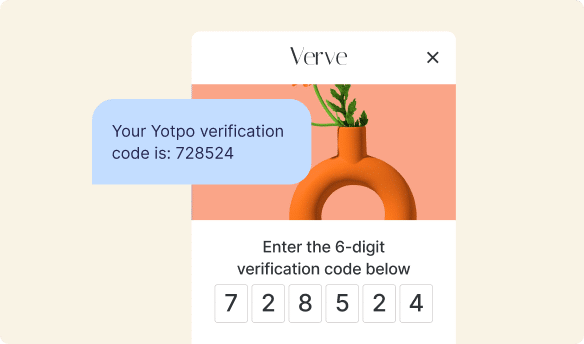









Hey there! Imagine you just got a brand-new toy or a cool video game. How do you figure out how to play with it or what to do first? Maybe you read the instructions, or a friend shows you the ropes, right? That feeling of someone guiding you when you’re new to something is exactly what user onboarding is all about, but for websites, apps, or even online stores.
Think of user onboarding as a super friendly welcome committee. It’s the process designed to help new users understand how to use a product or service, learn its features, and get value from it as quickly and easily as possible. The goal is to make sure you feel comfortable and confident, turning you into a happy, active user who sticks around for a long time. It’s not just about showing you what buttons to click; it’s about making you feel at home.
What Does User Onboarding Look Like?
User onboarding isn’t a one-size-fits-all thing. It changes depending on what you’re signing up for. But the main idea is always the same: make the first experience great!
When You Sign Up for an App
Ever downloaded a new game or a drawing app? Often, the app will have a quick tour the very first time you open it. It might point out where the “play” button is, how to change your character, or where to find your tools. This quick guide is a perfect example of onboarding. It helps you jump right into the fun without feeling lost.
Shopping Online
When you visit a new online store, the onboarding might be a bit different. It could be super clear navigation that helps you find what you want, helpful pop-ups (that aren’t annoying!) explaining special offers, or even suggestions based on what other people bought. The store wants you to easily find products, understand how to buy them, and feel good about your choices. A smooth shopping experience from the start can make a big difference. You can read more about how customers make decisions here.
Learning a New Online Tool
If you’re using a new website that helps you do homework or create presentations, the onboarding might include a step-by-step wizard. This is like a friendly helper that guides you through setting up your profile, shows you how to start your first project, and highlights important features. These tools want to make sure you succeed right away.
Why Is Good Onboarding So Important?
You might be thinking, “Why bother with all this welcome stuff? Can’t people just figure it out?” Well, a great onboarding experience is actually super important for many reasons. It’s not just polite; it’s smart!
Keeps People Around
Imagine you joined a new club, but no one told you what to do or where to go. You’d probably get bored and leave, right? The same goes for websites and apps. If users don’t understand how to use something quickly, they might get frustrated and leave. Good onboarding makes them feel smart and successful, which means they’re more likely to stick around. This is called customer retention, and it’s a big deal for businesses.
Makes Users Happy
When you learn something new easily, it feels good. Onboarding helps users feel happy and accomplished from the start. Happy users are more likely to tell their friends about your product, write positive reviews, and become loyal fans. Speaking of reviews, they’re super important for building trust, and we’ll talk more about that soon!
Saves Time and Trouble
When users are onboarded properly, they ask fewer questions to customer support because they already know how to do things. This saves time for both the user and the company. It’s like teaching someone how to ride a bike once, instead of having to help them every single time they want to go for a ride.
The Different Steps of a Great Onboarding Journey
A really good onboarding process isn’t just one step; it’s a whole journey! Here are some common parts you might see:
- The Warm Welcome: This is often the very first thing you see after signing up. It could be a friendly email, a quick message on the screen, or a simple pop-up saying “Welcome to the family!” It sets a positive tone.
- Showing You the Ropes (Tutorials & Guides): This is where the real learning happens. It might be:
- A short video that explains the main things.
- Interactive tours that point to different buttons and explain what they do as you click them.
- A “getting started” checklist that helps you complete your profile or make your first creation.
- A Helping Hand (Support & FAQs): Even with great guides, sometimes you’ll have questions. Good onboarding makes it easy to find answers. This could be a link to a “Frequently Asked Questions” (FAQs) section, a helpful chat bot, or clear instructions on how to contact support. You can often find answers to common questions on a company’s FAQ page.
- Encouraging Engagement: This step gently pushes you to use the product more. Maybe it suggests you invite a friend, complete a small task, or explore a new feature. The goal is to get you actively involved so you discover more value.
Every step is designed to make you feel capable and excited about what you can do next.
Key Ingredients for a Successful Onboarding
To make an onboarding journey truly great, businesses need to add some special ingredients. It’s like baking a perfect cake – you need all the right parts!
| Ingredient | Why It’s Important | Example |
|---|---|---|
| Clear Communication | Users need to understand what to do and why. No big, confusing words! | Simple instructions like “Click here to add your first photo” instead of “Initiate image upload protocol.” |
| Making It Easy | The simpler, the better. Remove any extra steps or confusing choices. | Instead of filling out a long form, maybe it asks for just your name and email first. |
| Personal Touch | Making users feel special, not just like another number. | Greeting them by name or suggesting things based on what they said they like. |
| Feedback Loop | Letting users know they’re doing a good job or asking what they think. | A “Great job, you completed your profile!” message or a quick survey asking “Was this guide helpful?” |
These ingredients help create an experience that feels welcoming and gets users on their way quickly.
How User-Generated Content (UGC) Boosts Onboarding (and Beyond)
Now, let’s talk about something really cool that helps new users feel confident: User-Generated Content (UGC). This is any content – like photos, videos, or reviews – that regular people (users!) create about a product or service. It’s not made by the company itself, but by the people who use it. And it’s incredibly powerful, especially for onboarding!
The Power of Social Proof
Imagine you’re trying a new food, and you see all your friends enjoying it. You’d probably be more willing to try it too, right? That’s called “social proof.” When new users see real people talking positively about a product or service, it builds trust. They think, “Hey, if others are using and loving this, maybe I will too!” You can learn more about word-of-mouth marketing and why it’s so effective.
Reviews: Building Trust from Day One
One of the best forms of UGC is customer reviews. When you’re new to a website or thinking about buying something, seeing reviews from other customers can make all the difference. These reviews show what real people think, how they use the product, and if they’re happy with it. For a new user, seeing lots of positive reviews makes them feel much more comfortable and trusting right from the start of their journey. It helps them understand the value and quality of what they’re getting into.
Businesses use special tools, like Yotpo Reviews, to make it easy for customers to share their thoughts and experiences. These tools help companies collect star ratings, written reviews, and even photos or videos from customers. Then, these valuable insights can be displayed prominently on product pages, making it easy for new visitors to see genuine feedback. This isn’t just good for selling; it’s a crucial part of building a trustworthy environment that helps new users feel good about their decision to engage with a brand. You can learn more about how to ask for customer reviews and why they are so vital for eCommerce product pages.
The Power of Loyalty Programs in Keeping Users Engaged
Once a user is successfully onboarded and feeling comfortable, the next step is often to keep them coming back. This is where loyalty programs shine! Think of a loyalty program like getting a special reward for being a regular at your favorite ice cream shop. The more you visit, the more treats you get.
Loyalty programs are designed to reward customers for their continued engagement and purchases. They make users feel appreciated and give them a reason to choose that particular brand again and again. For new users who have just been onboarded, introducing them to a loyalty program can be a fantastic way to show them the long-term benefits of staying connected.
How Loyalty Programs Work
Typically, a loyalty program works by giving you points for things you do, like making a purchase, signing up for a newsletter, or even celebrating your birthday! You can then use these points to get discounts, free items, or exclusive access to new products. This encourages you to interact more with the brand and build a stronger relationship.
Yotpo Loyalty is a powerful tool that helps businesses create and manage these exciting reward systems. With Yotpo Loyalty, companies can design unique programs that fit their brand, offering different ways for customers to earn and redeem points. This makes it simple for businesses to thank their best customers and motivate new users to become repeat buyers. A well-designed loyalty program, integrated into the user’s journey after successful onboarding, helps turn first-time visitors into long-term advocates. You can explore some of the best loyalty programs out there to see how they work.
The Synergy Between Reviews and Loyalty
While Reviews and Loyalty are separate, best-in-class products, they can work together beautifully. Imagine a new user sees fantastic reviews, trusts the brand, and makes a purchase. That purchase could earn them points in a loyalty program. Later, after a great experience, they might be encouraged to leave their own review, which not only earns them more loyalty points but also provides social proof for the next wave of new users! It’s a wonderful cycle that builds trust and encourages continuous engagement.
Measuring Success: How Do You Know Your Onboarding Is Working?
So, you’ve put all this effort into making a great welcome experience. How do you know if it’s actually working? Businesses keep an eye on a few key things to measure how well their onboarding is doing:
- User Retention: This is probably the biggest one. Are people sticking around after they’ve been onboarded? If many users leave right after their first day or week, it might mean the onboarding needs a tweak. Higher retention means users are finding value and staying engaged. Understanding what eCommerce retention is can give you more insights.
- Engagement Rates: Are users actually using the key features you showed them? Are they completing their profiles, making their first purchase, or interacting with the app? If they are, it means the onboarding successfully guided them to those actions.
- Feedback: Sometimes, the best way to know if onboarding is working is to simply ask! Companies might send out quick surveys or ask for comments. Listening to what users say helps make things even better.
By watching these things, businesses can figure out if their welcome wagon is truly rolling out the red carpet for new users.
Common Onboarding Mistakes to Avoid
Even with the best intentions, it’s easy to make mistakes. Here are a few common pitfalls businesses try to steer clear of when designing their onboarding:
- Too Much Information, Too Soon: Imagine someone telling you all the rules of a game before you even get to play it! It would be overwhelming. Similarly, overloading new users with too many details at once can make them confused and tired.
- Not Enough Guidance: On the flip side, just throwing users into the deep end without any instructions is a recipe for frustration. People need clear directions, especially when everything is new.
- Forgetting About the User After the First Few Steps: Onboarding isn’t just about the first five minutes. It’s about a sustained effort to help users get comfortable over their first few days or weeks. Companies need to keep offering helpful tips and support, not just at the very beginning.
- Making It Too Complicated: If the onboarding itself is difficult to navigate or understand, it defeats the whole purpose. It should be simple, intuitive, and enjoyable.
Avoiding these mistakes helps create a smooth and positive start for every new user.
Bringing It All Together: A Seamless Experience
Ultimately, great user onboarding isn’t just a stand-alone part of a website or app; it’s a vital piece of the entire customer experience. When users feel welcomed, understood, and supported from the moment they arrive, they are more likely to become happy, loyal customers.
Think about it: a smooth onboarding experience sets the stage for a positive journey. Then, as users continue to explore, tools like Yotpo Reviews help them trust the brand and its products by seeing what others have to say. And when they become regulars, Yotpo Loyalty programs give them exciting reasons to stay engaged and continue their relationship with the brand. It’s all about building connections and making every interaction count, creating a seamless and rewarding experience from start to finish. Good onboarding is truly the first step toward a lasting customer relationship.


 Join a free demo, personalized to fit your needs