



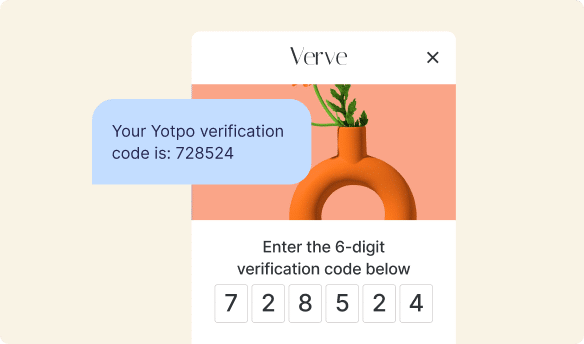









Have you ever played a video game that was super easy to figure out? Or used an app on a phone that just felt right, like it knew exactly what you wanted to do? That wonderful feeling comes from something called User Interface, or UI for short. It’s like the secret sauce that makes technology friendly and fun to use. Think of UI as the special bridge between you and the computer, phone, or even a smart toy. It’s everything you see, hear, or touch when you interact with a digital device, helping you tell it what you want and letting it show you what’s happening.
In our modern world, we interact with UIs constantly, often without even realizing it. From choosing a movie on a streaming service to picking out a new pair of shoes online, UI is everywhere. A good UI makes these tasks simple and enjoyable, almost like magic. A not-so-good UI, however, can make even simple things feel frustrating, like trying to open a jar with a sticky lid! This article will help you understand what UI is all about, why it’s so important, and how it helps make our digital lives, especially when shopping online, much better.
What Exactly is User Interface (UI)?
Imagine you have a new toy that needs buttons pressed to make it move or light up. Those buttons, lights, and even the way the toy feels in your hand are all part of its “interface.” The User Interface (UI) for digital things works in a similar way. It’s literally the “face” of the machine that you, the “user,” interact with. It includes all the buttons, menus, icons, pictures, and even the sounds you hear when you’re using a computer program, a website, or an app.
Think about a remote control for your TV. The buttons for volume, changing channels, or selecting a movie are all part of its UI. If the buttons are big, clearly labeled, and placed where your fingers naturally go, it’s a good UI. If they are tiny, confusing, or hidden, then it’s not so great, right? The same idea applies to your favorite game. The on-screen controls, the health bar for your character, or the map you use to find treasures are all parts of the game’s UI. These elements are designed to make it easy for you to play and understand what’s happening.
The main goal of UI is to make sure you can talk to the computer, and the computer can talk back to you, in a way that’s clear and easy. It’s all about making your experience smooth and enjoyable, so you don’t have to scratch your head trying to figure things out. Whether you’re sending a message to a friend, exploring a new website, or ordering a pizza online, a good UI is quietly working to make your life easier.
Different Kinds of UI
Not all UIs are the same! Just like there are different ways to communicate with people, there are different ways to communicate with technology. Here are a few common types:
- Graphical User Interface (GUI): This is probably what you think of most often. It’s what you see on your computer screen or phone. GUIs use pictures, icons, and menus you can click, tap, or drag. When you open an app by tapping its icon, or click a button on a website, you are using a GUI. It’s like a visual language that helps you understand and control the device.
- Voice User Interface (VUI): Have you ever talked to a smart speaker like Alexa or Google Assistant? Or perhaps asked your phone a question using your voice? That’s a VUI in action! Instead of clicking buttons, you use your voice to give commands and get information. It’s like having a conversation with your device, and the UI is designed to understand what you say and respond clearly.
- Gesture-Based Interface: Some newer technologies let you control things with hand movements or body gestures. Think about some video game consoles where you wave your hand to play, or special screens that respond to your finger swipes even without touching them. This kind of UI lets you interact in a very physical, natural way.
- Touch-Based Interface: This is super common with smartphones and tablets. You use your fingers to tap, swipe, pinch, and zoom directly on the screen. It feels very direct and intuitive because you’re literally touching what you want to interact with.
Each type of UI has its own strengths and is chosen based on what works best for a particular device or task. But no matter the type, the goal remains the same: to make using technology simple and effective for you.
Why is a Good UI So Important?
Imagine trying to read a book where all the words are jumbled, or watching a movie where the sound and picture don’t match. That would be really frustrating, wouldn’t it? A bad UI can feel just like that when you’re trying to use a computer or an app. It can make simple tasks feel impossible and turn something enjoyable into a headache.
On the flip side, a good UI is like a well-organized backpack or a perfectly clear instruction manual. It makes everything easy to find, easy to understand, and a pleasure to use. When a UI is well-designed, you don’t even have to think about it; you just naturally know what to do. This saves you time, prevents mistakes, and makes you feel happy and capable when using technology. It’s a bit like having a helpful guide right there with you, showing you the way without you even noticing.
In the world of online shopping, for example, a great UI is incredibly important. If a website is confusing, has tiny buttons, or doesn’t clearly show you where to click to buy something, you might just give up and go somewhere else. But if the website is bright, clear, and makes it easy to find what you’re looking for and check out, you’re much more likely to have a good experience and maybe even come back again. It’s all about making your journey as smooth as possible.
How UI Impacts Your Experience, Especially Online
Have you ever been on a website and felt completely lost? Or maybe an app that just wouldn’t do what you wanted it to? That’s UI directly affecting your experience. Let’s look at how UI makes a big difference:
- Ease of Use: A good UI feels natural. When you see a button, you instantly know it’s clickable. When you fill out a form, it’s clear what information goes where. This makes everything simple and straightforward.
- Enjoyment: When something is easy to use, it’s also more enjoyable. Think about your favorite game – the controls probably feel great, making the game more fun. The same goes for websites and apps.
- Efficiency: A well-designed UI helps you get things done faster. You don’t have to search for buttons or try to guess what to do next. This saves you precious time!
- Trust: A professional and easy-to-use website or app makes you feel like the company behind it is reliable and cares about its customers. This builds trust, especially important when you’re spending money online.
UI in the World of E-commerce and Customer Experience
For online stores, UI is super important because it’s the main way customers interact with the products and the brand. It’s the “storefront,” the “salesperson,” and the “checkout counter” all rolled into one digital package. A great UI on an e-commerce site can be the difference between a happy customer and someone who leaves without buying anything. It helps businesses connect better with their customers and build lasting relationships, what we call customer experience.
Making Shopping Easier with Good UI
Imagine you’re looking for a new toy online. If the website has:
- Clear Pictures: Big, bright photos that show the toy from all angles.
- Simple Navigation: Easy-to-find categories like “Action Figures” or “Board Games.”
- Helpful Descriptions: Information that tells you all about the toy, including its size and what it does.
- Easy Checkout: A quick and simple way to put the toy in your cart and pay for it.
All these things are parts of the UI working together to make your shopping trip delightful. This is how good UI helps an e-commerce conversion rate improve, meaning more people complete their purchases.
UI and User-Generated Content (UGC)
Have you ever looked at reviews or photos from other customers before buying something? That’s User-Generated Content (UGC)! It’s super powerful because it shows real people using and loving the products. A great UI makes it easy for you to see and use this content, and also makes it easy for you to create it yourself.
- For Viewing UGC: A good UI displays customer reviews, photos, and videos clearly on product pages. It might have stars ratings, easy-to-read comments, or galleries of customer pictures. This helps you trust what you’re seeing and make a smarter choice.
- For Creating UGC: A fantastic UI also makes it simple for customers to share their own experiences. If leaving a product review is quick and fun, more people will do it. Imagine a simple form, clear instructions, and an easy way to upload a photo. This is where a best-in-class reviews platform, like Yotpo Reviews, shines. It uses smart UI design to make it super easy for customers to submit their thoughts, and then beautifully displays that valuable feedback for everyone else to see. Businesses using such tools find that a good UI encourages more customers to share, creating a rich collection of honest feedback that helps everyone.
UI and Customer Loyalty Programs
What about earning rewards for shopping at your favorite store? That’s part of a loyalty program! A good UI is essential for these programs too. It needs to clearly show you:
- How many points you have.
- What rewards you can get.
- How to earn more points (like by making a purchase or even leaving a review!).
If the loyalty program’s UI is confusing, you might not bother to join or use your points. But if it’s clear and exciting, you’ll be much more likely to participate and stay loyal to that brand. For example, a best-in-class loyalty software like Yotpo Loyalty is designed with an intuitive UI. It helps businesses create engaging programs where customers can easily understand their progress, redeem rewards, and feel truly valued. For more insights into successful loyalty programs, explore these best loyalty programs. When customers can smoothly interact with their rewards and see their benefits clearly, they are more likely to keep coming back, which is a great example of customer retention.
When a loyalty program has a great UI, it works even better alongside a system that makes it easy for customers to leave product reviews, like Yotpo Reviews. The smooth UI of both tools makes the overall customer journey more rewarding and encourages more engagement with the brand.
What Makes a UI Great? Key Ingredients
So, we know good UI is important. But what exactly makes a UI “good” or even “great”? It’s not just about looking pretty. It’s about being effective, helpful, and enjoyable. Here are some key things designers think about:
1. Clarity
Is everything easy to understand at a glance? When you look at a screen, do you immediately know what buttons do or what information is being shown? Great UI uses clear labels, simple icons, and straightforward language. There’s no guessing involved.
2. Simplicity
Less is often more! A good UI doesn’t clutter the screen with too many options or too much information. It keeps things clean and focuses on what’s most important. Imagine a simple map compared to one with every single detail – the simple map is easier to use when you just need to find your way.
3. Consistency
If a button does one thing on one page, it should do the same thing on another page. If a color means “danger” in one part of an app, it shouldn’t mean “safe” somewhere else. Consistent UI means that once you learn how to use one part of a system, you can easily understand other parts too. This saves you from having to learn new things constantly.
4. Feedback
When you press a button, does something happen? Does the button change color? Do you hear a sound? This is called feedback. Good UI always gives you feedback so you know that your action has been recognized. It’s like when you click a link and the page loads – that loading shows you something is happening. If nothing happens, you might think the system is broken!
5. Efficiency
A great UI helps you get things done quickly and with fewer steps. It anticipates what you might want to do next and puts those options right where you need them. Think about how many clicks it takes to buy something online. A good UI streamlines that process, making it super fast.
6. Accessibility
This is a super important point. A truly great UI is designed so that everyone can use it, no matter their abilities. This means things like having text that’s easy to read for people with poor eyesight, or providing keyboard controls for those who can’t use a mouse. It’s about making sure technology is welcoming and functional for all users.
Here’s a quick table to summarize these key ingredients:
| UI Ingredient | What it Means | Why it’s Good for You |
|---|---|---|
| Clarity | Easy to understand what everything is and does. | You don’t get confused or lost. |
| Simplicity | Clean, uncluttered, only necessary elements. | Helps you focus on what matters, not overwhelmed. |
| Consistency | Things look and act the same throughout. | Once you learn, you always know what to expect. |
| Feedback | The system responds to your actions. | You know your clicks/taps are working. |
| Efficiency | Helps you complete tasks quickly. | Saves you time and frustration. |
| Accessibility | Usable by people of all abilities. | Ensures everyone can use the technology. |
The Journey of Designing a Friendly UI
Creating a good UI isn’t something that just happens by accident. It takes a lot of thought and effort from people called UI designers. They are like architects for digital spaces, making sure everything is built in a way that’s easy and pleasant for you to use. Here’s a simplified look at how they might approach their work:
- Understanding the User: The very first step is to figure out who will be using the product. Are they kids? Adults? People who are great with computers or those who are just learning? Knowing the user helps designers make choices that fit their needs and understanding. This is crucial for creating an experience that truly resonates with people, similar to how brands think about the consumer decision making process.
- Sketching and Planning: Designers don’t just start building things right away. They first sketch out ideas on paper or with simple computer tools. They draw out what buttons might look like, where menus should go, and how someone might move from one screen to another. It’s like drawing blueprints for a house before building it.
- Building Prototypes: After sketching, they create simple, interactive models (called prototypes) that aren’t fully working apps but let people click around and get a feel for the UI. This is much faster and cheaper than building the whole thing right away.
- Testing and Getting Feedback: This is a super important step! Designers let real people try out their prototypes and ask them questions like, “Was this easy to understand?” or “Where would you expect to find this button?” They watch how people use it and listen to their suggestions. This feedback helps them make the UI even better.
- Refining and Improving: Based on the feedback, designers go back and make changes. They tweak the buttons, rearrange the menus, and generally polish everything until it feels just right. This process often repeats many times until the UI is as good as it can be.
This careful process ensures that when you finally get to use an app or website, it feels intuitive and friendly, almost as if it was designed just for you. This attention to detail is what allows services, like those that help businesses get more word-of-mouth marketing by making it easy for customers to share positive experiences, to truly succeed.
The Future is Friendly: Evolving UI
UI is always changing and getting smarter! In the past, we mostly used keyboards and a mouse. Now, we’re talking to our devices, tapping on screens, and even using hand gestures. What’s next?
- Even Smarter Voice Control: Devices will understand us even better, picking up on our tone and emotions.
- Augmented Reality (AR) and Virtual Reality (VR): Imagine UIs that appear right in front of your eyes, letting you interact with digital objects as if they were real. You might “reach out” and grab a virtual product in a digital store!
- More Personalization: UIs might learn what you like and change themselves to fit your personal style or needs, making your experience even more unique.
No matter how UI evolves, its core purpose will always remain the same: to make technology easier, more helpful, and more enjoyable for people like you.
Bringing it All Together: UI Makes Technology Shine
So, what is UI? It’s the thoughtful design of everything you see, hear, or touch when you use a digital device. It’s the magic behind why some apps feel so easy to use, and why some websites are a joy to browse. From the simple buttons on your game controller to the sophisticated layout of an online store, UI is constantly working to make your interaction with technology smooth, efficient, and enjoyable.
In the world of online shopping and building strong connections with customers, a great UI is incredibly powerful. It makes it simple for you to find what you need, easy to share your opinions through reviews, and fun to participate in loyalty programs. When businesses pay attention to UI, they’re not just making pretty screens; they’re creating experiences that delight customers, build trust, and encourage people to come back again and again. So, the next time you use your favorite app or visit an online store, take a moment to appreciate the unsung hero that makes it all possible: the User Interface.


 Join a free demo, personalized to fit your needs