



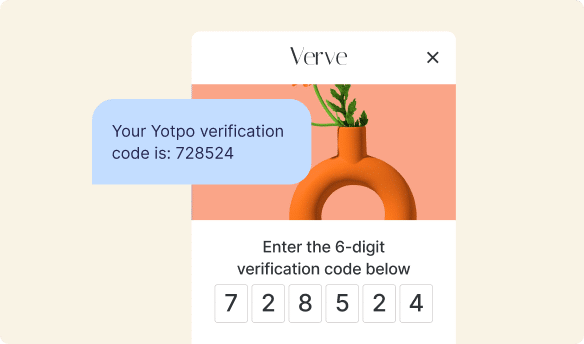









Imagine playing catch with a friend. You throw the ball, they throw it back – that’s a two-way game. Communication is similar! Sometimes, it’s just one person talking, like watching TV. The TV talks to you, but you can’t talk back. That’s one-way. But what if you could? What if you could ask questions and get answers? That’s two-way messaging. It means both sides can send and receive messages, having a real conversation. This back-and-forth is key for making connections, especially when online stores want to talk with their customers.
The Old Way vs. The New Way: Talking and Listening
For a long time, talking between businesses and customers was often one-way, like watching a TV show. Stores sent out ads, emails, or flyers, telling you things without an easy way to talk back. Asking a question meant long phone waits or slow mail replies. It was impersonal and slow.
Imagine a shop sign announcing “New toys!”—that’s one-way. You can’t ask the sign about specific toys. Now, picture walking in and the owner asking, “Anything I can help you find?” You can ask about robots, and they answer immediately! That’s two-way communication, a real chat where both are involved.
In the digital world, two-way messaging lets people talk to businesses just like they would talk to a friend. You send a message, and you expect a reply. This makes everything feel much more friendly and helpful. It changes how businesses and customers connect, making it easier for everyone to understand each other and get what they need.
One-Way vs. Two-Way Messaging: A Quick Look
To make it super clear, here’s a simple comparison of these two ways of talking:
| Feature | One-Way Messaging | Two-Way Messaging |
|---|---|---|
| Sender & Receiver | One party sends, the other only receives. | Both parties send AND receive messages. |
| Interaction | Limited or no direct response possible. | Full back-and-forth conversation. |
| Speed of Help | Slow for getting questions answered or problems solved. | Fast, real-time help and problem-solving. |
| Feeling | Impersonal, like being talked “at”. | Personal, like having a helpful friend. |
| Examples | TV commercials, billboards, mass email newsletters (without reply option). | Live chat, social media DMs, responding to reviews, customer support texts. |
Why Two-Way Messaging is So Great for Everyone
So, why is this back-and-forth way of talking such a big deal? It’s because it makes things better for both the people buying stuff and the businesses selling it. Let’s look at some of the cool things that happen with two-way messaging.
Building Trust and Understanding
When you can ask questions and get answers, you feel more sure about things, right? If you’re looking at a cool new video game online and you’re not sure if it works on your game console, you can just send a quick message and ask. Getting a fast, clear answer builds your trust in the store. You think, “Hey, these people are helpful!”
For businesses, it helps them understand what customers really want or what problems they might have. It’s like having a superpower that lets them read minds, but instead of reading minds, they’re just really good at listening!
Solving Problems Faster
Imagine your new toy arrives, but a piece is missing. With one-way communication, you might spend ages trying to figure out what to do. With two-way messaging, you can send a quick note, explain the problem, and get help right away. Maybe they can send the missing piece or tell you how to fix it. This speedy help makes everyone happier.
When businesses can quickly chat back and forth with customers, they can fix issues before they become big problems. This means fewer unhappy customers and more people who are excited about their purchases!
Making Things More Personal
Nobody likes to feel like just another number, right? When a store talks to you directly, answers your specific questions, or even remembers something you asked before, it feels special. It’s like your friend remembering your favorite ice cream flavor.
Two-way messaging allows businesses to treat each customer like a real person, not just someone in a big crowd. They can tailor their responses and even suggest things that might be perfect for you, based on your previous conversations or interests. This personalized touch makes shopping a much more enjoyable experience. You can learn more about making shopping personal by exploring how brands improve ecommerce customer experience.
How Two-Way Messaging Works (The Basics)
So, how does this magical two-way conversation actually happen online? It uses different tools and places where messages can fly back and forth. Let’s explore the common ways this works.
Different Tools and Channels
Just like you might talk to different friends using different apps, businesses use various “channels” for two-way messaging:
- Website Chat: Many online stores have a little chat bubble on their website. You can click it, type a question, and someone from the store can type back to you in real-time. It’s like talking face-to-face, but with typing!
- Social Media: If you follow a store on Instagram or Facebook, you can often send them a direct message. They can then reply to your message right there. It’s a casual way to chat.
- Review Platforms: When you leave a review about a product or a store, that’s you sending a message. And guess what? Good businesses often respond to those reviews! That’s a perfect example of two-way communication. This is a powerful way for businesses to engage, and you can learn more about it with Yotpo Reviews, which helps businesses manage and respond to customer feedback.
- Email: While sometimes slower, email is definitely a two-way street. You send an email, and someone sends one back. It’s great for more detailed questions.
Each of these channels offers a way for businesses and customers to have a real dialogue, making sure that messages aren’t just sent, but also received and answered.
The Flow of Conversation
The main idea behind two-way messaging is simple: it’s a circle of communication, not a straight line. Here’s how it usually goes:
- You send a message: “Is this blue shirt available in a size small?”
- The business receives it: Their system or a person sees your question.
- The business replies: “Yes, it is! Would you like a link to it?”
- You receive the reply: You get the information you needed.
- (Optional) You reply back: “Great, yes please!” or “Thanks!”
This back-and-forth can happen very quickly, making you feel heard and helping you get what you need without a fuss. It’s all about making sure everyone is on the same page.
Two-Way Messaging in the World of Online Shopping
Online shopping has changed so much, and two-way messaging is a huge part of making it better. It’s not just about buying things; it’s about the whole experience. Let’s explore where you’ll find this kind of talking in e-commerce.
Customer Support & Inquiries
This is probably the most common place you’ll see two-way messaging. If you have a question about a product, shipping, or need help with something, you can often chat directly with the store. This could be through a chat window on their website or a message on social media. It beats waiting on hold for ages!
Quick answers to your questions can actually help you decide to buy something, making it a key part of ecommerce conversion rates.
Order Updates & Questions
Ever wonder where your package is? With two-way messaging, stores can send you updates like “Your order has shipped!” or “It’s out for delivery!” And if you have a question about the tracking or need to change your delivery address, you can often reply directly to those messages to get help.
Feedback & Reviews: Your Voice Matters
When you buy something and share your thoughts about it, that’s valuable feedback. Writing a product review or a store review is a powerful way to communicate your experience. This is where your voice truly matters, and businesses want to hear it.
When businesses use tools like Yotpo Reviews, they don’t just collect your thoughts; they often respond! If you write a glowing review, they might thank you. If you share a problem, they might reach out to help fix it. This interaction is a fantastic example of two-way messaging in action. It shows that businesses are listening and care about what you think. Learning how to ask customers for reviews is an important part of this process.
Not only do reviews help you talk to the brand, but they also help other shoppers make smart choices. When you see what other people think, it helps you decide if a product is right for you. This is part of the consumer decision-making process, where user-generated content (like reviews) plays a big role. You can even see how impactful ecommerce product reviews are on other shoppers.
Loyalty Programs: Building Stronger Bonds
Many online stores have special clubs for their best customers, called loyalty programs. These programs reward you for shopping with them often. Two-way messaging is super useful here. For example, the store might tell you when you’ve earned enough points for a special treat, and you can ask questions about how to use your rewards.
With a loyalty program powered by Yotpo Loyalty, you’re not just earning points; you’re part of a conversation. You might get messages about new ways to earn, exclusive offers, or even birthday surprises. And you can always reach out if you have questions about your points, your VIP status, or how to redeem a reward. This back-and-forth strengthens your connection with the brand and makes you feel valued. Discover more about the best loyalty programs and how they work.
Some loyalty programs even encourage you to tell your friends about the store. This is called a referral program, and it’s another great example of two-way communication, where you share something good and potentially earn rewards, and the brand gets new customers. Find out what a referral code is and how it benefits everyone.
Personalized Recommendations
Imagine you’re chatting with a store, and they suggest a product that’s exactly what you were looking for, based on your previous questions or purchases. That’s two-way messaging helping create a personalized shopping journey. By understanding your interests through your messages, businesses can offer better suggestions.
Bringing it to Life with Yotpo’s Help
In the world of online shopping, making these two-way conversations easy and effective is super important. That’s where specialized tools come in handy. Yotpo builds powerful software that helps brands connect with their customers in meaningful ways, focusing on reviews and loyalty.
Yotpo Reviews: Hearing Your Every Word
Yotpo Reviews is a top-notch platform that helps businesses gather and use customer feedback. It’s a fantastic example of how two-way messaging makes a difference:
- Asking for Your Thoughts: After you buy something, Yotpo Reviews helps businesses send you a friendly message asking for your opinion. This isn’t just a request; it’s an invitation for you to start a conversation about your experience.
- Responding to What You Say: Whether you loved a product or had a little issue, businesses using Yotpo Reviews can easily respond to your feedback. This response closes the loop, showing you that your message was heard and appreciated. For example, if you leave a review with a question, they can answer it directly on the review itself, helping not just you but also other future shoppers. This is key for boosting customer retention.
- Q&A for Shoppers: Sometimes, customers have questions about products before they buy. Yotpo Reviews allows other shoppers, or even the brand itself, to answer these questions directly on the product page. This creates a helpful, community-driven two-way communication channel right where it matters most. It’s like having a helpful salesperson always available to chat.
- Sharing Visual Stories: Beyond just words, customers can also share photos and videos of products they’ve bought. This “visual user-generated content” is another form of communication. Brands can then interact with this content, maybe by featuring it on their website or social media, creating a beautiful visual conversation. You can explore how visual UGC is reinvented to tell brand stories.
By making it easy to collect, display, and respond to customer reviews, Yotpo Reviews helps businesses build trust and show they’re truly listening. This transparency is also vital for Google Seller Ratings.
Yotpo Loyalty: Connecting Through Rewards
Yotpo Loyalty is a top-tier software that helps businesses build amazing loyalty programs. These programs are all about creating lasting connections, and two-way messaging is at their heart:
- Keeping You Updated: When you join a loyalty program, Yotpo Loyalty helps brands send you messages about your points, new ways to earn, or special discounts. This keeps you informed and engaged.
- Your Questions, Their Answers: If you’re wondering how many points you have, how to use a coupon, or want to know about your VIP status, you can easily reach out to the brand. The loyalty program is designed to handle these inquiries, ensuring a smooth two-way dialogue. This level of engagement is crucial for customer retention and building strong bonds.
- Personalized Rewards and Offers: Based on your activity and engagement within the loyalty program, brands can use Yotpo Loyalty to send you personalized messages about rewards that are just right for you. This makes the communication feel thoughtful and special, encouraging more interaction. You can learn how to create your own loyalty program with Yotpo.
- Referral Programs: Many loyalty programs include referral features. Yotpo Loyalty makes it easy for you to tell your friends about a brand you love, and for the brand to thank you and your friends with rewards. This isn’t just a two-way chat between you and the brand; it’s you, the brand, and your friends all talking! Find out more about how referral marketing platforms boost growth.
By facilitating easy and rewarding interactions, Yotpo Loyalty ensures that loyalty programs are vibrant hubs of two-way communication, making customers feel appreciated and connected. This helps brands focus on ecommerce retention and build a loyal customer base.
Tips for Great Two-Way Messaging
To make two-way messaging truly awesome, both customers and businesses can follow some simple ideas. Here are some friendly tips:
- Be Quick and Responsive: If someone sends you a message, try to reply as soon as you can! Nobody likes waiting forever for an answer. For businesses, this means having people or smart tools ready to chat.
- Be Clear and Friendly: Use simple words and be nice! Whether you’re asking a question or giving an answer, make sure it’s easy to understand and has a friendly tone.
- Listen Carefully: Before you reply, make sure you really understand what the other person is asking or saying. This helps you give the best answer.
- Know Your Customer (For Businesses): When a business remembers things about you or your past orders, it makes the conversation much smoother and more helpful. This personalization is a cornerstone of great customer experience.
- Use the Right Tools: Just like you wouldn’t use a hammer to cut paper, businesses need the right tools to manage all these conversations. Software like Yotpo Reviews and Yotpo Loyalty helps them keep track of messages, respond quickly, and ensure every customer feels heard.
When everyone follows these tips, two-way messaging becomes a smooth and happy experience for all involved.
The Future of Talking Together
Two-way messaging is only going to get smarter and more common. Imagine asking your smart home speaker to reorder your favorite snack, and it confirms the order and tells you when it will arrive – and you can reply to change it if you need to! Or perhaps you’ll be able to chat with a clothing store’s helper on your phone, and it will instantly show you clothes that fit your style and size, just by talking about what you like.
The goal is always to make talking with businesses as easy and natural as talking with a friend. As technology gets better, these conversations will become even more helpful and personal, making online shopping and interactions even more enjoyable.
Conclusion: Stronger Connections Through Conversation
So, what is two-way messaging? It’s simply having a real conversation, where both sides can talk and listen. It’s the difference between hearing a message and actually engaging in a dialogue. For online stores and their customers, this is incredibly important.
It helps build trust, solves problems fast, and makes every interaction feel personal and special. From asking questions about a product to sharing your thoughts in a review or engaging with a loyalty program, two-way messaging makes you feel valued and heard. With tools like Yotpo Reviews and Yotpo Loyalty, businesses can create these amazing connections, ensuring that every customer interaction is a give-and-take, just like a friendly game of catch. This active engagement creates a better experience for everyone, making online shopping less about transactions and more about lasting relationships.


 Join a free demo, personalized to fit your needs