



What is the Psychology of Free?
Have you ever been super excited to get something for free? Maybe it was a free toy in a cereal box, an extra cookie from the bakery, or free shipping on an online order. That feeling of excitement, that little rush, is not just in your head! There’s a fascinating secret behind why we love getting things for nothing. It’s called the psychology of free, and it’s a powerful force that shapes how we make choices every day.
Imagine you’re at a store, and there are two chocolate bars. One costs a tiny bit of money, let’s say one cent. The other one is completely free. Which one would you choose? Most people would grab the free one without a second thought! Even if the one-cent chocolate bar was slightly bigger or tastier, the idea of “free” often wins us over. This isn’t just a quirk; it’s how our brains are wired, and understanding it can help both people and businesses make smarter choices.
The Magic Word: FREE!
Why does the word “free” have such a strong pull on us? It feels like magic, doesn’t it? When something is free, it removes all the usual worries we have when buying things. We don’t have to think about if it’s worth the money, if we’ll regret spending our hard-earned cash, or if we’re getting a good deal. All those little hesitations disappear, and what’s left is pure excitement.
Think about it: free means no risk. You can try something new without any commitment. If you don’t like it, no harm done! You didn’t lose anything. This feeling of having nothing to lose makes us much more likely to say “yes” to an offer. It’s like our brains are programmed to see “free” as a special kind of reward, something truly wonderful.
Why We Love Getting Things for Nothing
Our love for freebies goes deeper than just avoiding cost. Here are a few reasons why “free” makes us so happy:
- No Risk, All Reward: When something costs nothing, there’s no chance of making a bad decision with our money. It’s a guaranteed win!
- The Thrill of a Deal: Getting something for free feels like we’ve outsmarted the system or found a hidden treasure. It’s a satisfying feeling.
- Perceived Value: Even if an item isn’t super valuable, when it’s free, we often think it’s worth more than it really is. Our brains tend to put a higher value on something we get for “nothing.”
- Emotional Boost: Receiving a gift, even a small freebie, can make us feel happy and appreciated. It creates a positive feeling towards the person or company giving it.
These feelings aren’t just for us as individuals. Businesses understand this power too! They know that a little bit of “free” can go a long way in making customers feel good and encouraging them to come back.
The “Zero Price Effect”
One of the most interesting parts of the psychology of free is something called the “zero price effect.” This idea suggests that the difference between something costing a tiny amount (like one cent) and being completely free is much, much bigger than the actual price difference. It’s not just a small step down in price; it’s a giant leap in how we feel about it.
Imagine a fun experiment: you’re offered a delicious candy. You can buy one for five cents, or you can get a slightly smaller, still tasty candy for free. Many people would choose the free, smaller candy, even if the five-cent one was objectively better value! Why? Because “free” holds a unique, powerful place in our minds. It triggers an emotional response that no other price, no matter how low, can quite match. It makes us feel like we’re getting an amazing deal, even if the item itself isn’t the most valuable thing in the world.
This effect shows us that our brains aren’t always purely logical when it comes to money. Emotions play a huge part, especially when “free” is involved.
Freebies in the Real World
“Free” isn’t just about small chocolates; it pops up everywhere! Businesses use this psychological trick in many clever ways to attract and keep customers. Let’s look at some common examples:
Free Shipping
This is a big one, especially when shopping online. Many times, you might be happy to pay a little more for an item just to avoid a shipping fee. Why? Because seeing a “free shipping” label makes us feel like we’re saving money, even if the cost is just built into the item’s price. It takes away the pain of an extra charge at checkout and makes the whole buying process feel smoother and more appealing. It’s a huge motivator for completing an order, encouraging more people to buy.
“Buy One, Get One Free” (BOGO)
BOGO offers are incredibly popular. It’s not just a discount; it’s the excitement of getting a whole second item without paying for it! This makes us feel like we’re getting a super deal, and it often encourages us to buy more than we originally planned. The “free” part makes us feel like we’re gaining something extra, a bonus we didn’t expect.
Free Samples
Think about walking through a grocery store and getting a free taste of a new snack. It’s a brilliant way for companies to introduce new products. You get to try something new without any commitment, and if you like it, you might just buy a whole package! It removes the risk of buying something you might not enjoy, making it easier for you to discover new favorites.
Loyalty Program Rewards
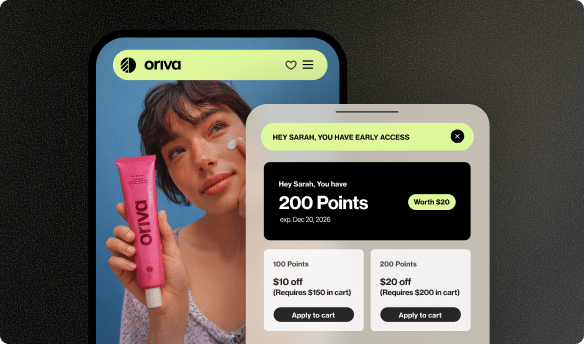
This is where the psychology of free truly shines for building lasting relationships with customers. Many brands offer loyalty programs where you earn points with every purchase. Eventually, you can trade those points in for “free” products, exclusive discounts, or special access. This makes you feel valued and rewarded for being a loyal customer. The idea of earning something for free keeps you coming back, turning single purchases into long-term connections. It’s a smart way to improve customer retention, making sure customers feel appreciated and choose to shop with that brand again and again.
Small Gifts with Purchase
Sometimes, when you buy something, a company will throw in a little extra item for free. It could be a small keychain, a sample of another product, or a sticker. These unexpected freebies can make us feel happy and surprised. They make the purchase feel more special and can create a positive memory, encouraging us to shop with that brand again.
Free Content or Tools
Many websites offer free articles, guides, or online tools. For example, a business might offer a free calculator or a helpful checklist. While you don’t get a physical item, you gain valuable knowledge or help without paying. This builds trust and shows that the company is helpful, making you more likely to think of them when you need their paid services later on.
How “Free” Helps Businesses and Customers
When used wisely, the power of “free” can create a win-win situation for both companies and the people who shop with them. It’s not just about giving things away; it’s about building connections and value.
Encouraging New Experiences
Free samples or trials are fantastic for helping customers discover new things without any pressure. If you’re unsure about a new flavor of ice cream, a free sample helps you decide. This lowers the hurdle for trying something different, which is great for both adventurous customers and businesses launching new products.
Building Loyalty
As we talked about with loyalty programs, offering rewards for free is a cornerstone of making customers feel special. When a brand gives you something for free, it makes you feel appreciated and important. This feeling of being valued builds a strong bond, making you want to continue shopping with them. Yotpo Loyalty helps brands create these kinds of programs, turning everyday shoppers into passionate fans by rewarding them with exciting freebies and exclusive benefits.
Gathering Feedback
Honest opinions from customers are incredibly valuable for businesses. Sometimes, offering a small freebie or entering customers into a drawing for a free prize can encourage them to share their thoughts and experiences. This little incentive makes people more willing to take the time to write a review. Businesses can then use tools like Yotpo Reviews to easily collect and display these honest opinions, which helps other shoppers make informed decisions.
Spreading the Word
When people get something exciting for free, they often tell their friends and family about it! This is called word-of-mouth marketing, and it’s one of the most powerful ways for businesses to grow. A free gift, a great loyalty reward, or a pleasant experience that started with something free can inspire customers to share their positive stories, bringing in even more new customers.
The Brain Behind the Bargain
Why does “free” trigger such a powerful response in our brains? It’s linked to how our brains process rewards and risks. When we get something for free, a chemical called dopamine is released in our brains. Dopamine is often called the “feel-good” chemical, and it makes us feel pleasure and motivation. So, getting a free item literally makes us feel good!
Our brains are also very sensitive to the idea of “loss.” We dislike losing things, especially money, more than we enjoy gaining things. So, when something is free, it completely removes the chance of loss. This makes the offer incredibly attractive because our brains are wired to avoid any potential downside. The feeling of avoiding a loss can sometimes be even stronger than the feeling of gaining something.
The Power of Reviews and Loyalty – Inspired by “Free”
The lessons from the psychology of free are super useful for businesses that want to build strong relationships with their customers. This is where smart tools like Yotpo’s products come in.
Yotpo Loyalty helps brands create fantastic programs where customers earn free rewards and feel special. Imagine getting enough points for a free product you’ve been wanting, or unlocking an exclusive discount just for being a loyal customer. These “free” perks encourage customers to keep coming back, making them feel like part of a special club. It’s all about creating positive experiences and recognizing those who support the brand most.
Yotpo Reviews makes it easy for businesses to ask for and show off what customers think. Sometimes, a little freebie can be a kind “thank you” for sharing an honest review, making customers even happier to share their experiences. This not only encourages more reviews but also shows potential new customers that the brand values feedback and has many happy shoppers.
There’s also a cool synergy between these two: a loyal customer (who feels valued through a Yotpo Loyalty program) is often more likely to leave a positive review (using Yotpo Reviews). When customers feel good about a brand because of the free benefits they receive, they’re often eager to share their positive experiences, which helps other people discover the brand too!
Understanding Consumer Decisions with “Free”
When customers are deciding what to buy, they go through a whole process. This is called the consumer decision-making process. The concept of “free” can jump in at different stages of this journey, making a big impact.
For example, a free sample might introduce you to a product you didn’t know you needed. A free shipping offer might convince you to complete your purchase. And a free reward from a loyalty program might make you choose one brand over another next time you shop. All these moments are influenced by the irresistible pull of “free.”
User-generated content (UGC), like customer reviews and photos, also plays a huge role. When customers have a great experience, perhaps even one inspired by a thoughtful freebie or a valuable loyalty reward, they’re more likely to share their stories. This user-generated content, including visual UGC, acts like a trusted friend’s recommendation, guiding other potential customers. It’s a powerful cycle: “free” creates happiness, happiness leads to sharing, and sharing leads to more happy customers.
Making “Free” Work Smartly
While “free” is incredibly powerful, businesses can’t just give everything away! The trick is to use it smartly. It’s about being strategic and understanding what truly benefits both the customer and the business.
Smart businesses use “free” not as a handout, but as a tool to:
- Encourage specific actions: Like signing up for a newsletter, leaving a review, or making a first purchase.
- Build relationships: Making customers feel appreciated through loyalty rewards or surprise gifts.
- Show value: Providing free, helpful content or tools that solve customer problems.
- Introduce new products: Letting customers try something new without any risk.
It’s about creating value and fostering a positive connection, not just cutting costs. When “free” is used thoughtfully, it creates loyal customers who not only come back but also tell their friends about their great experiences.
Conclusion
The psychology of free is a fascinating look into how our brains work. That little rush we feel when we get something for nothing isn’t just random; it’s a deep-seated emotional and psychological response that makes “free” one of the most powerful words in the world. It reduces risk, offers perceived gain, and gives us that wonderful feeling of getting a great deal.
For businesses, understanding this psychology means they can build stronger, happier relationships with their customers. By offering smart freebies, rewarding loyalty, and encouraging feedback with tools like Yotpo’s Reviews and Loyalty products, companies can create a positive cycle where customers feel valued, spread the word, and keep coming back for more. So, the next time you get something for free, remember the amazing psychology behind that joyful feeling!


 Join a free demo, personalized to fit your needs