










What is List Hygiene?
Imagine your friend invites you to a party, but the invitation goes to the wrong address, or maybe it gets lost in a pile of junk mail. You never even knew about the fun! Now, think about businesses sending important messages to their customers. If those messages go to the wrong place or get ignored, it’s a bit like that lost party invitation.
List hygiene is just a fancy way of saying “keeping your customer contact list clean and tidy.” It means making sure the email addresses and other contact information businesses have for you are correct, up-to-date, and actually reach someone who wants to hear from them. Just like you clean your room to keep things organized and easy to find, businesses need to clean their customer lists to make sure their messages get to the right people.
This process is super important for any business that talks to its customers online. It helps them communicate better, save money, and build stronger relationships, whether they’re asking for reviews or sharing news about a loyalty program.
Why Is Keeping Your List Clean So Important?
You might wonder, why bother with all this cleaning? Doesn’t a business just send messages and hope for the best? Not at all! Keeping a clean list has lots of great benefits, like making sure your messages don’t bounce back and actually get read by interested people.
Your Messages Get Delivered (No More Bounces!)
Think of it like sending a letter. If the address is wrong, the letter comes back to you marked “Return to Sender.” In the world of emails, this is called a “bounce.” When a business sends an email to an address that doesn’t exist or is full, the email “bounces” back. Too many bounces can make a business look like a spammer, and then their messages might end up in the junk folder for everyone, even people with good email addresses. A clean list means fewer bounces and more successful deliveries.
Your Customers Actually See Your Messages
Even if an email doesn’t bounce, it doesn’t mean it’s being read. Some people might sign up for emails but then stop opening them. If a business keeps sending messages to people who aren’t interested, it’s a waste of time and effort. A clean list helps businesses focus on people who are actually engaged and want to hear from them. This means when they ask for customer reviews or tell you about special offers, you’re more likely to see them.
Saves Money and Resources
Believe it or not, sending emails costs money for businesses! Email services often charge based on how many emails are sent or how many contacts are on a list. Sending messages to fake or inactive email addresses is like paying for an empty seat on a bus – it costs money but doesn’t help anyone. By cleaning their lists, businesses save money by only paying to reach real, interested customers. This can also help improve their customer acquisition cost (CAC) by making their outreach more efficient.
Keeps Your Brand Looking Good
Imagine getting lots of emails from a company you don’t remember signing up for, or seeing messages full of mistakes. It doesn’t make that company look very professional, does it? A clean list helps businesses send relevant, well-timed messages to the right people. This shows customers that the business is organized and respects their time, which builds trust and a good reputation. When a business looks good, customers are more likely to share positive user-generated content and recommend them through word-of-mouth marketing.
What Makes a Customer List “Dirty”?
Just like a room can get messy with toys, clothes, and snacks, a customer list can get “dirty” with different kinds of bad information. Let’s look at what usually makes a list untidy:
Invalid Email Addresses
These are like trying to deliver mail to a house that doesn’t exist! An invalid email address could be one with a typo (like “gamil.com” instead of “gmail.com”), a fake email address someone made up, or an email address that used to exist but has been closed down. Sending messages to these addresses just causes bounces and wastes effort.
Inactive Subscribers
Think about a book you bought but never read. It’s on your shelf, but you’re not really using it. Inactive subscribers are people who signed up for emails but haven’t opened or clicked on any messages for a very long time. They might have changed their mind, found what they needed elsewhere, or just forgotten about the business. While their email address might still be valid, they’re not engaging, which makes the list less effective.
Spam Traps
These are tricky! Spam traps are like secret “tripwires” set up by email providers to catch people who send out unwanted messages (spam). If a business accidentally sends an email to a spam trap address, it’s a big red flag that tells email providers the business might be sending spam. This can seriously hurt their ability to send emails to anyone in the future. Spam traps are often old, unused email addresses that get reactivated to catch spammers.
Duplicate Entries
Sometimes, the same person might end up on a list more than once. Maybe they signed up with two different email addresses, or they signed up again without realizing they were already on the list. Sending multiple identical messages to the same person can be annoying and makes the business look unorganized. It’s like getting two of the exact same birthday cards from the same person!
How to Keep Your List Squeaky Clean
Now that we know what makes a list dirty, let’s talk about how businesses keep them sparkling clean. It’s not a one-time job; it’s something they do regularly to make sure their communications are always effective.
Regular Cleaning of Your List
This is like a weekly tidy-up! Businesses should regularly go through their lists and remove any old or bad information. Here’s how they do it:
- Removing Bounced Emails: Every time an email bounces, businesses should note it down. If an email bounces a few times, it’s a good sign that the address is no longer working, and it should be removed from the list.
- Spotting Inactive Subscribers: Businesses look for people who haven’t opened or clicked on any emails for a long time (say, 6 months or a year). These are the inactive folks. Before removing them, they might try to send a special “we miss you!” message to see if they can get them interested again.
- Identifying Duplicate Entries: Special tools can help find and merge duplicate email addresses so that each person is only on the list once. This saves money and avoids annoying customers.
Using Good Practices When Collecting Emails
The best way to keep a list clean is to start with good habits from the very beginning. It’s like building a house with a strong foundation!
- Double Opt-in: This means that when you sign up for emails, the business sends you a confirmation email first. You have to click a link in that email to prove you really want to receive messages. This stops people from signing up others without permission and makes sure the email address is real.
- Clear Expectations: Businesses should always tell people exactly what kind of messages they’ll receive and how often. If you sign up for updates on shoes, you shouldn’t suddenly get emails about pet food. Being clear helps attract truly interested people.
- Proper Form Validation: When you type your email into a signup box, the website can check right away if it looks like a real email address (does it have an “@” sign and a dot?). This helps catch simple typos before they even get on the list.
Re-engagement Campaigns
Before saying goodbye to inactive subscribers, businesses often try to win them back. This is like trying to rekindle an old friendship! A re-engagement campaign is a special series of emails sent to inactive subscribers to see if they want to stay on the list. These messages might offer a special discount, ask what kind of content they prefer, or simply remind them of the brand’s value. If they still don’t respond, then it’s usually time to remove them from the active list.
These campaigns are a great way to respect customers and ensure businesses aren’t giving up on someone who might still be interested, especially if they are part of a loyalty program and might have missed out on rewards.
Segmenting Your Audience
Imagine trying to talk about baseball to someone who only cares about soccer. It wouldn’t be very interesting for them! Segmenting your audience means dividing your big list of customers into smaller groups based on what they like, what they’ve bought, or how they interact with the business. For example, some people might be interested in new product announcements, while others just want news about sales. Some might be loyalty program members, and others are new shoppers.
By sending different, more personalized messages to these different groups, businesses can make sure their emails are always interesting and relevant. This leads to higher engagement and a happier customer base. Yotpo’s Reviews and Loyalty products thrive on this kind of personalization, ensuring that requests for product reviews or special loyalty rewards reach the right person at the right time.
The Power of a Clean List for Your Business
A clean customer list isn’t just about avoiding problems; it’s about unlocking lots of good things for a business. It’s like having a super-powered telescope that lets you see your customers much clearer!
Better Data for Understanding Customers
When a list is clean, businesses have accurate information about who their real, active customers are. This means they can better understand what these customers like, what they buy, and how they behave. This understanding is key to making smart decisions about what products to offer, what marketing messages to send, and how to improve the overall customer experience. Good data helps businesses measure the success of their marketing campaigns effectively.
Improved Engagement for Reviews and Loyalty Programs
Imagine a business wants to collect customer reviews for a new product. If their list is messy, review requests might go to people who didn’t buy the product, or to invalid email addresses. With a clean list, those requests go directly to actual customers who have experience with the product, increasing the chances of getting valuable feedback. This helps businesses gather authentic product reviews that influence consumer decision-making.
The same goes for loyalty programs. If a business sends updates about points, rewards, or special member-only offers to a dirty list, many active members might miss out. A clean list ensures that all loyalty program members receive important communications, helping them stay engaged, redeem rewards, and feel valued. This is vital for improving customer retention and building strong, lasting relationships.
More Effective Use of User-Generated Content (UGC)
User-Generated Content (UGC) is anything customers create related to a brand, like reviews, photos, or videos. Businesses love UGC because it’s authentic and helps other potential customers trust the brand. A clean list means businesses can effectively ask their customers to share their experiences and create more UGC. When a business can reach its engaged customers directly, it can collect more fantastic photos and stories, making its visual UGC efforts much more successful.
Stronger Customer Relationships and Retention
Ultimately, a clean list helps businesses build better, longer-lasting relationships with their customers. When communications are relevant, timely, and delivered successfully, customers feel understood and appreciated. This leads to higher eCommerce retention rates and encourages customers to keep coming back. It’s about creating a positive customer experience that makes them want to be part of your business’s story for a long time.
A Clean List and Yotpo Reviews and Loyalty
Yotpo helps businesses connect with their customers in powerful ways, specifically through authentic customer reviews and exciting loyalty programs. Guess what makes these tools work even better? You guessed it: a clean customer list!
Making the Most of Yotpo Reviews
Yotpo Reviews is a fantastic product that helps businesses gather and show off real customer feedback. Imagine you’re about to buy a new toy, and you see that lots of kids just like you have given it five stars and written about how much fun it is. That makes you want it even more, right? That’s the power of reviews!
For businesses to get those great reviews, they need to ask their customers. If their customer list is messy, their requests for reviews might go to old, fake, or uninterested email addresses. This means fewer reviews get collected, and the business misses out on valuable feedback. With a clean list, businesses can use Yotpo Reviews to send review requests directly to actual customers who recently made a purchase. This means:
- More Reviews: More real customers get the request, leading to more shared experiences.
- Better Reviews: Requests go to people who just used the product, so their feedback is fresh and relevant.
- Improved Trust: When businesses collect more reviews, especially verified ones through tools like Yotpo, it helps other shoppers trust them. This can also help improve Google Seller Ratings.
By ensuring review requests reach the right, engaged audience, a clean list supercharges the effectiveness of Yotpo Reviews, helping businesses gather the authentic social proof they need to build confidence and drive sales.
Powering Up Your Loyalty Programs with Yotpo Loyalty
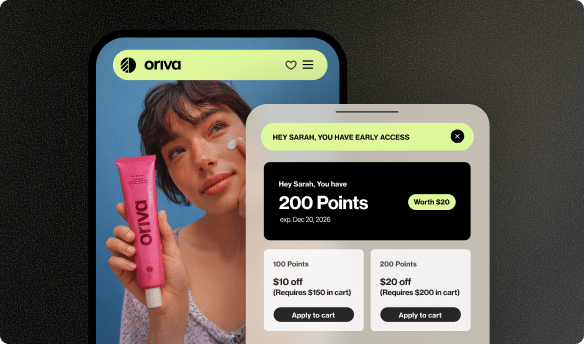
Yotpo Loyalty is another amazing product that helps businesses reward their best customers and keep them coming back. Think of it like a special club where you earn points for doing things like buying products or leaving reviews, and then you can use those points to get cool rewards. This is how businesses show appreciation and build lasting relationships.
For a loyalty program to really shine, members need to know about their points, new rewards, and exclusive offers. If the contact list is dirty, important updates about the loyalty program might not reach the members. They might miss out on earning bonus points or redeeming a special discount, which could make them feel less connected to the brand. With a clean list, businesses using Yotpo Loyalty can:
- Keep Members Informed: Ensure all loyalty program updates, point balances, and reward reminders reach the right people.
- Drive Engagement: Send personalized offers and messages that encourage members to participate more and use their rewards.
- Build Stronger Bonds: Show customers that the business cares about their loyalty by consistently providing them with valuable information and exclusive benefits.
A clean list means that Yotpo Loyalty can work its magic, keeping customers engaged, happy, and loyal for the long run. The synergy between collecting reviews and rewarding customers means that businesses can foster a vibrant community, all starting with accurate contact information.
Quick Look: Why List Hygiene Matters
Here’s a simple table to sum up the big benefits of keeping a clean customer list:
| What It Is | Why It Helps |
|---|---|
| Correct Addresses | Messages actually get to customers. |
| Active Subscribers | Messages are opened and read by interested people. |
| No Spam Traps | Stops messages from being marked as junk. |
| No Duplicates | Customers don’t get the same message twice. |
| Better Engagement | Customers interact more with offers, reviews, and loyalty programs. |
| Saves Money | Businesses don’t pay to send messages to fake addresses. |
| Good Reputation | Customers see the business as professional and caring. |
Conclusion
So, what is list hygiene? It’s simply the smart practice of keeping customer contact lists neat and accurate. It might sound like a small detail, but it makes a huge difference in how successful a business can be. Just like keeping your room tidy makes it easier to find your favorite toy, a clean customer list makes it easier for businesses to connect with their favorite people – their customers!
By regularly cleaning their lists, using good signup practices, and making sure their messages are always relevant, businesses can ensure their communications hit the mark every time. This means more effective eCommerce conversion rates, stronger relationships, and happier customers who are eager to share their experiences and participate in loyalty programs. It’s an ongoing process, but one that truly pays off for any business looking to grow and thrive in the online world.


 Join a free demo, personalized to fit your needs