


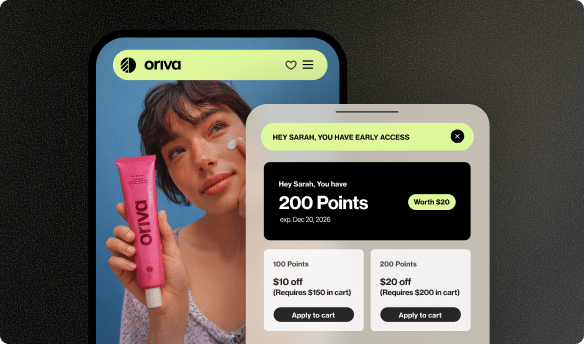









Have you ever collected shiny stickers at your favorite ice cream shop? Or maybe earned points in a video game to unlock cool new characters? Well, many online stores have a similar idea called a loyalty program. It’s like a special club where you earn points when you shop with them. These points can then be used to get discounts or even free stuff!
For the grown-ups who run these online stores, it’s super important to know how much these points cost them. They want to make sure they are giving you enough cool rewards to keep you happy and coming back, but not so many that it’s hard for their business to grow. This is where something called Cost Per Point comes in. It’s a clever way to figure out how much money a store spends for each point you earn.
Let’s dive in and understand this idea, even if it sounds a bit like grown-up math! It’s actually pretty simple when you break it down.
What Exactly is Cost Per Point?
Imagine your favorite online toy store. Every time you buy a toy, they give you 10 “star points.” When you save up 100 star points, you get a special 10% discount on your next toy! Pretty neat, right?
Now, think about the person who owns that toy store. They want to give you those star points because they want you to feel special and keep shopping with them. But giving you a discount or a free toy costs the store owner money. So, they need to know: how much does each one of those star points really cost them?
Cost Per Point (CPP) is simply a way for businesses to calculate how much money they spend, on average, for every single loyalty point they give to their customers. It helps them understand if their loyalty program is working well and if they are giving out rewards in a smart way. It’s a bit like knowing how much each ingredient costs when you’re baking a cake, so you know how much the whole cake costs to make.
For online stores, a great loyalty program helps keep customers happy and coming back. Tools like Yotpo Loyalty are designed to help stores create exciting loyalty programs where customers can earn points and enjoy rewards easily. Knowing the Cost Per Point helps these stores make their programs even better.
Why Do Stores Care About Cost Per Point?
You might be wondering, why is this “Cost Per Point” thing so important to stores? Well, it’s a big deal for a few good reasons:
- To Be Fair: Stores want to give their customers enough points and good rewards to make them feel appreciated. If the points are too hard to earn or the rewards aren’t exciting, customers might not join the club or might stop trying to earn points.
- To Manage Money: Running a business means being smart with money. If a store gives away too many valuable points without thinking about the cost, they might lose money. CPP helps them find a good balance so they can keep giving out rewards and still grow their business.
- To Make Good Choices: By knowing their CPP, stores can decide if they should change how many points you earn, or what kinds of rewards they offer. Maybe they discover that giving 5 points for every dollar works better than 10 points. Or maybe a free shipping reward is more popular than a small discount.
- To Encourage Shopping: A good loyalty program makes people want to shop more! If you know you’re getting closer to a cool reward, you might choose to buy from that store instead of another.
So, CPP isn’t just a number; it’s a tool that helps stores make smart decisions to keep their customers happy and their business healthy. It’s all about making sure the rewards are worth it for everyone involved!
How Do Stores Calculate Cost Per Point? (A Simple Look)
Calculating Cost Per Point might sound like a super complicated math problem, but it’s actually pretty straightforward when you look at it simply. Think of it like this:
A store spends some money on rewards for its loyalty program. And in return, it gives out a bunch of points to its customers. To find the Cost Per Point, the store just divides the total money spent on rewards by the total number of points it gave out.
Here’s a simple way to think about the formula:
Cost Per Point = Total Value of Rewards Given / Total Points Given
Let’s use our toy store example to make it even clearer.
Example Time!
Imagine the “Happy Toys” online store runs a loyalty program. Last month, they gave out a bunch of discounts and free toys to customers who used their points. Let’s say:
- The total value of all the discounts and free toys given away (the “rewards”) was $500.
- During that same month, customers earned a grand total of 10,000 loyalty points from buying toys and doing other fun things.
Now, let’s put those numbers into our simple formula:
Cost Per Point = $500 (Total Value of Rewards) / 10,000 (Total Points Given)
Cost Per Point = $0.05
What does $0.05 mean? It means that, for “Happy Toys,” every single point they give to their customers costs them about 5 cents. Knowing this helps them understand the value of their loyalty program. If they give a customer 100 points, they know it’s costing them $5 in future rewards.
This simple calculation helps stores keep track of their spending on rewards and make sure their loyalty program is fair and fun for everyone. It’s a key part of making sure customers feel valued and want to keep coming back. Businesses that use systems like Yotpo Loyalty can often track these numbers easily to help them make the best decisions for their customers.
Beyond Just Buying: How to Earn Points and Make Programs Exciting
Earning points in a loyalty program isn’t just about buying things. Smart online stores know that there are many ways to get customers involved and reward them. Think about it like a scavenger hunt where every positive action gives you a clue (or a point!) to your next big prize.
Here are some fun ways customers can earn points in a loyalty program:
- Making a Purchase: This is the most common way. For every dollar you spend, you might earn a certain number of points. It’s like getting a thank you gift every time you shop!
- Signing Up for the Program: Just for joining the special club, you might get a few bonus points. It’s a welcoming gift!
- Your Birthday: Many stores love to celebrate with you! On your birthday, you might get a special bundle of points as a present.
- Following on Social Media: If you follow the store on Instagram or Facebook, they might give you points for staying connected.
- Referring a Friend: If you tell a friend about the store and they make a purchase, both you and your friend might get bonus points! This is like word-of-mouth marketing in action, where happy customers help spread the word.
- Leaving Reviews: This is a really important one! When you share your opinion about a product you bought, it helps other shoppers decide if they want to buy it too. Many stores, using tools like Yotpo Reviews, will give you points for writing helpful reviews. It’s a win-win: you get points, and other shoppers get useful information!
Imagine earning points for telling other kids how much you loved a new video game or a cool pair of shoes! That’s what leaving a review is like for online stores. It’s your chance to share your experience and get rewarded for it.
When stores understand their Cost Per Point, they can decide which of these ways to earn points makes the most sense. They want to make sure the rewards are exciting enough to encourage all these great actions from their customers, helping them build a strong community of loyal shoppers.
Why Reviews and Loyalty Go Hand-in-Hand
We’ve talked a lot about loyalty programs and how points work, but what about reviews? Reviews are like notes from other shoppers saying what they thought about a product. Think of them as advice from friends who’ve tried something already. They are super helpful for everyone!
Online stores love when customers leave reviews because:
- They help other shoppers decide what to buy.
- They show that the store cares about what its customers think.
- They can help the store make their products even better!
Now, here’s where loyalty programs and reviews work together like best buddies. Many smart stores use their loyalty programs to encourage customers to leave reviews! They’ll give you points for sharing your thoughts about a product, especially if you include photos or videos. This is something Yotpo Reviews helps stores do brilliantly – gathering those helpful opinions and showing them off.
How Rewarding Reviews Helps Everyone
When a store rewards you with loyalty points for leaving a review, it creates a wonderful cycle:
- You buy something you like.
- You leave a helpful review (maybe even with a picture!).
- The store gives you loyalty points for your review.
- You save up those points and get a reward, like a discount on your next purchase.
- Your review helps other people feel confident buying from that store.
- More happy customers mean the store thrives, and can keep offering great products and rewards!
This teamwork between reviews and loyalty helps stores build a strong connection with their customers. It shows that they value not just your money, but also your opinion and your willingness to help other shoppers. This kind of positive experience helps stores improve customer retention, which just means keeping customers coming back again and again.
Even though leaving a review doesn’t directly change the “Cost Per Point” for loyalty rewards from shopping, it’s an action that a store *chooses* to reward with points. So, the cost of those points still gets figured into the overall CPP for the loyalty program. It’s all part of the big picture of how stores build great relationships with you!
Making Loyalty Programs Fun and Fair: What Stores Learn from CPP
So, we know that understanding Cost Per Point helps stores manage their money. But it also helps them make their loyalty programs super fun and fair for you, the customer!
Think about it: if a store has a very high CPP, it means they are spending a lot on each point. This might mean their rewards are super generous, but they might not be able to keep that up forever. If their CPP is very low, maybe the points are hard to earn, or the rewards aren’t very exciting. The store needs to find that “just right” spot, like Goldilocks trying porridge!
Here’s what stores often think about when they look at their Cost Per Point:
Adjusting How Many Points You Earn
If the CPP is too high, a store might decide to give a few less points for each dollar spent. For example, instead of 10 points per dollar, maybe they give 8 points. This doesn’t mean they don’t value you; it just means they are being smart so they can continue to offer rewards for a long time.
If the CPP is too low, they might think, “Hmm, maybe we can be more generous!” They might offer more points for shopping, or bonus points for special events. This makes the program more exciting for you.
Changing the Rewards
Sometimes, a store might realize that a certain reward costs them a lot but isn’t making customers super happy. With CPP knowledge, they can try different rewards. Maybe a free gift on your birthday costs less but feels more special than a small discount. Or perhaps offering free shipping for a certain number of points is a great reward that encourages more purchases.
A good loyalty program, like those created with Yotpo Loyalty, gives stores the flexibility to try different rewards and see what customers love most. This keeps things fresh and interesting for everyone.
Encouraging More Engagement
If a store sees that rewarding reviews or social media follows with points brings in lots of new customers or useful feedback, they might decide to put more focus on those types of rewards. This helps them get valuable user-generated content (like your reviews!) which is super helpful for their business.
It’s all about making the loyalty program a win-win situation. You get rewarded for being a great customer, and the store gets to build a loyal community that helps them grow. Understanding Cost Per Point is a secret tool that helps stores keep this balance just right!
The Big Picture: Why Loyal Customers Are Like Superheroes for Stores
Okay, we’ve explored what Cost Per Point is and why it matters to stores. But let’s take a step back and look at the bigger picture. Why do stores even bother with loyalty programs and points in the first place? Why are loyal customers so important?
Think about your favorite superhero. They save the day, right? Well, loyal customers are a bit like superheroes for online stores! Here’s why:
They Shop More Often
Just like you might go back to your favorite playground every day, loyal customers tend to shop at their favorite stores again and again. This helps the store grow because they have regular shoppers they can count on.
They Spend More Money
When you trust a store and love their products, you’re usually happy to spend a little more there. Loyal customers often buy bigger items or more things over time, because they know they’ll get good quality and good service.
They Tell Their Friends
This is a superpower! If you love a store, you’ll tell your friends, right? “Hey, check out this awesome toy store, they have the best robots and a cool points program!” This is called word-of-mouth marketing, and it’s one of the best ways for a store to find new customers. It’s like having hundreds of mini-marketing helpers!
They Give Great Feedback (Reviews!)
Loyal customers are often the ones who are happy to leave helpful reviews and share their thoughts. They want to see their favorite store succeed, so they give honest feedback that helps the store improve. As we discussed, tools like Yotpo Reviews make it easy for stores to collect and use this important feedback.
It Costs Less to Keep Them Happy
It’s usually easier and less expensive for a store to keep an existing customer happy than to find a brand new one. Think about it: they already know the store, they trust it, and they’re part of the loyalty club. The store doesn’t have to spend a lot of money trying to convince them to shop there for the first time.
So, when stores invest in a good loyalty program and understand their Cost Per Point, they are really investing in these “superhero” customers. They are building a community of people who love their brand, and that’s one of the best things a business can do. Companies use powerful tools like Yotpo Loyalty to create these amazing programs that turn regular shoppers into loyal fans.
Common Challenges (and How Stores Get Smart About Them)
Even though loyalty programs are fantastic, running them perfectly can sometimes be a bit tricky for stores. But don’t worry, smart businesses learn from these challenges and use tools to help them.
Here are a few things stores have to think about:
Figuring Out the Right Value for Points
This is a big one! How many points should a customer get for each dollar spent? If they give too few points, customers might not feel it’s worth joining the program. If they give too many, the Cost Per Point might get too high, making it tough for the business to make money. It’s a delicate balance!
Stores often experiment and look at their CPP to find the sweet spot. They want points to feel valuable to you without costing them too much.
Keeping Rewards Exciting
Imagine if your favorite game only offered one type of reward, like a plain old hat, no matter how many levels you passed. You’d get bored, right? Stores need to offer a variety of rewards that customers actually want. This could be discounts, free items, exclusive access to new products, or even special experiences.
Loyalty platforms like Yotpo Loyalty help stores offer different kinds of rewards and even let customers choose what they want most.
Making Sure Points Are Easy to Understand and Use
If a loyalty program is too complicated, customers might get confused or frustrated. Stores want to make it super easy for you to see how many points you have, what rewards you can get, and how to use them. Clarity is key!
Good online tools make sure the loyalty program is clear and simple for everyone to enjoy.
Encouraging Participation (Like Leaving Reviews!)
Stores want customers to do more than just buy things. They want them to engage – like leaving reviews, sharing on social media, or referring friends. Making it easy and rewarding to do these things is crucial. For instance, asking customers for reviews in a friendly way and then rewarding them with points is a smart strategy.
By understanding their Cost Per Point and using smart tools, businesses can overcome these challenges and build loyalty programs that are not only fun for customers but also good for their growth. It’s all about thoughtful planning and using the right resources to make every customer feel like a VIP.
Conclusion: The Power of Points and Smart Business
So, there you have it! We’ve taken a journey into the world of “Cost Per Point” and discovered that it’s not just a grown-up math problem. It’s a really important idea that helps online stores make their loyalty programs fair, fun, and successful for everyone.
We learned that:
- Cost Per Point helps stores figure out how much money they spend for each loyalty point they give to customers.
- It helps them manage their money wisely, so they can keep offering great rewards.
- Stores can use CPP to adjust how many points you earn or what kinds of exciting rewards they offer.
- Loyalty programs are about more than just shopping; they reward you for being a great part of the store’s community, like leaving helpful reviews.
- Loyal customers are super important because they shop more, spend more, tell their friends, and give valuable feedback.
Next time you see an online store with a loyalty program, you’ll know a little secret about what’s going on behind the scenes! You’ll know that the store owner is thinking carefully about those points and how to make them worthwhile for you.
Companies like Yotpo help online stores create awesome loyalty programs and gather important reviews. They provide the tools that allow businesses to understand things like Cost Per Point and build strong, lasting relationships with customers like you. It’s all about making your shopping experience more rewarding and making online stores even better places to visit!


 Join a free demo, personalized to fit your needs