











What is an “Earning Rule” Test?
Imagine you have a favorite toy store. What if that store gave you special points every time you bought a toy, or even just told a friend about them? And what if those points could get you a discount on your next toy? That sounds pretty cool, right?
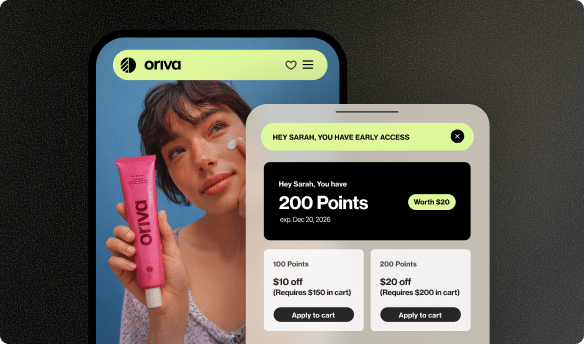
Well, many businesses, especially online stores, want to make their customers feel special and encourage them to keep coming back. They do this through something called a loyalty program. A big part of these programs involves “earning rules.” An earning rule is simply a set of instructions that tells customers how they can get points or rewards.
Now, what’s an “earning rule test”? It’s like a scientific experiment for businesses! Companies try out different earning rules to see which ones make their customers the happiest and encourage them to shop more often. They want to find the perfect mix of rewards that makes everyone excited to be part of their special club. It’s all about figuring out what makes you, the customer, want to keep engaging with them.
Why Do Companies Care So Much About Earning Rules?
Think about your favorite games. You get points for achieving certain things, like winning a level or finding a hidden treasure. Those points make you want to play more, right? Businesses use a similar idea. They want to give you points for doing things that help their business grow, and they want to make sure those points feel like a real treat.
One of the biggest reasons companies care about earning rules is to build customer loyalty. This means they want you to choose their store again and again, rather than going to a different one. When you feel valued and get rewarded, you’re more likely to stick around. Loyal customers are like best friends to a business; they help it grow by continuing to shop and by telling others how great the store is.
Finding the right earning rules helps businesses keep their customers happy. Happy customers are more likely to talk about their positive experiences, which is like free advertising! A smart loyalty program can turn a one-time shopper into a lifelong fan. It’s truly a win-win for everyone.
What Kinds of Earning Rules Can Businesses Test?
There are all sorts of ways businesses can let you earn points. They’re constantly thinking of creative ideas to reward you! Here are some common types of earning rules they might test:
1. Earning Points for Buying Stuff
This is probably the most common earning rule you’ll see. It’s super straightforward: the more you spend, the more points you get. For example, a rule might be, “For every dollar you spend, you get 1 point.”
- Different Points for Different Products: Sometimes, a store might give you extra points for buying certain items they want to promote.
- First-Time Buyer Bonuses: To welcome new customers, a store might offer a big chunk of points just for making their very first purchase.
- Spending Tiers: Some programs might give you more points per dollar if you spend a lot over time. It’s like reaching a higher level in a game!
Businesses test different point values (Is 1 point per dollar better, or 2 points?) to see what encourages more shopping. They want to find the perfect balance so customers feel rewarded without the company giving away too much.
2. Earning Points for Writing Reviews
Have you ever bought something online and wondered if it was any good? That’s where customer reviews come in! Reviews are super helpful for other shoppers who are trying to decide what to buy. Businesses know this, which is why they often reward you for sharing your thoughts.
- Basic Review Points: A common rule is “Write a review, get X points.”
- Photo or Video Reviews: Sometimes, you’ll get extra points for including a picture or a video of the product. This is because visual reviews are even more helpful for other customers. You can learn more about how businesses use these at Visual UGC.
- Detailed Reviews: If you write a really helpful, detailed review, a business might reward you with more points.
Platforms like Yotpo Reviews make it easy for businesses to collect and display these valuable customer opinions. By testing different reward amounts for reviews, companies learn what encourages their customers to share their experiences most effectively. It’s a great way to build trust with new shoppers!
3. Earning Points for Sharing on Social Media
When you share something you love on social media, you’re telling all your friends about it. This is like free advertising for a business, and they love it! So, many companies offer points for social shares.
- Sharing a Product: “Share this product on Instagram or Facebook, get X points.”
- Following Their Pages: Sometimes, just following a company’s social media page can earn you points.
Businesses test these rules to see how much buzz they can create online. It helps them reach new people who might become customers themselves.
4. Earning Points for Referring Friends
Imagine if your favorite store gave you points for bringing in a new friend who also loves their products! That’s what a referral program does. It’s a powerful way for businesses to grow their customer base because people trust recommendations from their friends and family more than anything else.
- Friend Buys, You Get Points: The most common rule is that when a friend you referred makes their first purchase, you both get a reward.
Businesses might test how many points to give for a referral or if they should also give the new friend a discount. Understanding what a referral code is can help you see how these programs work smoothly. These tests are key to finding the best way to encourage happy customers to spread the word about the brand.
5. Earning Points for Special Occasions
Everyone loves to feel special, right? Businesses know this and often use earning rules to celebrate with you.
- Birthday Points: “Happy Birthday! Here are X points to celebrate!”
- Anniversary Points: Some companies give you points on the anniversary of when you first joined their loyalty program or made your first purchase.
These rules might not directly lead to a purchase right away, but they build a strong, personal connection with customers, making them feel remembered and valued.
How Do Companies “Test” Earning Rules?
Testing earning rules isn’t just guessing; it’s a careful process to see what truly works best. Here’s a simplified look at how businesses do it:
Step 1: Guess and Plan (The Hypothesis)
Before they do anything, businesses make a smart guess, called a “hypothesis.” It’s like saying, “We think that if we give customers 2 points for every $1 they spend instead of 1 point, they will buy more often.” Or, “We believe offering 100 points for a review with a photo will lead to more visual reviews than just 50 points for any review.” They decide exactly what they want to achieve, whether it’s more sales, more reviews, or more shares.
Step 2: Try it Out (The Experiment)
Once they have a plan, they put the new earning rule into action for a specific period. Sometimes, they’ll even try different rules with different groups of customers to see which group responds better. For example, one group might get 1 point per dollar, and another group gets 2 points per dollar. This helps them compare results fairly.
Step 3: Watch and Learn (Analyze Results)
This is where the numbers come in! Businesses carefully watch what happens after they launch a new rule. Did customers earn more points? Did they buy more products? Did more people write reviews, especially those with photos? They look at data like:
- How many purchases were made?
- What was the average amount customers spent?
- How many reviews were submitted?
- How many customers returned to shop again? (This is called ecommerce retention)
Tools like Yotpo’s loyalty features help businesses track all these important details, making it easier to understand the impact of each rule. You can learn more about improving how many customers keep coming back at customer retention strategies.
Step 4: Decide What’s Best (Optimize)
After looking at all the information, the business decides which earning rule worked the best to achieve their goals. They might choose to keep that rule, or they might learn something new and decide to try another test to make things even better. This process of trying, learning, and improving is called “optimization.” It helps them create the best possible experience for their customers and grow their business at the same time.
What Makes a Good Earning Rule Test?
For an earning rule test to be truly helpful, it needs a few important things:
1. Clear Goals
Just like when you play a game, you need to know what you’re trying to achieve. Is the business trying to get more people to buy? Or do they want more customers to share photos of their products? Having clear goals helps them know if their test was successful. These goals often relate to things like their overall ecommerce marketing funnel.
2. Fair and Understandable Rules
Earning rules should be easy for customers to understand. If the rules are too complicated, people might get confused and not participate. The rewards should also feel achievable, so customers don’t get discouraged. Yotpo Loyalty helps businesses set up rules that are clear and engaging.
3. Good Rewards
The points or rewards need to feel valuable to the customer. If you only get a tiny amount of points that don’t add up to anything useful, you might not bother participating. Businesses have to make sure the rewards are exciting enough to encourage action. Discover what makes an effective loyalty program at best loyalty programs.
4. Measuring Success
A good test always includes a way to measure if it worked. This means looking at numbers and data. Did more people buy? Did the conversion rate go up (meaning more visitors became buyers)? Did customers keep coming back? Knowing how to measure success is crucial for making smart decisions.
The Big Picture: Why Loyalty Matters (and How Reviews Fit In)
Think of loyalty programs as a way for businesses to build strong friendships with their customers. When a company uses a tool like Yotpo Loyalty, they’re not just giving out points; they’re creating an experience that makes customers feel appreciated and understood. This sense of belonging is what keeps people coming back again and again.
And where do reviews fit into this? They’re like a megaphone for happy customers! When someone earns points for writing a glowing review through Yotpo Reviews, they’re not just getting a reward; they’re also helping other people discover great products. These reviews build trust, and trust is the foundation of loyalty. New shoppers see what existing customers are saying and feel more confident making a purchase. This is a powerful form of word-of-mouth marketing.
So, you see, loyalty and reviews work hand-in-hand. Loyalty programs encourage customers to share their experiences, and those shared experiences (reviews) then attract new customers and strengthen the loyalty of existing ones. Yotpo helps businesses connect these two powerful ideas, creating a complete and happy journey for every customer.
Examples of Earning Rule Tests in Action
Let’s look at a couple of pretend examples to see how these tests play out in the real world:
Example 1: Boosting Sales on Slower Days
Imagine a shoe store, “Zoom Kicks.” They notice that Tuesday and Wednesday are their slowest sales days. They decide to run an earning rule test.
- Test Idea: For one month, they offer “2 points for every $1 spent on Tuesdays and Wednesdays,” while other days remain “1 point per $1.”
- Results: After a month, they check their sales numbers. They discover that sales on Tuesdays and Wednesdays jumped by 20%! Customers loved getting extra points for shopping on those specific days.
- Outcome: Zoom Kicks decides to keep the “double points on slow days” rule because it successfully encouraged customers to shop when the store needed it most.
This is the kind of insight businesses gain from careful testing, often supported by platforms like Yotpo that help them track and analyze these changes.
Example 2: Getting More Photo Reviews
A clothing brand, “Style Threads,” wants more customers to share photos of themselves wearing the clothes. They know photo reviews are super helpful for other shoppers to see how items truly look.
- Test Idea: For a few weeks, they offer “50 points for any text review” and “100 points for a review that includes a photo.”
- Results: They find that the number of reviews with photos increased by 40%! Customers were happy to take an extra step for double the points.
- Outcome: Style Threads decided to make the “100 points for photo reviews” a permanent rule. This helped them build a richer collection of ecommerce product reviews that inspires new buyers.
These examples show how businesses use tests to fine-tune their loyalty and review programs, making them more effective for both the company and the customer. You can find real-life stories like these in Yotpo’s Case Studies or Success Stories.
Conclusion
So, what is an “earning rule” test? It’s a clever way for businesses to figure out the best ways to reward their customers. By trying out different rules – like giving more points for spending, writing reviews, or referring friends – companies learn what truly makes you happy and encourages you to stick around.
This whole process helps businesses grow by creating a loyal community of customers. When you feel valued, you’re more likely to keep shopping with a brand and even tell your friends about it. Tools from Yotpo, like Yotpo Loyalty and Yotpo Reviews, are built to help businesses do exactly this: create exciting loyalty programs and collect powerful customer reviews. It’s all about making your experience better and building a successful, happy connection between you and your favorite stores!


 Join a free demo, personalized to fit your needs