











What is a Wholesale Model?
Ever wonder how your favorite toys, clothes, or snacks get to the store shelves? It’s not always as simple as the company that makes them selling them directly to your local shop. Often, there’s a special business system at play called the wholesale model. Think of it like a giant game of “pass the parcel” for products, but with different kinds of businesses involved!
At its heart, the wholesale model is about buying things in bulk – that means buying a lot of something all at once – and then selling those things in slightly smaller bulk amounts to other businesses, not to the person who will actually use the item. It’s a super important way products move from the factories where they’re made to the stores where you can buy them. Without it, many of the products we see every day might not even reach us!
Understanding the Wholesale Model: The Big Picture
So, what exactly does “wholesale” mean? Imagine a company that makes cool new sneakers. They can’t possibly sell every single pair directly to every person in the world, right? That would be a huge job! Instead, they often sell thousands of pairs at once to another business called a wholesaler or distributor. This wholesaler then sells smaller batches of those sneakers to lots of different shoe stores, which we call retailers. Finally, the retailer sells just one pair (or maybe two!) to you, the customer.
This whole system is called the wholesale model because the “wholesale” part is that big sale from the sneaker maker to the wholesaler. It’s like buying a whole giant box of candy bars to then sell smaller packs of them to your friends’ lemonade stands. You’re not eating all the candy bars yourself; you’re just helping them get to more places.
This model helps products travel far and wide. It’s a tried and true way for businesses to get their stuff out there without having to do all the heavy lifting of selling to every single customer themselves. It’s all about teamwork in the business world!
How Does This “Pass the Parcel” Game Work?
Let’s break down the journey of a product using the wholesale model. It usually involves a few main steps and different types of businesses:
- The Manufacturer (or Producer): This is the company that actually creates the product. They design it, build it, and often make a lot of it in big factories. They want to sell their products quickly and in large quantities.
- The Wholesaler (or Distributor): This business buys a massive amount of product directly from the manufacturer. They act like a storage hub, keeping huge warehouses full of different items. Their job is to then sell these products to other businesses, not to individual shoppers.
- The Retailer: These are the stores you visit every day – like your local grocery store, toy shop, or clothing boutique. They buy products in smaller quantities from the wholesaler and then sell them directly to you, the end customer.
- The Customer: That’s you! You buy products from the retailer to use them yourself.
This chain might seem like a lot of steps, but each step serves a very important purpose. It ensures that products can be made efficiently, stored properly, and then delivered to all the different places where people want to buy them.
The Main Players in the Wholesale Game
Just like any team sport, the wholesale model has its key players. Understanding who does what helps us see why this system is so effective.
Manufacturers: The Creators
Manufacturers are the ones who dream up and build the products. Whether it’s a new smartphone, a delicious cookie, or a sturdy pair of jeans, they bring it to life. Their main focus is usually on making the best possible product and producing enough of it. They often prefer to sell their goods in very large batches because it’s simpler for them to manage fewer, bigger sales rather than thousands of tiny ones. This lets them concentrate on what they do best: creating amazing things!
Wholesalers/Distributors: The Middlemen Maestros
These businesses are the unsung heroes of the wholesale world. They buy in huge quantities from manufacturers, sometimes buying products from many different manufacturers. They then store these goods and sell them to retailers. Think of them as the “super-connectors” who link the creators with the sellers. Wholesalers often handle things like shipping, warehousing, and even helping retailers choose what products might sell well in their stores. They make sure products get from point A to point B efficiently.
Retailers: Your Friendly Neighborhood Shops
Retailers are the stores we all know and love. They are the final stop before a product reaches your hands. They buy products from wholesalers in quantities that make sense for their store size and their customers’ needs. Their job is to display the products attractively, help customers find what they’re looking for, and make the buying experience a good one. They are the direct link between the product and the person who uses it.
Customers: The End Users
And finally, there’s us! We’re the customers who buy the products from retailers to use, wear, eat, or play with. Our choices and what we like ultimately drive the whole system. When we buy a product, it signals to the retailer, wholesaler, and manufacturer that they’re doing a good job!
Awesome Benefits of the Wholesale Model for Businesses
You might be thinking, “Why all these extra steps?” Well, the wholesale model comes with a lot of really good advantages for everyone involved. It’s not just a way things are done; it’s a smart way!
- Wider Reach for Manufacturers: Imagine you make fantastic handmade soaps. If you only sold them yourself, you might only reach people in your town. But if you sell to a wholesaler, that wholesaler might sell your soaps to 50 different stores across the country! This means many more people can discover and buy your soaps. It’s a super way to grow your business without needing to open hundreds of your own stores.
- Faster Sales for Manufacturers: Selling a truckload of soap to one wholesaler is much quicker than selling one bar of soap to thousands of individual customers. This speed helps manufacturers get their products moving and keeps their production lines busy.
- Less Marketing Hustle for Manufacturers: While manufacturers still market their brand, wholesalers and retailers also do a lot of the work to promote and sell the products to their own customers. This takes some of the pressure off the manufacturer to do all the advertising themselves.
- Cost Savings for Retailers: When retailers buy products from wholesalers, they can often get a better price than if they bought just a few items directly from the manufacturer. This is because wholesalers offer bulk discounts – the more you buy, the less each item costs. This helps retailers offer competitive prices to us, the customers!
- Focus on Core Business: Manufacturers can focus on making great products, knowing that wholesalers will handle the big distribution tasks. Retailers can focus on creating a wonderful shopping experience, knowing they can get a wide variety of products from wholesalers without having to deal with hundreds of different manufacturers. Everyone gets to do what they’re best at!
It’s like a well-oiled machine where each part plays a crucial role to keep everything running smoothly.
Some Tricky Parts of the Wholesale Model
While the wholesale model has many upsides, it’s not without its challenges. Every business strategy has its quirks, right?
- Lower Margins for Manufacturers: When a manufacturer sells to a wholesaler, they usually have to sell at a lower price per item than if they sold directly to a customer. This is because the wholesaler and the retailer both need to make a profit. So, while manufacturers sell more, they earn a little less on each item.
- Less Control Over Presentation: A manufacturer might have a very specific idea of how their product should be displayed in a store. However, once they sell to a wholesaler, and the wholesaler sells to a retailer, the manufacturer has less say in how the product looks on the shelf or how it’s marketed to the end customer.
- Inventory Management: Keeping track of what’s in stock can be a big job for wholesalers, who manage vast warehouses. They need to make sure they have enough products for retailers but not so much that it sits around taking up space and money. This juggling act can be complex!
- Building Strong Relationships: Finding the right wholesalers and retailers who truly believe in a product and will represent it well can be tough. Businesses need to build trust and good working relationships, which takes time and effort.
These challenges mean businesses need to be smart and strategic when using the wholesale model. But with careful planning, they can definitely overcome these hurdles!
Wholesale vs. Direct-to-Consumer (DTC): What’s the Difference?
Sometimes, companies choose to sell their products in a different way called Direct-to-Consumer (DTC). This means they sell their products straight to you, the customer, often through their own website or their own special stores. There’s no wholesaler or other retailer in between.
Think about a company that sells unique, custom-designed t-shirts only through its own online shop. That’s a DTC business. They make the shirts, and they sell them directly to you. In the wholesale model, that t-shirt company would sell to a big store like “Cool Clothes R Us,” and “Cool Clothes R Us” would then sell to you.
| Feature | Wholesale Model | Direct-to-Consumer (DTC) Model |
|---|---|---|
| Who Sells to Customer? | Retailers (who buy from wholesalers) | The brand/manufacturer directly |
| Main Goal for Manufacturer | Wider distribution, big bulk sales | Direct customer connection, higher profit margin per item |
| Reach | Very wide, through many stores | Often focused online, but with direct control |
| Control Over Brand | Less control once product leaves their hands | Full control over customer experience and branding |
Many businesses today actually use a mix of both! They might sell some products through wholesalers and retailers to reach a broad audience, and also sell some special items directly to customers through their own website. This way, they get the best of both worlds!
The Wholesale Model in the Digital Age
The world changes, and so does business! In today’s digital age, the wholesale model has gotten some cool upgrades thanks to technology. It’s not just about phone calls and paper orders anymore.
Now, many businesses use online marketplaces where wholesalers and retailers can connect and place orders electronically. This makes the process much faster and easier. Think of it like a special online shopping site, but only for businesses buying in bulk!
Technology also helps with all those tricky parts we talked about. Software can help wholesalers manage their huge inventories, track orders, and even predict what products will be popular. This makes the whole supply chain much smoother and more efficient. It’s truly amazing how computers can help manage so many products moving around the world!
Building Strong Wholesale Relationships with Customer Trust
In the wholesale world, just like in your friendships, trust is super important. Wholesalers need to trust that manufacturers will provide good products on time, and retailers need to trust that wholesalers will deliver what they promised. But beyond these business-to-business connections, there’s another crucial layer of trust: the trust of the end customer.
When you, as a customer, trust a brand or a product, you’re more likely to buy it. This trust makes products move off the shelves faster, which makes retailers happy, which makes wholesalers happy, and ultimately makes manufacturers happy! So, how can businesses build this kind of trust, even when there are so many steps in the journey?
This is where tools designed to help brands connect with their customers truly shine. For businesses, getting feedback and building strong customer relationships is key to moving products through the wholesale chain effectively.
Making Trust Shine with Yotpo Reviews
Imagine a retailer trying to decide which new product to stock from a wholesaler. If one product has tons of great feedback from other people who’ve used it, and another has none, which do you think they’ll pick? Probably the one with all the positive buzz!
This is where Yotpo Reviews comes in. Businesses, especially retailers, can use Yotpo to collect and show off what real customers think about their products. When you see star ratings and comments from people just like you, it helps you feel more confident about buying something. For a retailer, having products with lots of positive reviews means more customers will likely buy them. This makes the product attractive to stock, and strengthens the relationship with the wholesaler.
Collecting these valuable thoughts from customers doesn’t have to be hard. Businesses can learn how to ask customers for reviews in smart ways, making it easy for people to share their experiences. These ecommerce product reviews act like friendly recommendations from real people, helping everyone in the wholesale chain feel confident about the product’s quality and appeal.
Building Lasting Connections with Yotpo Loyalty
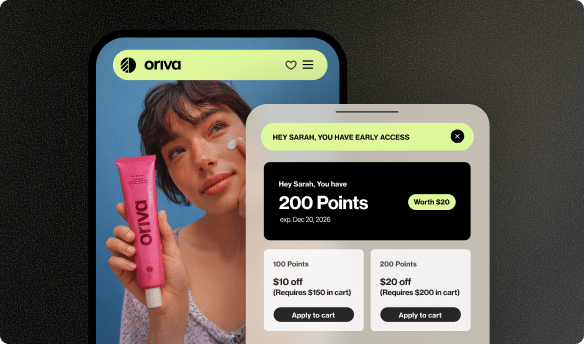
Once a customer buys a product and loves it, how do you get them to come back for more? That’s where loyalty comes in! Yotpo Loyalty helps businesses create special programs that reward customers for continuing to shop with them. Think about getting points for every purchase, or special discounts just for being a loyal customer.
When a retailer uses a powerful tool like Yotpo Loyalty, they build a really strong connection with their customers. These loyal customers keep coming back, creating steady demand for the products they buy through wholesale. This consistent demand is fantastic news for the wholesalers and manufacturers because it means their products are consistently selling well!
Strong loyalty programs not only keep existing customers happy but also encourage new ones to join in. A retailer with a buzzing loyalty program is a dream partner for any wholesaler, as it shows they know how to keep customers engaged and products moving. You can see how Yotpo Loyalty supports growth by creating these lasting customer bonds.
The Synergy of Reviews and Loyalty
While Yotpo Reviews and Yotpo Loyalty are powerful tools on their own, they work wonderfully together. Imagine a customer sees great reviews for a product, decides to buy it, and then joins the store’s loyalty program. Now they’re happy with their purchase, and they’re rewarded for future shopping! This combination helps retailers create an amazing customer experience that boosts sales and makes their relationship with wholesalers even stronger.
It’s all about making sure that the final customer has such a great experience that they keep coming back. When customers are happy and loyal, it makes the entire wholesale journey, from the factory to your hands, much more successful for every business involved.
Making the Wholesale Model Work for Your Business
If a business is thinking about using the wholesale model, there are some important things to consider to make it a success. It’s like planning a great adventure – you need to think ahead!
- Choose the Right Products: Not every product is a good fit for wholesale. Products that are popular, can be produced in large quantities, and have a good profit margin often do best.
- Find the Right Partners: Just like picking a good teammate, finding trustworthy and effective wholesalers and retailers is crucial. Businesses should look for partners who share their values and are good at what they do.
- Set Fair Prices: Pricing products correctly is a balancing act. The manufacturer needs to make a profit, the wholesaler needs their cut, and the retailer needs to earn money while still offering a good price to the customer. It’s about finding that sweet spot!
- Communicate Clearly: Open and honest communication between manufacturers, wholesalers, and retailers helps prevent misunderstandings and keeps everything running smoothly.
- Use Data to Make Smart Decisions: Businesses can look at sales numbers and customer feedback to understand what’s working and what’s not. This helps them make better choices about what to produce, what to stock, and how to improve. Tools that help gather customer feedback, like Yotpo Reviews, become invaluable here, guiding decisions with real customer insights.
By keeping these tips in mind, businesses can make the wholesale model a powerful way to grow and get their amazing products to more people than ever before.
Wrapping It Up: The Essential Role of Wholesale
So, there you have it! The wholesale model might seem like a complex network of businesses, but it’s actually a clever and efficient way to get products from where they’re made to where they’re sold. From the big factories churning out thousands of items to the friendly shops in your neighborhood, each step in the wholesale journey plays a vital part.
This model allows manufacturers to focus on creating, wholesalers to handle big-scale distribution, and retailers to offer a wide variety of goods to us, the customers. While there are challenges, the benefits of wider reach, faster sales, and cost savings make it a cornerstone of how many goods move through our economy.
And in today’s world, smart businesses are using tools like Yotpo Reviews and Yotpo Loyalty to make these connections even stronger. By building trust and fostering loyalty with the very people who buy and use the products, they ensure that the entire wholesale chain remains robust and ready to deliver the items we all enjoy every day. It’s a fantastic system that keeps the shelves stocked and customers happy!


 Join a free demo, personalized to fit your needs