










What is a Value Ladder?
Imagine you want to buy a cool toy from a store. Maybe you start by looking at a free picture of it online, or playing a free mini-game that features the toy. If you really like what you see, maybe you buy a small, inexpensive sticker of the toy. If that sticker makes you happy, you might then save up for a bigger action figure. And if you become a super fan, collecting all the action figures, you might even want a special, limited-edition version that costs a bit more but is super unique!
That journey, from just seeing a picture to buying the super-special toy, is a lot like what businesses call a “value ladder.” It’s a clever plan that helps companies connect with you, build your trust, and then offer you more helpful and exciting things as you go along. Think of it like a staircase where each step up gives you something more valuable or helpful than the last, and you choose how far you want to climb.
Every business wants to help its customers, and a value ladder is like a map that shows them how to do just that. It’s about giving you a little taste first, then a bit more, and then a lot more, always making sure you’re getting great value at every step. This way, you feel good about what you’re buying, and the business gets to keep you as a happy customer for a long time.
Why Businesses Love Value Ladders
So, why do businesses put so much thought into building these “ladders”? It’s because they help them in many important ways. It’s not just about making sales; it’s about making happy customers who stick around.
Building Trust Step by Step
Think about meeting someone new. You probably don’t tell them all your secrets right away, do you? You start with a friendly hello, then maybe talk about your favorite games, and over time, if you trust them, you share more. Businesses work similarly.
A value ladder lets a business introduce itself with something small and easy. Maybe it’s a helpful guide, a free sample, or a low-cost item. When you try it and like it, you start to trust that business. This trust is super important. When customers trust a business, they are much more likely to try something else from them. It’s like testing the first rung of a ladder to make sure it’s strong before you put your full weight on it.
Building this trust also helps customers feel confident about their choices. No one wants to buy something big if they’re not sure it’s going to be good. Starting small and having good experiences helps customers feel secure. You can learn more about how customers make decisions by checking out resources like this article on the consumer decision-making process.
Helping Customers More and More
Every business wants to solve problems or make life better for its customers. A value ladder helps them do this in a smart way. Imagine you have a tiny scratch on your bike. You might just need a small touch-up paint kit. But if your bike tire is completely flat, you’ll need a new inner tube and a pump. And if your bike is broken in half, you’ll need a whole new bike!
The value ladder allows a business to offer the right solution for different levels of need. They don’t try to sell you a whole new bike if you just need touch-up paint. Instead, they offer a range of solutions that fit where you are right now. As your needs grow or change, the business has higher-value solutions ready for you on the next rung of the ladder. This ensures that customers get exactly what they need, when they need it, which is a great way to improve the ecommerce customer experience.
Making More Sales Over Time
For a business, a value ladder isn’t just about single sales; it’s about building long-lasting relationships with customers. When a customer starts with a small purchase and has a great experience, they’re much more likely to come back and buy something else. This is called customer retention.
Each time a customer moves up a rung on the ladder, they are buying a higher-value item, which means they are spending more money with the business over time. This makes each customer much more valuable to the business. It’s like having a garden where you plant a small seed, and over time, it grows into a big, beautiful plant that keeps giving you flowers or fruit. Businesses really love to see their customers “grow” with them like this!
This strategy also helps businesses get more customers through things like word-of-mouth marketing and referrals, because happy customers often tell their friends about good businesses. It’s a win-win for everyone.
The Rungs of the Ladder: How it Works
So, what do these “rungs” on the value ladder actually look like? Most value ladders have a few common steps, starting with something easy to try and moving up to more complete and personal help.
The Free or Low-Cost Offer (The First Step)
This is often the very first interaction a customer has with a business. It’s designed to be super easy and low-risk. Sometimes it’s totally free! Think about:
- A free guide or ebook that helps you learn something.
- A free trial of an app or service.
- A small, inexpensive item that solves a tiny problem.
- An interesting blog post or video that teaches you something useful.
The goal here isn’t to make a lot of money right away. Instead, it’s to grab your attention, show you that the business knows its stuff, and give you a taste of the value they offer. It’s like a friendly handshake, inviting you to learn more.
The First Purchase (A Small Climb)
Once you’ve tried the free or low-cost offer and liked it, the business might suggest a slightly bigger step. This is usually a lower-priced item or service that still offers great value. It helps you solve a small problem or get a bit more benefit.
Examples might include:
- A detailed course or workshop for a small fee.
- A starter kit for a hobby.
- A membership to a basic service.
- A small piece of clothing or accessory from a brand you just discovered.
This step is important because it turns someone who was just looking into someone who has actually bought something. This is a big deal for building trust and a relationship. They’ve invested a little, and hopefully, they’ve seen a good return on that investment.
More Valuable Offers (Mid-Ladder Ascent)
If you’ve enjoyed your first purchase, the business will then offer something more substantial. These products or services are typically more expensive than the first purchase, but they also provide much more value, solve bigger problems, or offer more comprehensive solutions.
For example:
- A full line of products related to your starter kit.
- A premium version of a service with more features.
- A comprehensive training program.
- A larger, more significant item like a piece of furniture or an electronic device.
At this stage, you’re already familiar with the brand and trust them. You’re willing to invest more because you know you’ll get good results and high quality. The business is helping you move from a basic solution to a more advanced one.
Top-Tier Products or Services (Reaching the Top)
At the very top of the value ladder are the most expensive, most comprehensive, and often most personalized offers. These are for the customers who absolutely love the business and its products, and who need the highest level of help or the most exclusive items.
This could include:
- Custom-made products or bespoke services.
- High-level coaching or consulting.
- Exclusive membership clubs with special benefits.
- Luxury versions of their core products.
These top-tier offers provide the ultimate solution or experience. Not every customer will reach this rung, and that’s okay! The ladder is there to serve customers at every level of their needs and commitment.
In summary, the value ladder is all about guiding customers naturally, offering increasing value as they become more familiar and engaged with a brand. Each step builds on the last, creating a strong, loyal customer base.
How Customer Feedback Helps You Build Your Ladder
Think about a real ladder. Before you climb it, you want to make sure it’s strong and safe, right? In the world of business, customer feedback, like reviews and ratings, acts like a safety check for your value ladder. It helps customers feel confident about taking that first step, and even encourages them to climb higher!
Understanding What Customers Like
How does a business know what to offer at each step of the ladder? They listen to their customers! When customers leave feedback, reviews, or share their experiences, it gives businesses super valuable information. They learn what people love, what they find helpful, and even what could be better. This helps them create products and services that truly fit what customers need.
For example, if lots of customers say they loved a free tutorial on how to start drawing, the business might decide to offer a low-cost drawing kit as the next step. If many customers then praise the quality of the drawing kit, the business knows they are on the right track for offering a more advanced art course later on. This is all part of using customer insights to improve and expand their offerings.
Building Trust with Reviews
Imagine you’re about to try that sticker or action figure from our toy store example. Before you spend your money, wouldn’t you want to know what other kids thought of it? That’s exactly what online reviews do! Customer reviews are like honest opinions from people who have already tried a product or service.
When you see lots of good reviews for a product, you feel much more confident about buying it. This is especially true for the very first step on the value ladder – that free or low-cost offer. Good reviews build trust, making it easier for new customers to take that initial leap. They feel less risky and more assured that they’re making a good choice. Yotpo’s Reviews product is designed to help businesses collect and show off these valuable customer opinions, making it easier for new customers to decide to engage. Seeing what others say can truly boost your confidence to make a purchase, helping with ecommerce conversion rates.
These reviews are a powerful form of user-generated content (UGC), meaning content created by people, not the brand. This makes it feel more genuine and trustworthy. Businesses can even use tools like Yotpo to ask customers for reviews in a smart way, making sure those valuable voices are heard and seen.
Turning Feedback into Better Products
Feedback isn’t just for showing off! It’s also a tool for improvement. If customers consistently point out a small problem with a product on a lower rung of the ladder, the business can fix it. This means that as customers climb higher, the products and services get better and better because the business is always listening and improving.
This continuous improvement cycle, powered by honest customer feedback, ensures that the value ladder remains strong and appealing. It’s like getting tips from your friends on how to make your bike better – you listen, you make changes, and then your bike is even more fun to ride!
Keeping Customers Climbing: The Power of Loyalty Programs
Once customers have taken that first step, and maybe even a few more, how do businesses keep them wanting to climb higher? That’s where loyalty programs come in! Think of a loyalty program as a special thank-you club for the customers who really love a brand.
Rewarding Your Best Friends
Imagine you have a favorite ice cream shop. If you go there often, maybe they give you a punch card, and after 10 ice creams, you get one free! That’s a simple loyalty program. Businesses use these programs to say “thank you” to customers who keep coming back and making purchases. They reward them for their continued trust and business.
These rewards can be many things:
- Discounts on future purchases.
- Exclusive access to new products before anyone else.
- Special birthday gifts.
- Points for every dollar spent that can be exchanged for goodies.
- VIP customer service.
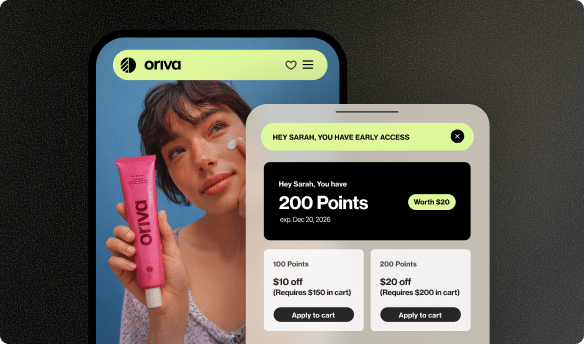
These rewards make customers feel special and appreciated. They encourage them to keep exploring what the business has to offer, moving up the value ladder. Yotpo’s Loyalty product helps businesses create and manage these amazing reward programs, making it easy for customers to earn and redeem points, and truly feel like part of an exclusive club. You can even check out some best loyalty programs for inspiration!
Making Every Step Count
A loyalty program works perfectly with a value ladder because it encourages customers to climb each rung. For instance, if a customer buys a small item and gets loyalty points, they might use those points to get a discount on the next, more expensive item. This makes the climb feel easier and more rewarding.
It’s like getting bonus points in a game that you can use to unlock the next level. Each purchase isn’t just a transaction; it’s an opportunity to earn rewards that make the next step on the value ladder even more enticing. This helps businesses boost ecommerce retention by giving customers compelling reasons to return.
Building a Community
Loyalty programs do more than just offer rewards; they help build a sense of community around a brand. When customers are part of a loyalty program, they often feel a stronger connection to the business. They might even get access to special groups or events, making them feel like true insiders.
This sense of belonging can be very powerful. Loyal customers often become advocates for the brand, sharing their positive experiences with friends and family. This word-of-mouth marketing is incredibly valuable, as people trust recommendations from people they know. Yotpo’s Loyalty product isn’t just about points; it’s about building lasting relationships and fostering a community of dedicated fans.
So, reviews help people start climbing the ladder by building trust, and loyalty programs give them great reasons to keep going higher, enjoying more value along the way. Both are super important for a successful value ladder.
The Value Ladder in Action: An Example
Let’s look at a simple example to really see how a value ladder might work for a pretend online shop that sells cool art supplies.
- Step 1: Free Introduction (The “Lead Magnet”)
The shop offers a free downloadable guide called “5 Fun Drawing Exercises for Beginners.” It’s easy to get, just by giving your email address. It gives new artists a taste of what the shop offers without spending any money. This builds initial interest and trust.
- Step 2: Low-Cost Product (The “Front-End Offer”)
After downloading the guide, the shop sends an email offering a special “Starter Sketchbook & Pencil Set” for a very low price. It’s a small investment, but it’s a real product that helps beginners put their new drawing skills to use. Many customers will see positive product reviews on the website for this set, making them feel good about buying it. Customers might also earn a few loyalty points for this first purchase.
- Step 3: Mid-Tier Product (The “Core Offer”)
Once a customer buys the starter set, they’ve shown they’re serious about drawing. The shop then offers a more comprehensive “Watercolor Painting Kit for Beginners,” which costs more but includes paints, brushes, and a full online video course. They might even be able to use some of their earned loyalty points for a discount on this kit, encouraging them to upgrade.
- Step 4: High-Value Product/Service (The “Back-End Offer”)
For the really enthusiastic artists, the shop promotes a “Premium Art Masterclass” series, taught by famous artists, or even a personalized art coaching program. This is the highest-value offer, providing deep, personalized learning. Customers in the loyalty program might get early access or exclusive bonuses for these high-end offerings. They’re already deeply invested in their art journey and trust the brand to provide top-notch education.
As you can see, the customer starts with something free and easy, and if they enjoy it, they are gently guided towards more valuable and comprehensive solutions, making their artistic journey better at each stage. The shop earns more from satisfied customers over time, and the customers get exactly what they need as they grow their skills.
Table: Steps on the Value Ladder
Here’s a quick summary of the different steps on a typical value ladder and what they aim to do:
| Ladder Step | What It Offers | Goal for the Customer | Goal for the Business |
|---|---|---|---|
| Free / Low-Cost Offer | Free guide, trial, simple blog post, small inexpensive item. | Get a taste, solve a tiny problem, learn something. | Build initial awareness, gain trust, get contact info. |
| First Purchase | Low-priced starter product or service. | Solve a small problem, get an initial beneficial experience. | Convert interest into a sale, begin customer relationship, collect feedback. |
| More Valuable Offers | More comprehensive products, services, courses. | Solve bigger problems, get more complete solutions. | Increase customer value, deepen relationship, encourage repeat purchases. |
| Top-Tier Products/Services | Premium, customized, high-end solutions, personalized help. | Get ultimate solutions, exclusive experiences, most comprehensive support. | Maximize customer lifetime value, create loyal advocates. |
Making Your Ladder Stronger with Yotpo
Building a great value ladder means making sure customers can easily find you, trust you, and then want to keep coming back. This is where tools that help you understand and engage with customers become incredibly valuable.
Helping Customers Discover You
Before anyone can climb your value ladder, they first need to know it exists! Imagine our art supply shop. When someone searches online for “drawing exercises,” they need to find the shop’s free guide. That’s where things like positive customer reviews come in handy. Reviews, especially those shared through platforms like Yotpo Reviews, can help your products show up better in search results and build credibility instantly.
When potential customers see authentic reviews from other happy users right from the start, it makes them much more likely to try that free guide or buy that low-cost starter kit. Reviews act like a friendly recommendation from a trusted friend, making that first step onto the ladder feel much safer and more inviting. This kind of social proof is essential in today’s DTC marketing world.
Encouraging Them to Stay
Once a customer is on your ladder and has made a purchase, how do you encourage them to climb higher and not jump off? That’s where customer loyalty plays a huge role. Yotpo’s Loyalty product is designed specifically to help businesses reward their customers for every step they take.
When customers earn points for buying that starter art kit, and then can use those points for a discount on the watercolor set, it’s a powerful incentive. It makes them feel valued and gives them a clear reason to keep engaging with your brand. Loyalty programs don’t just keep customers around; they actively encourage them to explore more of what you offer, moving up each rung of your value ladder. They help turn one-time buyers into long-term fans, which is vital for any successful business today. You can read some amazing success stories about how businesses have achieved this.
So, Yotpo Reviews helps people trust you enough to take the first step, and Yotpo Loyalty makes sure they have great reasons to keep climbing, transforming casual visitors into devoted, repeat customers.
Conclusion
A value ladder is a super smart way for businesses to connect with you and offer more and more helpful things over time. It starts with something small and easy, like a free guide or a low-cost item, and then gently guides you to more valuable and complete solutions as your needs grow. It’s all about building trust, helping customers, and creating lasting relationships.
From the first moment you discover a business to becoming one of their most loyal fans, the value ladder provides a clear path for everyone. Tools that help businesses listen to their customers, like collecting honest reviews, are like making sure the ladder steps are sturdy. And programs that reward customers for staying with a brand, like loyalty programs, are like adding special treats at each level to encourage them to keep climbing.
So, the next time you try a free sample or sign up for a loyalty program, remember that you’re probably taking a step on a value ladder! It’s a clever and helpful system that makes sure both you and the businesses you love get the most out of your relationship.


 Join a free demo, personalized to fit your needs