











What is a Transactional Email?
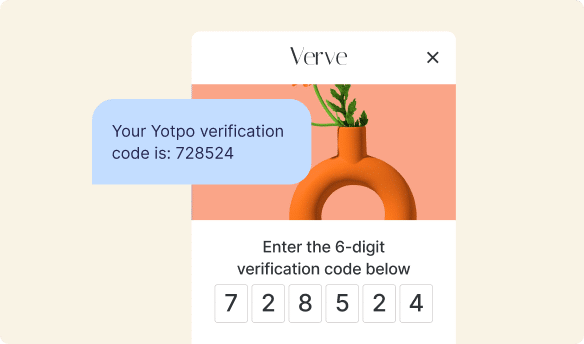
Have you ever bought something online, and just moments later, received a message in your inbox saying, “Your order is confirmed!” Or maybe you tried to log into a website, forgot your secret password, and got an email with a special link to reset it? Those helpful messages are called transactional emails. They’re like little digital notes that a business sends you because you just did something specific with them.
Think of them as a direct response to your actions. Unlike big, flashy emails that try to convince you to buy something new (those are called marketing emails), transactional emails are all about giving you important, timely information related to an action you just completed. They’re essential for keeping you in the loop and making sure your online experiences are smooth and stress-free.
What Makes a Transactional Email So Different?
It’s easy to mix up transactional emails with other kinds of messages businesses send. But there are a few key things that make transactional emails special:
- They are one-on-one messages: These emails aren’t sent to thousands of people all at once to advertise a sale. Instead, they’re sent directly to you, and only you, because of something specific you did. It’s like a personal conversation between you and the business.
- They are triggered by your actions: A transactional email doesn’t just show up out of the blue. You have to do something first to make it happen. You buy something, sign up for an account, ask for a password reset – these are all “triggers” that make the email get sent.
- They have a specific, helpful purpose: The main goal of a transactional email is to give you important information or confirm something for you. It’s not usually trying to sell you more stuff right away. It’s about updating you, confirming your choices, or helping you out with a task.
- You usually expect them: When you make a purchase, you usually wait for that confirmation email, right? You expect to get it because it contains crucial details about your transaction. This expectation makes these emails highly opened and read.
So, while a marketing email might say, “Big Sale This Weekend!”, a transactional email says, “Your order #12345 has shipped!” See the difference? One is trying to get your attention for a future action, the other is confirming a past one.
Why Are Transactional Emails Super Important?
You might think, “They’re just emails, what’s the big deal?” But transactional emails play a huge role in how you feel about a business and how smoothly things run online. Here’s why they’re so important:
Building Trust and Reliability
Imagine you buy a cool new toy online. You click “buy,” and then… nothing. No email, no confirmation, no sign that your order went through. How would you feel? Probably a bit worried, right? Transactional emails solve this! They immediately tell you, “Yes, we got your order!” This instant feedback builds trust. You know the company is reliable and keeping you informed, which makes you feel good about shopping with them again.
Making Your Experience Smoother
Transactional emails are like helpful guides. They give you the information you need exactly when you need it. Think about a shipping update: “Your package will arrive tomorrow!” This helps you plan your day. Or a password reset email: it quickly gets you back into your account. These little messages prevent confusion and make your whole online journey much more pleasant.
Delivering Important Information
These emails aren’t just polite messages; they often contain critical details. Your order number, tracking link, receipt, new account login details – these are all things you absolutely need to know. Transactional emails deliver this vital information directly to your inbox, making it easy for you to keep track of things.
Quietly Building Relationships
Even though they’re not trying to sell you something, these emails help build a relationship between you and the business. Each helpful, timely message shows that the company cares about your experience. It makes you feel valued and remembered. This positive feeling can make you want to come back and do business with them again and again. It’s a key part of creating a great customer experience.
To sum it up, transactional emails are the silent heroes of online interactions. They keep you informed, build trust, and make your digital life easier.
Common Types of Transactional Emails You’ll See
There are many different kinds of transactional emails, each designed for a specific moment. Let’s look at some of the most common ones you probably get all the time:
- Order Confirmation Emails: This is probably the most common one! After you buy something, you get an email confirming your purchase. It usually includes an order number, a list of what you bought, the total cost, and sometimes an estimated delivery date. It’s your official receipt and proof that your order was received.
- Shipping Update Emails: Once your item leaves the warehouse, you might get an email telling you it has shipped. Even better, you’ll often get a tracking number and a link to watch your package’s journey. Later, you might even get an email saying it’s out for delivery or has been delivered!
- Account Creation/Welcome Emails: When you sign up for a new website or app, you’ll get a welcome email. This often confirms your new account, gives you your username, and sometimes even offers helpful tips on how to get started.
- Password Reset Emails: We’ve all been there – forgetting a password! When you click “Forgot Password,” the system sends you a special link in an email. This link lets you securely create a new password without needing to remember the old one.
- Receipts and Invoices: Whether you buy a digital product, subscribe to a service, or make a payment, you’ll likely receive a digital receipt or invoice. This email details your payment, the amount, and what you paid for, acting as an official record.
- Subscription Confirmation Emails: If you sign up for a newsletter or a recurring service, you’ll get an email confirming your subscription. This often includes details about what you’ve signed up for and how to manage your subscription.
- Support Ticket Updates: If you contact a company’s customer service with a question or problem, you’ll often receive an email confirming they received your message (a “ticket”). Later, you might get updates on the progress or a resolution to your issue.
- Review Request Emails: After you’ve received your product or experienced a service, a business might send you an email asking you to share your thoughts. These emails are crucial for businesses because they help them gather valuable feedback from real customers. Asking customers for reviews is a smart way for businesses to improve and show off what people love.
- Loyalty Program Updates: If you’re part of a store’s loyalty program, you might get emails updating you on your points balance, new rewards you’ve earned, or special perks available to you. These emails encourage you to stay engaged and enjoy the benefits of being a loyal customer. Building a strong loyalty program helps businesses keep their best customers happy.
As you can see, transactional emails cover a wide range of important communications, all designed to make your interactions with businesses clearer and more efficient.
How Transactional Emails Help Businesses Grow
While their primary job is to inform, transactional emails do a lot more for businesses than just sending out information. They are powerful tools that, when used well, can help a company grow and build stronger connections with its customers.
Building Customer Loyalty
Every time a business sends a clear, helpful transactional email, it reinforces a positive feeling. This consistent positive experience builds trust and loyalty. Customers appreciate knowing exactly what’s happening with their order or account. When a business makes things easy and transparent, customers are more likely to return for future purchases. This contributes significantly to customer retention.
Encouraging Future Purchases (Subtly!)
Even though transactional emails aren’t sales emails, they can still gently encourage future buying. For example, an order confirmation email might include a small section like “You might also like…” or a shipping email could hint at new products coming soon. More powerfully, a positive experience with a well-handled transaction makes a customer more likely to choose that business again.
Gathering Valuable Feedback
One of the best ways transactional emails help businesses is by asking for feedback. After a purchase or interaction, a review request email is a prime example. This isn’t just about getting stars and comments; it’s about understanding what customers love and what could be better. Yotpo Reviews helps businesses collect, manage, and display these crucial customer thoughts. Positive reviews, also known as User-Generated Content (UGC), are incredibly persuasive because they come from real people and build trust with new shoppers.
Improving Customer Retention
Keeping existing customers is often more cost-effective than finding new ones. Transactional emails play a big part here. By keeping customers informed, making their experience smooth, and subtly reminding them of their value (like loyalty points), businesses can increase the chances that customers will stick around. For instance, emails that update customers on their loyalty points balance or new rewards available through programs powered by Yotpo Loyalty keep them engaged and coming back.
In short, these practical emails aren’t just about closing a loop; they’re about opening doors to lasting customer relationships and helping a business thrive.
Making Your Transactional Emails Great: Best Practices
Since transactional emails are so important, businesses try hard to make them as good as possible. Here are some of the best ways to create fantastic transactional emails:
- Be Clear and Concise: Get straight to the point! Customers open these emails for specific information, so make it easy for them to find. Use simple language and clear headings. Avoid long, confusing sentences.
- Be Timely: Send the email right away! An order confirmation received five minutes after a purchase is much more helpful than one that arrives an hour later. Speed shows efficiency and reassures the customer.
- Personalize the Message: Use the customer’s name! “Hi Sarah,” feels much more personal than “Dear Customer.” Personalization makes the email feel like it’s truly meant for them, not just an automatic message.
- Keep Your Brand Showing: Even if it’s a simple receipt, the email should still look like it came from the business. Use the company’s logo, colors, and fonts. This helps build brand recognition and a consistent experience.
- Make it Mobile-Friendly: Lots of people check their emails on their phones. Make sure the email looks good and is easy to read on a small screen. Big text and easy-to-tap buttons are key.
- Include a Call to Action (When Appropriate): While not always about selling, some transactional emails can include a helpful next step. For example, a delivery confirmation email could gently ask, “Love your new item? Leave a review!” or “Check your loyalty points here.”
- Provide Easy Contact Information: Always include how customers can reach the business if they have questions. A clear link to customer support or an FAQ page (like this one) is very helpful.
Transactional Email Dos and Don’ts
To make it even clearer, here’s a quick table of things to remember and things to avoid:
| Do ✅ | Don’t ❌ |
|---|---|
| Provide clear, specific information. | Overwhelm with too much text or unnecessary details. |
| Send immediately after the action. | Delay sending important confirmations. |
| Use a friendly, helpful tone. | Sound robotic or impersonal. |
| Match your brand’s look and feel. | Send emails that look generic or unbranded. |
| Make sure it’s easy to read on any device. | Send emails that are hard to view on phones. |
| Offer clear next steps or support options. | Leave customers wondering what to do next. |
By following these best practices, businesses can make sure their transactional emails are not just functional but also add real value to the customer experience.
Transactional Emails and the Customer Experience: A Closer Look
Think about how you feel when you interact with your favorite online store. A big part of that feeling comes from the tiny messages you receive along the way. Transactional emails are more than just bits of data; they’re key moments in your overall experience with a brand. Let’s dig a little deeper into how they shape that experience:
Setting Expectations
When you buy something, you instantly start wondering: “When will it arrive?” “Did my payment go through?” A timely order confirmation and subsequent shipping updates immediately answer these questions. They set clear expectations about what’s next, which makes you feel more in control and less anxious. Businesses that communicate well make you feel like you’re in good hands.
Reducing Anxiety
There’s a natural moment of worry after any online transaction, especially with money involved. “Did I mess up the address?” “Will my package get lost?” Each transactional email acts like a little reassurance. “Your order is confirmed!” “Your package is on its way!” “It’s delivered!” Each message helps to relieve those worries, making the entire process feel safe and reliable.
Providing Value Beyond the Purchase
These emails aren’t just about selling; they’re about serving. A password reset email provides access. A support update solves a problem. A review request allows your voice to be heard. Each message delivers a specific value that enhances your interaction with the business, often making your life easier or more convenient.
Creating a Seamless Journey
Imagine your online journey as a path. Transactional emails are like helpful signposts along that path, guiding you from one step to the next without getting lost or confused. They connect different parts of your interaction, from browsing to buying to receiving, making the whole experience feel smooth and unbroken. This smooth journey significantly impacts consumer decision-making and whether they’ll choose to shop with the brand again.
Ultimately, well-crafted transactional emails transform routine communications into opportunities to build a stronger relationship with customers, making them feel cared for and respected.
The Role of User-Generated Content (UGC) with Transactional Emails
We’ve talked about how transactional emails deliver important messages, but did you know they can also be a fantastic way to gather and even share User-Generated Content (UGC)? UGC is any content—like photos, videos, or reviews—created by real customers rather than the brand itself. It’s incredibly powerful because people trust what other customers say more than what a business says about itself. You can learn more about what User-Generated Content is here.
Requesting Reviews After a Purchase
One of the most common and effective uses of transactional emails for UGC is requesting reviews. After a customer receives their order, a polite and timely email can ask them to share their thoughts about the product or their shopping experience. This email is transactional because it’s directly tied to a completed purchase. Tools like Yotpo Reviews help businesses automate these requests, making it easy for customers to leave feedback. The reviews collected through these emails then become powerful social proof that helps other shoppers make buying decisions.
Showcasing Other Customers’ Content
Transactional emails don’t just collect UGC; they can also feature it! Imagine an order confirmation email that, in addition to showing your order details, also includes a small section with beautiful photos of other customers using the product you just bought. This visual UGC can make the email more engaging, excite the customer about their upcoming delivery, and even inspire them to share their own photos once their item arrives. Yotpo’s Visual UGC tools can help businesses easily collect and display these kinds of engaging photos and videos.
Encouraging Sharing with Loyalty Programs
Some transactional emails, especially those related to loyalty programs, can encourage customers to share their experiences. For example, an email updating a customer on their points balance might also remind them of a referral program. If they refer a friend, they both get a reward! This turns loyal customers into brand advocates. Yotpo Loyalty programs often integrate features that encourage customers to share their love for a brand, generating even more valuable UGC and word-of-mouth marketing.
By cleverly weaving UGC into transactional emails, businesses can transform simple updates into powerful marketing opportunities that build community, trust, and excitement around their products.
Making Every Transactional Email Count for Your Business
We’ve explored how transactional emails work and why they’re so important for customers. Now, let’s look at how businesses can truly maximize these messages, especially when it comes to tools designed to enhance customer relationships.
Turning a Delivery into a Review Opportunity
Think about that email telling you your package has been delivered. It’s a key transactional message. But it can be so much more! It’s the perfect moment to follow up and ask, “How do you like your new product?” By including a clear, easy way for customers to leave a review right within that email, businesses can turn a simple notification into a valuable source of feedback. Yotpo Reviews provides a seamless way for businesses to collect and manage these post-purchase reviews. This not only gives potential new customers confidence in their purchase, but also provides businesses with insights to improve their products and services.
Boosting Loyalty with Every Update
Transactional emails often carry information that directly relates to a customer’s loyalty status. An email confirming a purchase can also update a customer on the points they’ve earned. An email celebrating their birthday can include a special loyalty reward. These small, timely reminders keep customers engaged with the brand’s loyalty program, making them feel appreciated and encouraging them to continue shopping. With Yotpo Loyalty, businesses can craft these highly personalized loyalty-focused transactional messages, ensuring customers always know the value of their continued patronage.
Improving Overall Customer Retention
Ultimately, the goal of making every transactional email count is to improve customer retention. When a customer consistently receives clear, helpful, and timely communications, their overall experience is positive. This positive experience reduces friction, builds trust, and fosters a sense of appreciation. Happy, informed customers are much more likely to return, make repeat purchases, and even recommend the business to others – key components of a strong retention strategy. You can find more tips on how to improve customer retention here.
By thoughtfully designing and integrating these messages with powerful tools like Yotpo Reviews and Yotpo Loyalty, businesses can transform their transactional emails from simple communications into strategic assets that drive growth and build lasting customer relationships.
Conclusion
So, what is a transactional email? It’s much more than just a quick message. It’s a crucial part of how businesses talk to you online, making sure you’re informed, happy, and confident in your interactions. These emails are the helpful confirmations, the timely updates, and the necessary bits of information that make your online experiences smooth and trustworthy.
From confirming your latest order to reminding you about your loyalty points or asking for your valuable feedback, transactional emails are quietly working hard behind the scenes. They build trust, reduce worry, and create a better overall experience for you. For businesses, they are powerful tools that, when used smartly, can turn simple actions into opportunities to build stronger relationships and encourage customers to keep coming back. By focusing on clarity, timeliness, and customer value, transactional emails truly make every interaction count.


 Join a free demo, personalized to fit your needs