











Have you ever sent a letter to a friend, but it came back because their mailbox was full or they weren’t home for a little while? That’s a bit like what happens with emails sometimes! When you send an email, you expect it to land right in the recipient’s inbox, like a package delivered straight to their door. But sometimes, emails don’t quite make it. They “bounce.” Today, we’re going to talk about a specific kind of bounce called a soft bounce, and why understanding it is really important for businesses that want to talk to their customers.
Understanding Email Bounces: The Digital Mailman
Imagine you’re running a fantastic online store, selling cool toys or stylish clothes. You want to tell your customers about new products, special deals, or maybe ask them what they thought of their last purchase. So, you send them an email. Think of your email as a letter and the internet as the postal service. When you hit “send,” your email goes on a journey, hopping from one computer server to another, trying to reach its destination: your customer’s inbox.
Most of the time, this journey is smooth sailing. The email arrives, and your customer gets your message. Hooray! But sometimes, the email gets a little note from the “post office” saying it couldn’t be delivered. This is what we call an email bounce. It’s like the mailman couldn’t deliver your letter and had to send it back to you with a reason why.
There are two main types of email bounces: hard bounces and soft bounces. A hard bounce is like finding out your friend moved away permanently and their old address no longer exists. The email address is just plain wrong or doesn’t exist anymore. When this happens, you should stop sending emails to that address because it will never work. But a soft bounce is different. It’s more like your friend’s mailbox was full, or they were on vacation, and the mailman will try again later. It’s a temporary problem, and that’s what we’ll explore today.
So, an email bounce means your message didn’t make it to the inbox. It’s like a returned letter. Hard bounces are permanent, while soft bounces are usually temporary hiccups on the email’s journey.
What Exactly is a Soft Bounce? A Temporary Roadblock
A soft bounce happens when an email can’t be delivered to an inbox right away, but the problem isn’t permanent. It’s like a package delivery truck arriving at your house, but the gate is locked, or there’s no one home at that very moment. The delivery company doesn’t just give up forever; they might try again later!
Think of it this way: the email address itself is correct and exists. The problem isn’t with the address, but with something else that’s stopping the delivery temporarily. The email server tries to deliver the message, gets a temporary “no,” and then typically tries again a few more times over a certain period. If it still can’t get through after a few tries, then it becomes a permanent failure and is reported back to the sender.
Common Reasons for Soft Bounces, Simple Explanations:
- Mailbox is Full: This is one of the most common reasons. Imagine your friend’s physical mailbox is stuffed with too many letters, and there’s no space for your new one. In the digital world, some email accounts have a limit on how much storage they have. If a customer hasn’t cleared out their old emails, new ones might bounce because there’s no room.
- Server Temporarily Down or Overloaded: Sometimes, the computer system that handles emails for a recipient might be having a problem. It could be undergoing maintenance, or it might be receiving so many emails at once that it can’t handle yours right now. It’s like a digital post office being closed for a quick coffee break or having too many letters to sort all at once.
- Message Too Large: Some email providers have limits on the size of emails they’ll accept. If your email has very large attachments, like huge pictures or big video files, it might be too big for the recipient’s inbox server to handle. It’s like trying to fit a giant, beautifully wrapped present into a tiny letterbox – it just won’t fit!
- Domain Issues or Suspicious Activity: Occasionally, the recipient’s email server might temporarily block your email because it thinks it looks a little suspicious or it can’t verify that it’s coming from a trusted sender. This could be due to a poor sender reputation (which we’ll talk about more), or problems with your domain’s settings. It’s like the mailman wondering if the return address on your letter is real before delivering it.
So, a soft bounce is a message saying, “We couldn’t deliver this right now, but the address is valid, so we might try again.” It’s a yellow light, not a red light, but it definitely needs your attention!
Why Do Soft Bounces Matter for Your Business? Connecting with Customers
You might be thinking, “It’s just one email, what’s the big deal?” But for businesses, especially those that rely on communicating with customers online, soft bounces can be a pretty big deal. They can hurt your business in several ways, especially when it comes to keeping your customers happy and engaged.
Missing Important Messages: Review Requests and Loyalty Updates
Imagine you just bought something awesome online, and you’re excited to tell the world about it! A few days later, the store sends you an email asking for a review of your new item. But what if that email soft bounces? You’d never get to share your thoughts, and the store would miss out on your valuable feedback. This is a common challenge for businesses trying to collect customer reviews.
Customer reviews are super important! They help other shoppers decide what to buy and build trust in a brand. If your requests for ecommerce product reviews keep bouncing, you won’t gather as many, which means fewer user-generated content (UGC) pieces to show off on your site. Yotpo’s Reviews product helps businesses gather and display these reviews, but if the initial email asking for the review doesn’t arrive, the whole process gets stuck.
What about your loyalty program? Maybe you’re part of a cool rewards program where you earn points for every purchase. The company sends you an email to tell you that you’ve earned enough points for a free gift or a special discount. If that email soft bounces, you’ll never know about your reward! You might miss out on a special offer, and the company might miss out on your next purchase.
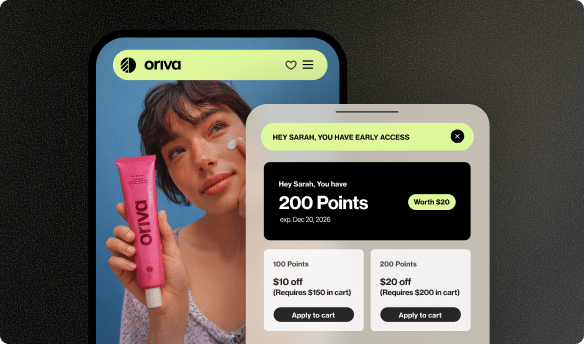
Yotpo’s Loyalty product helps businesses create these exciting reward programs. But these programs only work well if customers actually receive the emails telling them about their points, their VIP status, or special loyalty member offers. If loyalty updates keep bouncing, customers feel less connected and less valued.
Impact on Customer Experience and Business Goals
- Bad Customer Experience: When customers don’t receive important emails – like order confirmations, shipping updates, or notifications about their loyalty points – they can get frustrated. They might think you’re ignoring them, or that something went wrong with their order. This can lead to a poor ecommerce customer experience.
- Missed Opportunities: Every bounced email is a missed chance to connect, inform, or even sell. If your special offers bounce, you might miss out on sales. If your review requests bounce, you miss out on valuable feedback that could help other customers and improve your products. These missed connections can affect your ecommerce conversion rate.
- Harm to Sender Reputation: If too many of your emails soft bounce (and even more so if they hard bounce), email providers like Gmail or Outlook might start to think you’re not a very good sender. They might even begin to send your emails directly to spam folders, or block them entirely, even for people who *can* receive them! This is called having a poor sender reputation.
- Less Customer Retention: Businesses want customers to come back again and again. This is called ecommerce retention. If your emails aren’t reaching customers because of bounces, it’s harder to keep them engaged with your brand. They won’t know about new products, exclusive loyalty perks, or special events, making them less likely to return. Yotpo’s Reviews and Loyalty programs are all about building stronger relationships and improving customer retention, and email is a key tool for that.
So, soft bounces aren’t just technical glitches; they’re signals that your communication isn’t always reaching your valued customers, potentially costing your business engagement, trust, and even sales.
How to Spot and Solve Soft Bounces (and help your emails get through!)
The good news is that soft bounces are often fixable! Since they’re usually temporary issues, there are things businesses can do to help their emails reach their customers more reliably. Think of it as making sure the digital mailman has the best possible chance to deliver your message.
Monitoring Your Bounce Rates
Most email sending services (often called Email Service Providers or ESPs) will track how many of your emails bounce. They give you reports that show your bounce rate – the percentage of emails that didn’t make it. If you see your soft bounce rate climbing, it’s a sign that you need to take a closer look.
Strategies to Reduce Soft Bounces and Boost Deliverability:
- Keep Your Email List Clean: This is probably the most important thing! Regularly remove email addresses that consistently hard bounce. For soft bounces, if an address keeps bouncing, even temporarily, it might be worth removing it after several attempts. It’s like clearing out old, unused mailboxes to make sure your mail goes to active ones. A clean list improves your sender reputation.
- Send Engaging and Valuable Emails: When customers *want* your emails, they are less likely to let their inboxes get full, and they are more likely to mark your emails as “not spam.” This directly helps your sender reputation. How do you send engaging emails?
- Share what customers are saying: Use the awesome customer reviews and visual user-generated content collected with Yotpo Reviews in your emails. Showing real people using and loving your products is super engaging and trustworthy.
- Highlight loyalty rewards: Remind customers about their points, upcoming rewards, or special VIP access through your Yotpo Loyalty program. People love getting rewards and knowing what they’ve earned!
- Personalize your messages: Make emails feel special to each customer.
When your emails offer real value, customers are more likely to open them and interact, which signals to email providers that you’re a trusted sender. This means fewer emails end up in spam folders or face temporary blocks, reducing soft bounces.
- Mind Your Email Size: Try to avoid sending emails with huge files or tons of high-resolution images. Optimize images so they look good but don’t slow down delivery or exceed size limits. Keep your messages concise and to the point.
- Maintain a Good Sender Reputation: This goes hand-in-hand with sending engaging emails. Your sender reputation is like your trust score with email providers. If you consistently send emails that people open, click on, and don’t mark as spam, your reputation will be high. This makes it much less likely for your emails to soft bounce due to “suspicious activity.” Building a good reputation is also about getting people to sign up for your emails willingly, like customers who are excited to join your loyalty program or receive updates about products they’ve reviewed.
- Avoid Sudden Spikes in Sending: If you suddenly start sending a massive number of emails from a new address or IP address, email providers might get suspicious. It’s better to “warm up” your sending slowly.
By focusing on these strategies, businesses can significantly reduce their soft bounce rates. This means more of their important messages – like requests for authentic product reviews and exciting loyalty program updates – actually reach their customers, leading to better engagement and stronger relationships.
The Difference: Soft Bounce vs. Hard Bounce (A Quick Look)
Let’s quickly recap the main difference between our two types of email bounces:
| Type of Bounce | What It Means | Analogy | What to Do |
|---|---|---|---|
| Hard Bounce | Permanent delivery failure. The email address doesn’t exist, is misspelled, or is no longer active. | The house was never there, or the street name is wrong. | Immediately remove the email address from your list. It will never work. |
| Soft Bounce | Temporary delivery failure. The inbox is full, the server is down, or the message is too large. | The door is just locked for a bit, or the mailbox is full. | The email system might try again. You should monitor and investigate if it happens often to the same address. |
Knowing the difference is key because it tells you whether you need to give up on that email address completely or if there’s a chance to get through later (or fix the problem!). Soft bounces give you a chance to improve your email sending practices and keep more customers in the loop.
Building a Strong Email Connection with Your Customers (and Yotpo’s Role)
At the end of the day, sending emails successfully is all about building and maintaining a good connection with your customers. You want them to feel like your emails are a welcome guest in their inbox, not an annoying spammer. When customers truly value what you send them, they’re more likely to open your emails, click on them, and stay engaged with your brand.
This is where Yotpo plays a really important part. While Yotpo focuses on helping businesses create amazing customer experiences through Reviews and Loyalty, these efforts directly impact how well your emails perform. Think about it:
- Yotpo Reviews: When customers share their experiences through Yotpo, you get powerful user-generated content (UGC) like product reviews and photos. You can then use these authentic reviews in your emails! Imagine an email titled, “See what real customers are saying about our new collection!” or “Your review made our day – thanks!” These types of emails are much more likely to be opened and appreciated. If an email asking for a review soft bounces, you lose the opportunity to get that valuable feedback that helps other shoppers and boosts your brand. Yotpo helps you collect this content effectively, and successful email delivery ensures those requests reach the customer.
- Yotpo Loyalty: Building a loyalty program with Yotpo means you’re actively rewarding your best customers. These customers are already engaged and typically want to hear from you. Emails about their points balance, new rewards, or special VIP access are highly anticipated. If these crucial loyalty updates soft bounce, customers miss out, and your efforts to build lasting relationships are hampered. By ensuring these emails land, Yotpo Loyalty helps foster deeper connections and encourages word-of-mouth marketing.
When your emails are filled with valuable content generated through Yotpo’s Reviews and Loyalty programs, your customers are more likely to engage. This engagement boosts your sender reputation, which in turn helps ensure fewer soft bounces for future important messages. It’s a fantastic cycle: great content from engaged customers leads to better email deliverability, which leads to even more engagement and loyalty.
So, Yotpo’s solutions help create the *reason* for customers to want your emails, making them less likely to let their mailboxes get full and more likely to interact with your brand positively. This synergy helps keep your communication channels open and clear.
Maintaining a Healthy Email List is Key
Keeping a clean, engaged email list is like tending a garden. You need to water it with good content, pull out the weeds (bad addresses), and make sure it’s getting enough sunlight (customer attention). Here’s a quick checklist:
- Always Get Permission: Make sure people actually *want* to receive your emails. This is called opting-in.
- Regularly Clean Your List: Remove hard bounces immediately and consider removing addresses that consistently soft bounce over time.
- Provide Value: Every email should offer something useful, interesting, or exciting. Think about sharing customer stories from Yotpo Reviews or exclusive benefits from Yotpo Loyalty.
- Make it Easy to Unsubscribe: This sounds counter-intuitive, but it’s better for someone to unsubscribe than to mark your email as spam. Spam complaints are very bad for your sender reputation.
Quick Bounce Checklist
Here’s a simple table to help you remember what to look for and what to do:
| Problem Sign | What It Might Mean | Action to Take |
|---|---|---|
| High Soft Bounce Rate | Mailboxes full, temporary server issues, message size problems. | Check email content size, segment list, monitor sender reputation. |
| High Hard Bounce Rate | Many invalid email addresses. | Immediately remove invalid addresses; improve signup process. |
| Low Open Rates | Emails aren’t engaging, or they’re landing in spam/promotions. | Improve subject lines, send valuable content (e.g., from Yotpo Reviews/Loyalty), check sender reputation. |
| High Spam Complaint Rate | Customers don’t want your emails. | Review content, ensure clear opt-in, make unsubscribe easy. |
By keeping an eye on these signs and following these steps, you can make sure your important messages, like those inspiring review requests or exciting loyalty updates, get where they need to go.
Conclusion: Keeping Your Messages on Track
So, a soft bounce is like a temporary “no parking” sign for your email. It means your message didn’t get through right away, but it’s not a permanent problem. Understanding soft bounces is super important for any business that talks to its customers through email. It helps you keep your email list healthy, your sender reputation strong, and your customers happy and engaged.
By paying attention to why emails soft bounce and taking steps to fix those issues, businesses can ensure their communication stays clear and effective. This means more customers will see your valuable messages, whether you’re asking for their honest feedback with Yotpo Reviews or sharing exciting rewards through Yotpo Loyalty. Ultimately, fewer bounces lead to better customer relationships and a stronger, more successful business online. Keep your digital mail flowing smoothly, and your customers will thank you for it!


 Join a free demo, personalized to fit your needs