









What is a Re-engagement Campaign?
Imagine you have a favorite toy store you used to visit all the time, but then you got busy playing outside and haven’t been there in a while. Suddenly, you get a friendly note from the store saying, “Hey, we miss you! Come back and see all the cool new toys we have!” That friendly note is a lot like a re-engagement campaign in the world of online shopping.
Simply put, a re-engagement campaign is a clever way businesses use to say “hello again” to customers who haven’t visited their website, opened their emails, or bought something in a while. It’s about trying to bring those customers back to shop and interact with the brand once more. It’s a really smart move for businesses because it’s often easier and cheaper to remind someone who already knows and likes you to come back, instead of trying to find a brand new customer!
What Exactly is a Re-engagement Campaign?
Think of it this way: you have a favorite game, but you haven’t played it in a while. A re-engagement campaign is like a friend reminding you how much fun that game was, maybe even telling you about a new level or character that’s been added. For online stores, it’s a set of actions designed to encourage people who have stopped interacting with them to return. We’re talking about customers who might have purchased once and then vanished, or those who added items to their cart but never checked out.
Why do businesses care so much about these “missing friends”? Well, once someone has shown interest in a brand – by visiting their site, adding something to their cart, or making a purchase – they’ve already taken a big step. They know the brand, and they might even like it! It’s much more efficient to gently nudge these folks back than to convince someone completely new to give the brand a try. This strategy helps businesses boost their conversion rates because they’re reaching out to a warm audience.
Who Are We Trying to Re-engage?
When we talk about re-engaging, we’re thinking about different groups of people who might have drifted away:
- Past Customers: These are people who have bought something from the store before but haven’t made a purchase recently. Maybe they bought a shirt last year, but haven’t been back since.
- Website Visitors: Someone who visited the website, looked at some products, but left without buying anything. They showed interest, but didn’t finish the job.
- Cart Abandoners: Oh, this is a big one! These folks put items in their shopping cart, got all excited, and then for some reason, they left the website before paying. Their cart is sitting there, waiting!
- Inactive Subscribers: People who signed up for emails from the store but haven’t opened any messages or clicked on anything in a long time. They’re on the list, but not paying attention.
Each of these groups needs a slightly different kind of “hello” message to get them interested again. Knowing who you’re talking to helps you create the perfect invitation.
Why Are Re-engagement Campaigns So Important?
Re-engagement campaigns are like hidden treasures for businesses. They offer lots of great benefits that help stores grow and keep their customers happy. Let’s look at why they’re such a big deal:
| Benefit | What it Means for Businesses |
|---|---|
| Cost-Effective | It’s often much cheaper to get an old customer to buy again than to find a brand new one. Think about it: you don’t have to spend money introducing yourself all over again! This helps businesses keep their customer acquisition cost low. |
| Increased Sales | More people coming back means more chances for them to buy things. This directly helps the store make more money. Even a small number of returning customers can make a big difference. |
| Better Customer Relationships | When a business reaches out, it shows they care. It’s like your friend remembering your birthday – it makes you feel valued. This can build stronger connections between customers and the brand. |
| Improved Customer Retention | Keeping customers coming back again and again is called customer retention. Re-engagement campaigns are a key part of this. When customers stick with a brand, they become loyal fans who shop regularly and might even tell their friends. This is often discussed in the context of ecommerce retention. |
| Learning Opportunities | Sometimes, customers leave because something wasn’t quite right. By trying to re-engage them, businesses can learn valuable lessons. Did they have a problem? Was the product not what they expected? This feedback helps the store get better for everyone. |
So, these campaigns aren’t just about making a quick sale; they’re about building a stronger, happier group of customers who stick around for the long haul. They’re a vital part of the ecommerce marketing funnel, focusing on the later stages of customer loyalty.
How Do Re-engagement Campaigns Work? The Magic Steps
Setting up a re-engagement campaign is a bit like planning a surprise party for your friends who haven’t seen you in a while. You need to know who to invite, what to offer, how to send the invitation, and then see if they show up! Here are the main steps:
Step 1: Finding Your Missing Friends (Identifying Inactive Customers)
First, a business needs to figure out who has gone “inactive.” This isn’t just a guess; they use smart tools to track customer activity. “Inactive” might mean someone hasn’t bought anything in 60 days, or maybe they haven’t visited the website in three months. The exact time frame can change depending on what the business sells. For example, a store selling daily groceries might consider someone inactive sooner than a store selling expensive furniture.
Businesses use special software to keep an eye on when customers last visited, bought something, or opened an email. This helps them create lists of people who need that friendly “hello again” message.
Step 2: Crafting Your “Come Back” Message (Designing Your Campaign)
Once you know who you’re talking to, it’s time to decide what you’ll say and what you’ll offer to tempt them back. This is where creativity comes in! What kind of message would make someone want to return?
- Special Deals or Discounts: “Here’s 15% off your next purchase, just for you!” Who can resist a good deal?
- New Products or Collections: “You loved our last collection, check out these amazing new arrivals we think you’ll adore!”
- Reminders of Left-Behind Items: “Hey, you left some cool stuff in your cart! Want to finish checking out?”
- Asking for Feedback: Sometimes, just asking “How can we do better?” can make customers feel heard and valued.
- Loyalty Program Benefits: Reminding them about points they’ve earned or special member-only perks.
These messages can be sent through different channels like personalized emails, ads on social media that target these specific people, or even pop-up messages on the website if they happen to visit again. The goal is to make the message feel personal and exciting.
Step 3: Sending the Message (Executing the Campaign)
With the message ready, it’s time to send it out! Timing is super important here. You don’t want to send it too soon after they’ve left, or they might feel bothered. But you also don’t want to wait so long that they’ve completely forgotten about your brand. There’s a sweet spot for every type of campaign.
Personalization is key. A message that says “Hi [Customer Name], we noticed you liked [Product Type]” feels much more special than a generic “Dear Customer.” Businesses use tools to make sure each message feels unique to the person receiving it, using details from their past interactions.
Step 4: Seeing if it Worked (Measuring Success)
After sending out the “come back” messages, businesses need to check if their plan worked. Did customers open the emails? Did they click on the links? Most importantly, did they come back to the website and make a purchase? By tracking these things, businesses can tell if their re-engagement campaign was successful. (You can learn more about this at marketing campaign measurement).
If a campaign didn’t work as well as hoped, that’s okay! It’s a chance to learn and adjust. Maybe the offer wasn’t tempting enough, or the timing was off. Businesses can then try a different approach next time, always trying to get better at bringing their customers back.
Types of Re-engagement Campaigns
Just like there are many reasons why a friend might drift away, there are different types of re-engagement campaigns for different situations. Here are some of the most common ones:
- Win-Back Campaigns: These are for customers who haven’t bought anything in a really long time. The message is usually something like, “We miss you!” or “It’s been a while, come see what’s new!” Often, these campaigns include a special discount or offer to entice them back.
- Cart Abandonment Campaigns: This is for those people who put items in their online shopping cart but then left before buying. The message reminds them about the items they left behind, sometimes even offering a small incentive to complete the purchase. It’s a very common and effective type of re-engagement.
- Browse Abandonment Campaigns: These campaigns target customers who visited the website, looked at specific products, but didn’t add anything to their cart. The message might say, “Did you see something you liked?” and show them the products they viewed, hoping to spark their interest again.
- Inactive Subscriber Campaigns: For people on an email list who haven’t opened or clicked on emails in a long time. The goal is to see if they still want to receive updates. Sometimes it’s a simple, “Do you still want to hear from us?” message, giving them a chance to reconfirm their interest or unsubscribe.
- Loyalty Program Re-engagement: If a customer is part of a loyalty program but hasn’t earned or used points lately, a business might send a reminder like, “You have points waiting to be used!” or “Don’t miss out on your member benefits!” This encourages them to come back and enjoy their rewards. You can read more about what makes a great loyalty program here: best loyalty programs.
Each type is designed to solve a specific problem and bring a particular group of customers back into the fold.
How Yotpo Helps with Re-engagement
Yotpo offers powerful tools that businesses can use to build strong connections with their customers and make re-engagement campaigns more effective. Let’s see how Yotpo’s products, Reviews and Loyalty, play a big role.
Yotpo Reviews Product
Imagine seeing a picture of a really cool toy with tons of happy kids talking about how much they love it. That’s the power of reviews! Yotpo’s Reviews product is designed to help businesses gather and show off what real customers think about their products. How does this help with re-engagement?
- Building Trust: When inactive customers see lots of great reviews and photos from other buyers, it builds trust and makes them curious to revisit the brand. They see that others are happy and might want to experience that too. (Learn more about Yotpo Reviews).
- Showcasing New Experiences: Businesses can use customer photos and videos (called User-Generated Content, or UGC) in their re-engagement messages. Showing off real people using products in fun ways can remind inactive customers of the brand’s appeal and what they might be missing. This content is very influential in the consumer decision-making process.
- Direct Engagement: Even asking inactive customers to write a review about a past purchase can be a form of re-engagement. It reminds them of the brand and makes them feel valued because their opinion matters. (Find out how to ask customers for reviews effectively).
- Social Proof: Positive reviews act like recommendations from friends. If an inactive customer sees a product they once considered now has hundreds of five-star reviews, it might be the push they need to come back and buy.
Reviews help create a vibrant community around a brand, which naturally draws people back in and makes them want to be a part of it.
Yotpo Loyalty Product
Think about a club where you earn points for doing things you love, and those points get you cool rewards. That’s what Yotpo’s Loyalty product helps businesses create! It’s all about rewarding customers for their loyalty and encouraging them to keep coming back. How does this help with re-engagement?
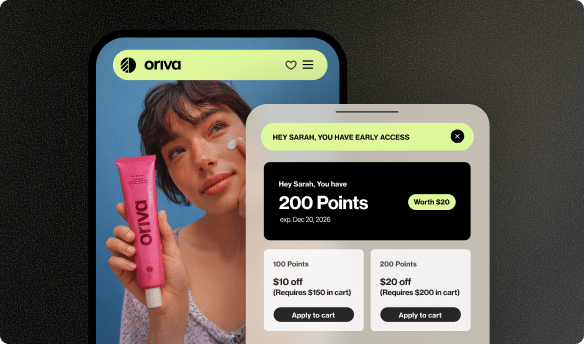
- Reminding About Rewards: An excellent way to re-engage inactive loyalty members is to remind them about their existing points balance or upcoming rewards. A message like “You have 500 points waiting! Use them for a discount on your next purchase” can be a powerful motivator. (Explore Yotpo Loyalty and its use cases).
- Exclusive Benefits: Loyalty programs can offer special access or discounts only for members. Reminding inactive members of these exclusive perks can make them feel special and eager to return to take advantage of them. This is key to building an enterprise loyalty program.
- Tiered Programs: Loyalty programs can have different levels, like “Bronze,” “Silver,” and “Gold.” If an inactive customer is close to reaching a higher tier with better rewards, a reminder can encourage them to make another purchase and unlock those new benefits. (Learn about loyalty rewards program software).
- Building Community: Loyalty programs foster a sense of belonging. When customers feel like they’re part of a special community, they’re more likely to stay engaged and return, even if they’ve been inactive for a bit.
Yotpo Loyalty creates a structured way for businesses to show appreciation to their customers, giving them clear reasons and exciting incentives to come back and shop again.
Synergy Between Reviews and Loyalty
While Reviews and Loyalty are powerful on their own, they can also work together beautifully to boost re-engagement. Imagine this:
- A customer writes a review about a product they loved.
- For writing that review, they earn points in the loyalty program (a feature Yotpo Loyalty can enable).
- Now, the customer has points! They’ll be more likely to return to the store to use those points for a discount on a new purchase.
- When they make that new purchase, they might then write another review, earning more points, and so the cycle continues!
This creates a fantastic loop where customers are rewarded for engaging with the brand through reviews, and those rewards bring them back for more purchases. It’s a natural way to keep customers active and excited about a brand.
Tips for a Super Successful Re-engagement Campaign
To make sure your “come back” messages hit the mark and bring those customers back, here are some top tips:
- Be Clear and Simple: Your message should be easy to understand. Don’t use big, confusing words. Get straight to the point and make it obvious what you want them to do.
- Offer Something Great: What’s in it for them? A discount, early access to new products, free shipping? Make the offer compelling enough to make them want to come back.
- Personalize Everything: Use their name, mention products they’ve looked at before, or refer to their past purchases. This makes the message feel like it’s just for them, not for everyone.
- Don’t Overdo It: Sending too many messages can annoy people. Find a good balance – enough to remind them, but not so much that they get tired of hearing from you.
- Test and Learn: Try different messages, different offers, and different timings. See what works best by looking at the results. Then, use what you learn to make your next campaign even better.
- Make it Easy: Once they click on your message, make sure the path back to buying is super smooth. No complicated steps or broken links. Make it a breeze for them to return and complete their purchase.
- Use Visuals: Pictures and videos are powerful! Show exciting images of products, happy customers (perhaps from visual UGC), or what they’re missing out on. A picture can tell a thousand words and grab attention instantly.
Following these tips can turn a simple reminder into a powerful invitation that customers will be happy to accept.
What Happens if Re-engagement Doesn’t Work?
Even with the best planning and the coolest offers, not every re-engagement campaign will bring back every inactive customer. And that’s perfectly okay!
Sometimes, customers have moved on for reasons a business can’t control. Maybe their needs changed, or they found a different product somewhere else. It’s important for businesses not to get discouraged. Instead, they should focus on learning from what happened:
- Analyze the Data: If a campaign didn’t work, businesses should look at why. Did people open the message but not click? Did they click but not buy? This tells them where the message might have fallen short.
- Refine the Strategy: Based on what they learn, businesses can adjust their approach for future campaigns. Maybe they need a different offer, a new message, or to target a slightly different group of customers.
- Focus on the Engaged: While re-engagement is great, it’s also important to focus on customers who *are* currently active and engaged. Nurturing those relationships ensures a strong foundation for the business.
- Know When to Let Go: After several attempts, if a customer still isn’t responding, it might be time to stop sending them re-engagement messages. This saves the business time and resources, and it prevents annoying customers who simply aren’t interested anymore.
Re-engagement is an ongoing process of trying, learning, and improving. It’s about being smart with resources and always striving to build the best possible connections with customers.
Conclusion
So, what have we learned about re-engagement campaigns? They are like friendly reminders from your favorite online store, inviting you back when you’ve been away for a while. These campaigns are super important for businesses because they help bring back customers who already know and (hopefully!) like them. It’s often much easier and more affordable to do this than to find a brand new customer from scratch.
From finding who’s “missing” to crafting special messages and seeing if they worked, re-engagement campaigns have clear steps. Tools like Yotpo’s Reviews and Loyalty products are fantastic helpers in this process. Yotpo Reviews helps by building trust and showcasing what others love, making inactive customers curious. Yotpo Loyalty encourages return visits by reminding customers of their points and special rewards. Together, they create a natural pull, making customers feel valued and excited to come back.
Ultimately, a successful re-engagement campaign is all about building and maintaining strong relationships with customers, making them feel remembered and appreciated, and giving them great reasons to stay connected with a brand they enjoy. It’s like keeping a good friendship alive – a little effort goes a long way!


 Join a free demo, personalized to fit your needs