








What is a Re-engagement Campaign?
Imagine you have a friend who used to visit your favorite online store often, but then they stopped coming by. A re-engagement campaign is like sending a friendly message to that friend, saying, “Hey, we miss you! Come back and see what’s new!” It’s a special plan businesses use to get customers who haven’t shopped in a while to come back and become active again. Think of it as a helpful nudge to remind them why they loved your brand in the first place.
Why Do We Need Re-engagement?
Why bother trying to bring back customers who have left? Well, it’s often much easier and cheaper to convince someone who already knows your brand to shop again than it is to find a brand new customer. Think about it: they already know your website, they might have bought something from you before, and they probably remember a good experience. They just need a little reminder or a fresh reason to return.
Keeping existing customers happy and active is super important for any business that wants to grow. Happy customers often buy more over time and even tell their friends about you! This is what we call customer retention, and it’s a big part of growing a successful business. You can learn more about how important this is by checking out our guide on 10 Ways to Improve Customer Retention.
Consider this: if you have customers who’ve already shown interest, perhaps even made a purchase, they’ve already taken the biggest step. They’ve trusted you with their money or their information. Reaching out to them isn’t about starting from scratch; it’s about rekindling a relationship. This strategy can save businesses a lot of time and money compared to constantly trying to find completely new customers.
Also, when customers come back, they often bring with them valuable insights. Did they leave because of a specific issue? Did they find a better deal elsewhere? By trying to re-engage them, businesses can sometimes uncover reasons for their inactivity, helping them improve for everyone. It’s a win-win situation where both the customer and the business benefit from renewed interaction.
Who Are We Trying to Re-engage?
Not all inactive customers are the same, are they? Just like your friends, they might have different reasons for being away. Businesses often look at a few groups:
- One-Time Buyers: These folks bought something once and then vanished. Maybe they just needed one item, or maybe they forgot about you. They experienced your brand but didn’t stick around.
- Shopping Cart Abandoners: These customers added items to their cart but never finished buying them. They were so close to making a purchase! Something stopped them right at the finish line.
- Past Loyal Customers: These were your biggest fans, but for some reason, they’ve stopped interacting. This group is often the most important to win back because they clearly loved your brand before and likely had a good experience.
- Newsletter Subscribers Who Don’t Open Emails: They signed up to hear from you, but now your emails just sit unread. They’re still interested, but something’s not quite clicking, or your messages aren’t standing out.
- Website Visitors Who Never Purchased: They browsed your products, spent time on your site, but never added anything to a cart or completed a purchase. They showed interest, but didn’t convert.
Knowing which group you’re talking to helps you send the right kind of message. You wouldn’t invite a friend who loves video games to a baking party if they’d rather be gaming, would you? Tailoring your approach to these different groups makes your re-engagement efforts much more effective.
Each group needs a unique approach because their journey with your brand paused at a different point. For instance, a cart abandoner might just need a gentle reminder or a small incentive, while a past loyal customer might need to see what’s new or feel appreciated for their past business. Understanding these differences is the first step to crafting a powerful re-engagement strategy.
How Do Re-engagement Campaigns Work?
Re-engagement campaigns usually follow a few simple steps. First, a business identifies customers who haven’t been active for a certain amount of time. This “inactive” period can vary greatly, depending on what the business sells. For a coffee shop, inactive might mean not visiting in a week; for a furniture store, it might be six months.
Then, they try to understand why these customers might have drifted away. Was it a bad experience? Did they just forget? Is a competitor offering something similar? Sometimes, businesses use surveys or look at past buying habits to guess the reason. They become detectives, trying to piece together the puzzle of inactivity.
Once they have an idea, the business crafts a special message designed to entice those customers back. This message might include a new product announcement, a special offer, or just a friendly “we miss you!” note. The key is to make this message compelling and relevant to the customer’s likely reason for leaving.
They then send this message through different channels, like email or social media. The choice of channel often depends on where the customer typically interacts with the brand or where they are most likely to see the message. Finally, they watch to see who comes back and try to learn what worked best so they can do even better next time. It’s like a scientific experiment to make customers happy! Every campaign provides valuable data that can inform future efforts, constantly refining the process to be more effective and personal.
Popular Ways to Re-engage Customers
There are many creative ways businesses try to get customers back. Let’s look at some common ones:
Email Campaigns
Sending an email is often the first thing businesses think of. These emails might have a subject line like “We Miss You!” or “Here’s What You’ve Been Missing!” They could offer a small discount, highlight new products, or ask for feedback. The trick is to make the email feel personal and inviting, not just like another advertisement. Many businesses use smart tools to make sure these emails go out at just the right time and with the perfect message.
Effective re-engagement emails often include a clear call to action, making it easy for the customer to know what to do next. Whether it’s clicking a link to browse new arrivals or responding to a survey, the path back to engagement should be frictionless. Sometimes, a series of emails, rather than just one, can be more effective, gently nudging the customer back over time with varied messages.
SMS Campaigns
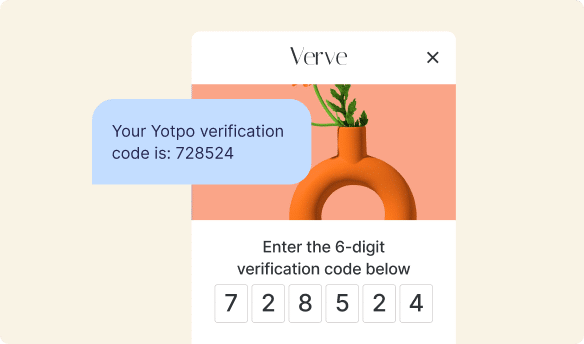
Short Message Service, or SMS, is another direct way to reach customers. Imagine getting a quick text message reminder about items left in your cart or a flash sale you might be interested in. These messages are short, to the point, and often grab attention quickly. They’re great for urgent offers or quick reminders, especially for customers who are highly responsive to mobile communications.
SMS campaigns work well because people typically check their text messages almost immediately. This makes them ideal for time-sensitive offers or last-minute reminders that might get lost in an email inbox. However, businesses must be careful not to overdo it, as too many messages can quickly become annoying and lead to opt-outs.
Social Media Retargeting
Have you ever visited a website and then seen ads for that same website pop up on Facebook or Instagram? That’s social media retargeting! Businesses can show specific ads to people who have visited their site but haven’t bought anything, or to those who used to be active. It’s a gentle reminder to come back and finish what they started, or to see new things they might like, catching them where they spend a lot of their online time.
This method leverages the power of social platforms to re-engage users who have already shown interest. The ads can be highly customized, showing specific products the customer viewed or similar items. It keeps the brand top-of-mind without being overly intrusive, often feeling more like a helpful suggestion than a direct sales pitch.
Website Personalization
When you return to a website and it remembers what you liked last time, showing you similar items or your past searches, that’s personalization. If a business knows you bought dog toys before, they might show you new dog toys or related items like dog food when you revisit. This makes the shopping experience feel special and tailored just for you, making you more likely to stick around.
Personalized website experiences can make customers feel understood and valued. By dynamically adjusting content based on past behavior, interests, or even geographical location, businesses can make their site feel more relevant. This not only encourages re-engagement but also improves the overall user experience, making customers feel like the brand truly knows them.
Loyalty Programs
Loyalty programs are fantastic for re-engagement. If a customer hasn’t bought in a while, a business might remind them about the points they’ve collected or a special reward they’re close to earning. Perhaps they’ll offer bonus points for their next purchase. These programs make customers feel valued and give them a clear reason to come back and keep earning rewards. Yotpo’s Loyalty solution helps businesses build these kinds of programs, turning one-time buyers into lifelong fans and bringing back those who’ve strayed. You can explore some of the best loyalty programs out there to see how they work.
A well-designed loyalty program offers continuous value beyond just the initial purchase. It creates a sense of community and exclusivity, making customers feel like they are part of something special. For inactive customers, a reminder of their accumulated points or a new perk can be a powerful incentive to revisit and utilize their benefits, ensuring they don’t miss out on rewards they’ve already earned or are close to achieving.
Customer Reviews and User-Generated Content
What do other people think about a product? Real customer reviews and photos (which we call User-Generated Content, or UGC) can be super convincing. If someone hasn’t bought from you in a while, showing them fresh, positive reviews of your products can remind them of your quality and build trust. Imagine seeing a picture of someone just like you loving a product you considered buying! Businesses use tools like Yotpo’s Reviews solution to collect and display these powerful testimonials, which can be a huge motivator for inactive customers to return. Reading about other people’s good experiences can often be the push someone needs to come back and make a purchase. Learn more about how UGC impacts consumer decisions.
UGC, especially reviews and visual content, provides social proof. It’s a way for potential customers to see themselves using the products through the eyes of others. For re-engagement, this is crucial because it rebuilds trust and reminds inactive customers of the positive reputation and quality associated with the brand. It shows them that other people are actively buying and enjoying the products, making them feel more confident in returning to make a purchase themselves.
Steps to Create a Great Re-engagement Campaign
Creating a successful re-engagement campaign isn’t just about sending a quick message. It involves some thoughtful planning.
- Identify Inactive Customers: First, you need to know who you’re trying to reach. What does “inactive” mean for your business? Is it someone who hasn’t bought in 3 months? 6 months? A year? Tools help businesses find these groups easily by tracking customer activity.
- Figure Out Why They Left: This is like being a detective! Did they stop opening emails? Did they view a product but not buy? Did they buy a specific item and might need a refill? Understanding the “why” helps you tailor your message and ensures you’re addressing the root cause of their inactivity.
- Pick Your Message and Offer: This is where creativity comes in! Will you offer a discount, free shipping, or access to a new product before anyone else? Or will you just send a warm, friendly “hello, we miss you” message? The offer should be exciting enough to grab their attention and provide a clear benefit for returning.
- Choose the Right Channels: Where will you send your message? Email, SMS, social media, or perhaps a mix of all three? Different channels work best for different kinds of messages and different customer groups, so pick the one most likely to reach and resonate with your target audience.
- Test and Improve: Don’t just set it and forget it! Run small tests. Send slightly different messages to different groups and see which ones work best. Did more people respond to a “20% off” offer or a “free gift” offer? Learning from these tests helps you make your future campaigns even better. This ongoing improvement is key to boosting your ecommerce conversion rate.
By following these steps, businesses can move beyond guesswork and create re-engagement campaigns that are not only well-planned but also adaptable and continually improving. It’s an iterative process that benefits from careful observation and adjustment, ensuring that each effort is more effective than the last.
Measuring Success: How to Know if Your Campaign Worked
How can a business tell if their re-engagement efforts are paying off? They look at specific numbers, called metrics. These metrics provide clear, measurable insights into the performance of each campaign, helping businesses understand what worked and what didn’t.
| Metric (What We Measure) | What It Tells Us |
|---|---|
| Open Rate | How many people actually opened your email or SMS message? A high open rate means your subject line or preview text was compelling. |
| Click-Through Rate (CTR) | How many people clicked on a link inside your message to go back to your website? A strong CTR indicates that your message’s content and offer were engaging. |
| Conversion Rate | How many of the people who received your message actually made a purchase after clicking through? This is the ultimate goal, showing direct revenue generation. |
| Return on Investment (ROI) | Did the money you spent on the campaign bring in more money than it cost? A positive ROI means the campaign was financially successful. |
| Customer Retention Rate | Are more customers staying active over a longer period because of your efforts? This shows long-term success and the true impact on customer loyalty. |
| Average Order Value (AOV) | Did re-engaged customers spend more or less than typical customers? This can indicate the quality of their re-engagement. |
By keeping an eye on these numbers, businesses can clearly see what’s working and what needs tweaking. It’s like checking your report card to see how well you’re doing in school! Tracking these metrics allows businesses to make data-driven decisions, optimizing their strategies for maximum impact and ensuring their efforts lead to genuine customer reactivation and lasting relationships.
The Power of Reviews and Loyalty in Re-engagement
We’ve talked about general re-engagement, but let’s dive into two super powerful tools that Yotpo offers to make these campaigns shine: customer reviews and loyalty programs.
Customer Reviews: Building Trust and Excitement
Imagine you’re thinking about trying a new snack. If your friend tells you it’s amazing, you’re more likely to try it, right? Customer reviews work in a similar way. When customers see honest feedback from other people who have bought and loved a product, it builds trust. For someone who hasn’t shopped in a while, seeing a flood of positive, fresh reviews can spark their interest again.
Businesses can use Yotpo’s Reviews solution to:
- Collect new reviews: Actively ask recent buyers for their thoughts. New reviews keep your products looking fresh and popular, providing continuous social proof. Find out how to ask customers for reviews effectively.
- Display reviews prominently: Show off those great reviews on product pages, in emails, or even on social media. This reminds inactive customers of the quality and popularity of your offerings, prompting a return visit.
- Feature user photos and videos: Seeing real people using and enjoying products is incredibly powerful. Visual content can make a huge difference, making products more tangible and appealing. You can explore the benefits of visual UGC for your brand.
By showcasing authentic customer experiences, businesses can reignite interest and remind inactive customers of the great products and community they might be missing. These reviews act like silent salespeople, always working to build confidence and encourage purchases. They also help improve your ecommerce product reviews strategy by keeping your content fresh and relevant.
Reviews are more than just feedback; they are a conversation between customers and a brand. By actively managing and displaying these conversations, businesses create a vibrant ecosystem where trust flourishes. This trust is invaluable when trying to re-engage someone who has been away, offering them a reassurance that your brand still delivers quality and satisfaction.
Loyalty Programs: Giving Reasons to Return
A loyalty program is like a special club for your best customers. It rewards them for every purchase and interaction. For re-engagement, these programs are incredibly effective because they give customers tangible reasons to come back and pick up where they left off.
Yotpo’s Loyalty solution helps businesses:
- Remind customers of earned points: “Hey, you have 500 points waiting! That’s enough for a free gift or a discount on your next order.” This is a powerful motivator, as it highlights existing value the customer possesses.
- Offer special re-engagement bonuses: Businesses can give extra points or a unique discount to inactive members to encourage them to come back and reach a new reward tier. This provides a clear, tangible benefit that incentivizes immediate action.
- Create VIP tiers: Customers might be close to unlocking a higher tier with even better perks, such as exclusive early access to products or special discounts. Reminding them of this potential upgrade can be a strong incentive to start shopping again and achieve that status. Learn more about how loyalty can boost your business.
Loyalty programs make customers feel appreciated and give them a clear pathway to more benefits. They shift the focus from a single purchase to a long-term relationship, which is exactly what re-engagement aims for. It’s not just about a sale; it’s about building a lasting connection by continuously demonstrating value and recognition for their patronage.
For inactive customers, the potential of a loyalty program can rekindle their interest by offering future rewards and a sense of belonging. It’s a compelling way to show them that their business is missed and truly valued, making their return feel like a return to a rewarding experience rather than just another transaction.
Working Together: Reviews and Loyalty for Maximum Impact
Imagine getting an email that says, “We miss you! You have 500 loyalty points ready to use, and check out these amazing new reviews for the product you looked at last month!” That’s the power of combining these tools.
When businesses use Reviews and Loyalty together, they create a stronger pull. The trust built by authentic reviews, combined with the clear, exciting benefits of a loyalty program, can be an unbeatable combination for bringing customers back. It’s like having two friends vouch for a fun activity, making you even more excited to join in! This synergy helps build a more robust ecommerce customer experience by addressing both the emotional and rational reasons for purchasing.
The combination creates a holistic re-engagement strategy. Reviews tackle the initial hesitation or lack of trust, while loyalty programs provide a tangible, ongoing incentive. Together, they form a powerful one-two punch that can effectively remind customers why they loved your brand and give them compelling reasons to return and stay.
Tips for Super Successful Re-engagement
Want to make your re-engagement campaigns truly shine? Here are a few expert tips:
- Be Personal: Address customers by name. Refer to their past purchases or interests if you can. A personal touch makes a big difference and shows you remember them, not just their email address.
- Offer Value: Give them a good reason to come back. A simple “hello” might not be enough. A discount, a special offer, or exclusive access usually works better because it provides a clear, immediate benefit.
- Keep it Simple: Don’t make your message too complicated. Get straight to the point and make it easy for them to take the next step. Confusing messages lead to frustrated customers who simply give up.
- Don’t Give Up Too Soon (But Don’t Annoy Them): If they don’t respond to the first message, try a different one after a while. But don’t bombard them with messages every day – that’s a quick way to get them to unsubscribe! Find a balance between persistence and respect.
- Listen to Feedback: If you ask customers why they left, and they tell you, really listen! Use that information to make your products or service better for everyone. This shows you care and are willing to improve.
- Highlight What’s New: Did you launch a cool new product? Did you improve your website? Did you add new features? Show them what they’re missing and give them fresh reasons to explore your brand again.
- Segment Your Audience: Remember those different types of inactive customers? Send different messages to each group. A one-time buyer might need a different incentive than a previously loyal customer.
- Clear Call to Action: Every re-engagement message needs a clear, prominent call to action. What do you want them to do? “Shop New Arrivals,” “Claim Your Points,” or “Tell Us What You Think” – make it obvious!
By keeping these tips in mind, businesses can craft re-engagement strategies that are not only effective in bringing customers back but also in strengthening their relationship with the brand for the long term.
Conclusion
So, what is a re-engagement campaign? It’s a clever and friendly way for businesses to reach out to customers who have drifted away, reminding them of the value and good experiences they once shared. By understanding why customers leave and by using smart tools and strategies like compelling customer reviews and exciting loyalty programs, businesses can welcome these customers back with open arms.
It’s all about building lasting relationships and making sure every customer feels special. Keeping customers engaged isn’t just good for business; it creates a community of happy shoppers who love what you do. It’s a key part of your ecommerce growth model, helping brands thrive by nurturing the relationships they’ve already started. By focusing on thoughtful outreach and providing real value, businesses can turn inactive customers into enthusiastic advocates, ensuring continued success and growth.


 Join a free demo, personalized to fit your needs