









What is a POP? (What is a Point of Purchase?)
Imagine you’re walking through a store, looking for a cool new toy. Suddenly, you see a colorful display right next to the checkout counter, showing off the exact toy you wanted, maybe even with a “buy one, get one half off” sign! That special spot, with that exciting display, is what we call a Point of Purchase, or POP for short.
A POP is any place or moment where a shopper makes the decision to buy something. It’s not just about paying; it’s about the “aha!” moment when you decide, “Yes, I want that!” Stores use POPs to grab your attention, remind you of what you need, or even introduce you to something new and exciting right when you’re ready to open your wallet.
Understanding the “Point of Purchase”
The idea behind a Point of Purchase is pretty simple: it’s where a product meets its potential buyer, and the magic of deciding to buy happens. Think of it as a special stage set up by a store to help you make your final choice. This “stage” can be in many different places, both when you’re shopping in a real store and when you’re looking online.
For example, if you’re in a grocery store, that big pyramid of apples right at the front entrance? That’s a POP! Or what about the candy bars lined up perfectly next to the cashier? Yep, those are POPs too. These displays are placed in just the right spots to catch your eye and make you think, “Hmm, maybe I do need that!”
Where Do POPs Happen?
POPs are everywhere! They’re designed to be seen at crucial moments when you’re thinking about buying something. They can be found in a few key places:
- Right when you walk in: Stores want to make a good first impression and show you their best deals or newest items.
- In the middle of an aisle: Maybe you’re looking for cereal, but then a special display for a new snack catches your eye.
- At the end of an aisle (called an “end cap”): These are prime spots for showing off popular items or special offers.
- Near the changing rooms: If you’re trying on clothes, a display of accessories might inspire you to complete your look.
- At the checkout counter: This is one of the most famous POP spots, perfect for last-minute grabs like gum or magazines.
In the online world, it’s a bit different, but the idea is the same. A POP online could be when you’re looking at a product page, or when you add something to your shopping cart and see recommendations for other items you might like. It’s all about helping you make that buying decision.
The Big Idea: Influencing Decisions
At its heart, a POP is all about helping you, the shopper, decide. Stores want to make it easy and exciting for you to pick out items. They use clever ways to show off products, like bright colors, interesting signs, or even little samples you can try. It’s like a friendly nudge that says, “Hey, check this out! It might be exactly what you’re looking for.” By making products look good and easy to get, POPs play a huge role in how we choose what to buy.
Why POPs are Super Important for Stores
POPs aren’t just pretty decorations; they’re powerful tools for stores. They help businesses sell more products and make shoppers happy. Think about it from a store’s point of view: they have lots of things to sell, and they want to make sure you notice them and feel good about buying them. That’s where POPs shine!
Catching Attention
In a busy store or on a crowded website, it’s easy for things to get lost. POPs act like a spotlight, drawing your eyes to specific products. A bright sign, a unique display, or even a video playing can make a product stand out from everything else around it. This is super important because if you don’t notice a product, you definitely won’t buy it.
Helping Customers Choose
Sometimes, we go shopping knowing exactly what we want. Other times, we’re just browsing, or we might be trying to choose between similar items. POPs can give us that extra bit of information or encouragement we need. Maybe a sign highlights why one toy is better than another, or a display shows how a product works. This little bit of help can make a big difference when you’re trying to decide.
Making Sales Happen
This is the main goal for stores! By catching your attention and helping you choose, POPs directly lead to more sales. Imagine you picked up a new video game, and as you’re heading to the checkout, you see a display for a matching controller. You might think, “Oh yeah, I’ll need that!” and add it to your basket. That’s a successful POP in action, creating an extra sale that might not have happened otherwise.
Building Trust
When you see a product displayed nicely, with clear information and maybe even positive messages about it, you start to feel more confident. If other people seem to like it, or if a display clearly shows its benefits, you’ll trust the product more. This trust is really important because people like to buy things they feel good about.
Different Kinds of POPs You Might See
POPs come in all shapes and sizes, depending on whether you’re in a physical store or shopping online. But they all share the same goal: to make you stop, look, and want to buy!
In-Store POPs
These are the kinds of POPs you can touch and see in person. Stores get really creative with them!
- Display Stands: These are often custom-made stands that hold products and have colorful pictures or words. Think of a big cardboard stand shaped like a juice box, holding lots of juice boxes.
- Signs and Posters: Simple but effective! A sign can tell you about a sale, a new product, or a special feature. These are often hung from ceilings or placed next to products.
- Product Demonstrations: Sometimes, a person will be in the store showing you how a blender works, or letting you taste a new snack. Seeing a product in action can make you really want it!
- End Caps: As we talked about, these are the displays at the very end of a shopping aisle. They’re like mini-billboards in the store, often featuring sale items or popular new arrivals.
- Checkout Displays: These are the smaller items right next to the cash register. They’re perfect for impulse buys – things you might grab at the last minute, like candy, gum, or small toys.
Online POPs
Shopping online is a bit different, but websites still use smart ways to create POPs. They want to make your decision easy and fun, even without physical displays.
- Product Pages on Websites: When you click on a product, its page is a huge POP. It has pictures, descriptions, and often videos. A good product page makes you feel like you know everything about the item.
- Shopping Carts: When you add something to your cart, sometimes the website will suggest other items you might like, like “Customers who bought this also bought…” This is a subtle POP.
- Checkout Pages: Just before you pay, you might see a small offer for a related item or a reminder of a special deal. It’s the online version of those candy bars at the checkout.
- Pop-up Messages: Sometimes a small window might pop up on a website, offering a discount or suggesting a new product. If it’s done nicely, it can be a helpful POP!
- Product Recommendations: Websites use smart computer programs to suggest things you might like based on what you’ve looked at before. These recommendations are powerful online POPs.
Making POPs Work Better: Smart Strategies
For POPs to truly help stores and shoppers, they need to be smart and engaging. It’s not just about putting a product anywhere; it’s about putting it in the right place, at the right time, with the right message. Let’s look at how stores make their POPs super effective.
Making Products Stand Out
The first step is always to get noticed. If a POP is boring, nobody will look at it. So, stores focus on making their displays attractive:
- Great Visuals: Bright colors, cool pictures, and neat arrangements make products look appealing. Imagine a display with a perfect, shiny apple versus a dull, plain apple. Which one would you rather pick?
- Clear Information: Signs should be easy to read and quickly tell you why a product is great. No one wants to read a tiny paragraph in a busy store.
- Special Offers: A “Sale!” sign or “Limited Time Only!” sticker can grab attention and encourage you to buy right away.
Building Trust at the Moment of Decision
Even if a product looks great, you still want to feel good about buying it. This is where trust comes in. What do other people think? Are they happy with their purchase? This is incredibly important, especially when you’re online and can’t physically touch the product.
The power of what others say, often called User-Generated Content (UGC), is huge here. When real customers share their experiences, photos, or videos, it builds a lot of trust. Imagine seeing a toy on a shelf, and next to it, a small screen showing kids actually playing with it and smiling. Or online, seeing lots of happy reviews from other parents about that toy. This kind of real-life feedback makes you feel much more confident in your choice.
Reviews, in particular, matter a lot. They’re like getting advice from a friend who already bought the item. Stores use tools like Yotpo Reviews to help them collect and show off what real customers think. Imagine being on a product page and seeing a bunch of five-star ratings and comments like “This is the best toy ever!” right when you’re about to click “Add to Cart.” That confidence boost is a powerful POP. Asking for reviews cleverly can really boost this trust at the crucial buying moment.
Encouraging Repeat Visits and Loyalty
Once a customer buys something, stores want them to come back! POPs can also play a role in this by reminding customers about special programs or benefits. This is all about making customers feel special and appreciated, so they choose that store again and again.
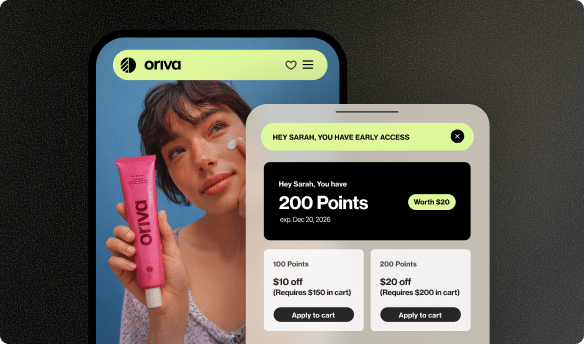
Think about rewards programs. You earn points for every purchase, and those points can turn into discounts or freebies later. Stores use loyalty programs to say “thank you” for your business and give you a reason to return. For example, a sign at the checkout might say, “Join our loyalty program and get 10% off your next purchase!”
Tools like Yotpo Loyalty help stores create these fun and rewarding experiences. They let businesses set up systems where you can earn points, unlock special perks, and even get birthday treats. These programs are designed to keep you engaged and excited to shop with them again, turning a one-time buyer into a loyal friend of the brand. There are many examples of great loyalty programs out there that make shopping even more rewarding.
The Difference Between POP and POS (Point of Sale)
These two terms sound similar, but they mean different things! It’s important to understand the difference because they happen at different points in your shopping journey.
POP: Where You Decide to Buy
As we’ve discussed, the Point of Purchase (POP) is all about the moment of decision. It’s where you see the product, learn about it, feel excited about it, and finally make up your mind that you want to own it. It’s the mental process of selecting an item and committing to its purchase.
Think of it like this: you’re browsing for shoes. You see a cool pair on a special display with a sign explaining how comfy they are. You pick them up, try them on, and decide, “Yes, these are the shoes for me!” That entire experience, from seeing the display to making the decision, is the POP.
POS: Where You Pay for It
The Point of Sale (POS), on the other hand, is the actual spot where you complete the transaction. This is where you hand over your money, swipe your card, or tap your phone. It’s the physical location where the sale is officially recorded and you become the owner of the item.
Using the shoe example: after you decide on the shoes, you take them to the cashier. The cashier scans them, tells you the price, you pay, and they give you a receipt. That cash register, or the online checkout page where you enter your payment details, is the POS.
Here’s a quick table to help you remember the difference:
| Feature | Point of Purchase (POP) | Point of Sale (POS) |
|---|---|---|
| What happens? | Decision to buy is made | Transaction is completed (payment) |
| Where? | Anywhere in the store, on a product page, in a shopping cart | Cash register, self-checkout, online payment page |
| Goal? | Influence choice, build desire, encourage purchase | Process payment, record sale |
| Examples | Display stand, product reviews, loyalty program sign-up | Cash register, card reader, online payment gateway |
So, you see, a POP helps you decide what to buy, and a POS helps you actually buy it. They are both super important parts of shopping!
POP in the Digital World: eCommerce Examples
Shopping online has changed a lot of things, but the idea of a Point of Purchase is still just as powerful. In fact, online stores use many clever ways to create digital POPs to help you make your choices.
Product Pages and Detailed Descriptions
When you click on an item in an online store, you land on its product page. This page is like the ultimate digital POP! It’s designed to give you all the information you need and make you excited about the product. You’ll see:
- Big, clear pictures, sometimes even videos.
- Detailed descriptions explaining what the product does and why it’s great.
- Information about sizes, colors, and materials.
- And often, the most important part: what other customers think!
User-Generated Content (UGC) as a Powerful POP Tool
Online, stores can’t have someone demonstrating a product in front of you. So, they rely on User-Generated Content (UGC). What is User-Generated Content (UGC)? It’s simply content – like photos, videos, or written reviews – created by real people who have used the product. This is incredibly powerful at the point of decision.
Imagine you’re looking at a new backpack online. A picture from the company might show it looking perfect. But then, you scroll down and see photos submitted by other kids wearing the backpack to school, showing how much stuff it can hold, and how cool it looks in real life. Those genuine photos and videos from other customers are strong POPs! They prove that the product is good and that real people like it.
Yotpo Visual UGC helps stores collect and display these amazing customer photos and videos right on their product pages or in their online galleries. Seeing someone just like you enjoying a product can be the final push you need to make a purchase. It makes the product feel more real and trustworthy.
Checkout Process as a Final POP Opportunity
Even after you’ve added items to your cart, the online checkout process can still be a POP. Before you finalize your payment, you might see:
- Suggestions for “related items” or “things you might have forgotten.”
- A reminder about your loyalty points or a special discount code.
- Clear, reassuring messages about shipping, returns, and customer service.
All of these elements work together to make sure you feel confident and happy as you complete your purchase, aiming to improve the conversion rate, which means more people who visit the site actually buy something.
Tips for Making POPs Awesome
Whether it’s in a real store or online, there are some golden rules for making POPs truly effective. These tips help stores connect with shoppers and make the buying experience better for everyone.
Keep it Simple and Clear
Nobody wants to spend a long time trying to understand a confusing display or a complicated product description. Great POPs use simple words, big fonts, and clear messages. They get straight to the point, telling you exactly why you should consider that product. If you have to squint or read something twice, it’s probably not a good POP.
Make it Exciting
A POP should capture your imagination! This could be with bright colors, interesting shapes, or even a little bit of humor. For online stores, this means engaging videos, fun animations, or interactive elements. The more exciting a POP is, the more likely you are to stop and take notice.
Show, Don’t Just Tell
It’s one thing to read that a toy is “fun,” but it’s another thing to see a video of a child laughing while playing with it. Good POPs use visuals – pictures, videos, or even the product itself – to demonstrate why it’s great. This is especially true for Visual User-Generated Content, where real people show off the product in action, making it much more convincing.
Think About the Customer’s Journey
Stores need to imagine what it’s like to be a shopper. What questions might you have? What worries might you have? A great POP anticipates these things and provides answers. For example, if you’re looking at a new snack, a POP might highlight if it’s healthy or allergen-free. If you’re buying online, seeing customer reviews that address common questions can be super helpful.
The Future of POPs
The world of shopping is always changing, and POPs are changing with it! As technology gets smarter and our ways of shopping evolve, so too will the ways stores try to help us make our buying decisions.
More Personalization
Imagine walking into a store, and a display somehow knows you love superheroes and shows you a new superhero action figure. Or, imagine an online store that only shows you products and reviews that are perfect for your age and interests. This kind of super-specific recommendation, called personalization, is becoming more common. It makes POPs feel like they were made just for you!
Using Smart Tech
New technologies like augmented reality (AR) or virtual reality (VR) might bring POPs to life in amazing ways. You might be able to “try on” clothes virtually or see how a new piece of furniture would look in your room, all before you buy it. In stores, smart screens could show you customized recommendations or even tell you where to find an item you looked at online. This blends the physical and digital shopping worlds, making the decision-making process even more interactive.
Focus on Customer Experience
Ultimately, the future of POPs is all about making the shopping experience even better and more enjoyable for you. Stores want you to feel happy, confident, and excited about your purchases. This means creating POPs that not only help you decide but also build a positive feeling about the brand itself. A big part of this is building a great customer experience through things like easy-to-find information, helpful reviews, and rewarding loyalty programs.
Conclusion
So, what is a POP? It’s much more than just a display. It’s that special moment and place where you, the shopper, decide that you really want something. It’s where products come to life, capture your attention, and help you make your final choice. From colorful signs in a supermarket to glowing reviews on a website, POPs are constantly working to make your shopping journey easier and more exciting.
For stores, POPs are essential for connecting with customers, building trust, and making sales. Tools that help gather and display what other customers think, like Yotpo Reviews, are becoming super important in making strong POPs. And offering rewards and making customers feel valued through programs powered by Yotpo Loyalty ensures that shoppers not only buy but also come back again and again. Next time you’re shopping, keep an eye out for these clever Points of Purchase – you’ll see them everywhere!


 Join a free demo, personalized to fit your needs