



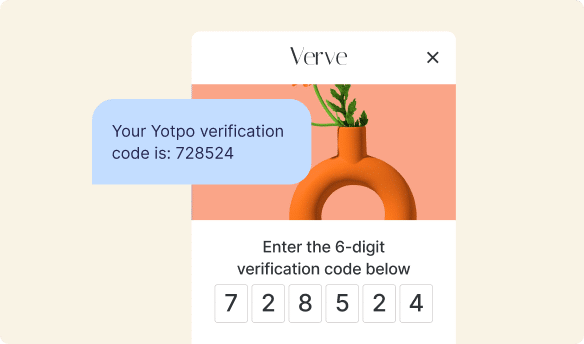









Imagine you have a lemonade stand. When someone buys a glass, you might ask them, “Did you like it? What kind of flavor do you like best?” You’re collecting information directly from your customers, right? This direct information is like a secret superpower for your business. In the big world of online shopping, we call this special superpower first-party data, and having a plan for it is called a first-party data strategy.
Think of it as knowing your friends really well because they tell you things directly. This article will help you understand why knowing your customers directly is so important and how businesses, especially online stores, make a plan to do it.
What is First-Party Data, Really?
First-party data is simply information that a business collects straight from its own customers. It’s like finding clues about what people like directly from them, instead of hearing it from someone else. It’s data that your business owns and controls, making it very trustworthy and special.
What Kind of Information Counts as First-Party Data?
- Email addresses and names: When you sign up for a newsletter.
- Purchase history: What you bought, when you bought it, and how much you spent.
- Website visits: Which pages you looked at on a store’s website, what you clicked on, and how long you stayed.
- Loyalty program sign-ups: Information shared when you join a club that gives you special rewards.
- Customer reviews and feedback: What you say or write about a product or your shopping experience.
- Information from surveys: Answers to questions a business asks you directly.
This is different from “third-party data,” which is information a business buys from other companies. That kind of data is becoming less common because people want more privacy online. So, collecting your own first-party data is like having your own unique map to understanding your customers, and it’s becoming the best way to connect with them.
Why is First-Party Data So Important Now?
The online world is changing, and fast! People are becoming more concerned about their privacy, and new rules are being made to protect their information. This means that old ways of collecting data, like using “cookies” that track you all over the internet, are slowly going away. For businesses, this is a big deal.
Think about it: if you can’t rely on getting information from other sources, you need to rely on what you collect yourself. That’s why a strong first-party data strategy is like having your own secret recipe for success. It helps you understand how your customers make decisions and what they truly care about.
Here’s why it’s a game-changer:
- Trust and Privacy: When you collect data directly, customers know exactly who has their information and why. This builds trust. When you’re honest about what you collect and how you use it, customers feel safer sharing with you.
- Accuracy: Your own data is usually the most accurate. It comes straight from the source – your customer! This means fewer mistakes and better insights into what they truly want.
- Uniqueness: The data you collect from your customers is unique to your business. No one else has the exact same information about your shoppers. This gives you a special advantage.
- Better Connections: By understanding your customers deeply, you can give them better shopping experiences, recommend products they’ll love, and make them feel truly special.
So, instead of guessing what customers might like, businesses can look at their first-party data and know for sure. It’s like having a superpower that lets you read your customers’ minds (in a good, ethical way!).
Building Your First-Party Data Strategy: The ABCs
A first-party data strategy isn’t just about collecting information; it’s a whole plan for how you collect, organize, and use that information to make your customers happier and your business stronger. It’s like having a super organized binder for all your important customer notes, making sure every piece of information has a purpose.
A. Collecting Data Directly from Customers
The first step is figuring out all the ways you can gather information directly from your customers. Remember, always be clear and ask for permission!
- Website Interactions: When customers visit your website, what pages do they look at? What products do they click on? Do they add items to their cart but not buy them? This tells you a lot about their interests.
- Purchase History: Every time a customer buys something, that’s valuable first-party data. What did they buy? How much did it cost? How often do they shop? This helps you understand their buying habits.
- Loyalty Programs: These are fantastic for gathering consistent information. When customers join a loyalty program, they often share their name, email, birthday, and preferences in exchange for rewards. Yotpo Loyalty helps you create exciting reward programs that encourage customers to share their preferences and engage with your brand, giving you valuable first-party data. It’s a great way to deepen customer relationships and gather insights. You can learn more about some of the best loyalty programs out there and see how Yotpo Loyalty can be used to supercharge these efforts.
- Reviews and User-Generated Content (UGC): When customers leave reviews, share photos, or create videos about your products, they’re providing extremely rich first-party data. They’re telling you exactly what they think and how they use your products. Yotpo Reviews is a fantastic tool for collecting this kind of direct feedback. When customers write about their experience or upload a picture of your product, they’re not just helping other shoppers; they’re also giving you precious insights into what they love (or don’t love!). You can even learn how to ask for customer reviews effectively to gather more of this valuable user-generated content, including visual UGC like photos and videos.
- Newsletters and Account Sign-ups: When someone gives you their email for a newsletter or creates an account, that’s direct permission to communicate and understand their interests.
- Surveys and Polls: Sometimes, the simplest way is just to ask! Direct surveys can give you specific answers to questions about preferences or satisfaction.
B. Organizing and Understanding Your Data
Once you’ve collected all this information, it’s like having a huge pile of puzzle pieces. You need to organize them to see the whole picture. Businesses use special tools to keep track of each customer’s information in one place, creating a detailed “customer profile.”
This organized data can tell you many things:
- Which products are most popular.
- How often a certain customer shops.
- What kinds of things make a customer happy or unhappy.
- If a customer is likely to buy again soon.
Without good organization, all that valuable data would just be a mess, and you wouldn’t be able to use your superpower effectively.
C. Using Your Data Wisely
This is where the magic happens! Once you have your organized first-party data, you can use it to create amazing experiences for your customers and make smart decisions for your business.
- Personalized Shopping: Imagine an online store that knows you love adventure books. Instead of showing you cooking books, it immediately highlights new adventure releases. That’s personalization powered by first-party data.
- Better Customer Service: If a customer calls with a question, knowing their past purchases or website activity helps the customer service team help them much faster and better.
- Building Stronger Loyalty: When you use data to offer special discounts on their favorite items or celebrate their birthday, customers feel valued and are more likely to stay loyal to your brand. Building customer retention is key, and a good ecommerce customer experience starts with understanding your customer.
- Improving Products: If many customers leave reviews saying a certain product could be improved, you can use that first-party data to make a better product.
Having a well-thought-out plan for collecting, organizing, and using first-party data helps businesses create a fantastic shopping experience for everyone.
The Superpowers of First-Party Data
Think of first-party data as giving businesses several amazing superpowers that help them connect better with their customers and grow stronger. These powers are all about understanding and responding to what customers truly need and want.
Making Shopping More Fun and Personal
Imagine walking into your favorite toy store, and the shopkeeper immediately shows you the new LEGO sets because they remember you love building things. That’s what first-party data helps online stores do! It allows them to:
- Recommend the Right Products: If you always buy running shoes from a store, they’ll know to show you new running shoe arrivals or gear for runners. This makes your shopping experience much quicker and more enjoyable.
- Offer Special Deals: A store might send you a discount on your favorite brand because their data shows you buy it often. This feels much more special than a random coupon.
- Remember Your Preferences: From your size to your favorite color, first-party data helps stores remember these details so you don’t have to fill them in every time.
This personalization makes customers feel understood and cared for, turning shopping from a chore into a delightful experience.
Building Stronger Relationships with Customers
When a brand remembers you and your preferences, it’s like a friend remembering your birthday – it builds trust and makes you feel good. First-party data is the foundation for these strong relationships.
- Rewards and Recognition: Loyalty programs, powered by first-party data, are fantastic for this. With Yotpo Loyalty, the information you collect about customer behavior and preferences helps you create personalized rewards and special offers. This makes customers feel truly valued and encourages them to keep coming back. It’s about building a community around your brand. You can explore how a loyalty rewards program software can help manage these connections.
- Direct Communication: Knowing what a customer has purchased or reviewed allows for more relevant and helpful conversations, rather than generic messages.
- Listening to Feedback: Customer reviews gathered through Yotpo Reviews aren’t just for showing off; they give you a direct line to your customers’ thoughts. Understanding these insights helps you make improvements and connect with your audience on a deeper level.
When customers feel heard and appreciated, they become more loyal and are more likely to tell their friends about your business.
Smarter Decisions for Your Business
First-party data acts like a super-smart advisor for your business, helping you make choices that lead to growth and success. It removes much of the guesswork!
- Knowing What to Sell More Of: If your data shows that a particular product is always selling out and getting great reviews, you know to order more or create similar items.
- Understanding Trends: By looking at what many customers are buying, clicking, or reviewing, you can spot new trends and adapt your business to them quickly.
- Improving Your Website: If data shows many people leave your website on a certain page, you know that page might need to be improved to make the shopping experience smoother, boosting your ecommerce conversion rate.
- Targeted Marketing: Instead of sending ads to everyone, you can use first-party data to send ads only to people who are most likely to be interested in a specific product, saving time and money.
Essentially, first-party data gives businesses a clear picture of what’s working and what isn’t, enabling them to make better choices that help them thrive.
First-Party Data in Action: Examples
Let’s look at how first-party data works in real life, making shopping better for customers and helping businesses grow.
Example 1: The Awesome Apparel Shop
Meet Sarah, who loves activewear. She visits an online apparel shop and:
- Signs up for their loyalty program (first-party data: email, name, a preference for activewear).
- Buys a pair of running leggings (first-party data: purchase history, item type, size).
- A week later, she receives an email asking for a review. She writes a great review, saying the leggings are super comfy and perfect for her runs (first-party data: detailed product feedback, positive experience).
Now, the apparel shop has a rich profile for Sarah. They know she likes activewear, her size, what she bought, and that she values comfort. Next time they have a new line of comfortable activewear, or a special discount on running gear, they can send her a personalized email that she’ll actually be interested in. They might even show her similar items when she visits their website, making her feel understood and making her next purchase even easier.
Example 2: The Wonderful World of Pet Supplies
Imagine David, a proud cat owner, shopping for his furry friend:
- He creates an account on an online pet supply store (first-party data: email, name).
- He consistently buys a specific brand of cat food and a certain type of cat toy (first-party data: recurring purchases, specific product preferences).
- He also posts a photo of his cat playing with a new toy on the product page and gives it 5 stars (first-party data: user-generated content, positive engagement).
The pet supply store now knows David is a cat owner who prefers certain brands and enjoys interacting with the store by sharing photos. They can use this first-party data to:
- Remind him when his cat food might be running low.
- Show him new toys that are similar to the ones his cat loved.
- Offer him loyalty points for his consistent purchases, making him feel rewarded for his loyalty.
By using this direct information, the store makes David’s life easier, strengthens his bond with the brand, and ensures he keeps coming back for all his cat’s needs.
Tools That Help with Your First-Party Data Strategy
Collecting and using first-party data can sound like a lot of work, but thankfully, there are smart tools designed to make it much easier and more effective for businesses. These tools act like helpful assistants, gathering information and making it useful.
Loyalty Programs
Loyalty programs are more than just discounts; they are powerful first-party data collectors. When customers sign up for these programs, they willingly share information like their name, email, birthday, and often their product preferences. Each time they make a purchase or interact with the program, more valuable data is added to their profile.
- Yotpo Loyalty makes it easy to set up powerful loyalty programs that not only reward your best customers but also intelligently collect the first-party data you need to understand them better. This data can then be used to create even more appealing rewards and experiences, fostering a deeper connection. These programs are essential for loyalty rewards program software to excel.
By giving customers a clear reason to share their data (like earning points or exclusive perks), loyalty programs become a win-win: customers get rewarded, and businesses gain invaluable insights.
Reviews and User-Generated Content (UGC) Platforms
When customers leave reviews, answer questions about products, or share their own photos and videos of items they’ve purchased, they are providing some of the most authentic and direct first-party data imaginable. This type of content, known as User-Generated Content (UGC), shows exactly what customers think and how they interact with products in the real world.
- Yotpo Reviews is designed to help you collect, manage, and display customer reviews and photos. This user-generated content is pure first-party data, showing you exactly what customers think and how they use your products. It’s incredibly valuable for both marketing and improving your offerings, providing detailed insights for ecommerce product reviews.
Tools like these not only help businesses gather this rich data but also make it easy to display it, which builds trust with new shoppers and provides even more data from their engagement.
By using these specialized tools, businesses can streamline their first-party data collection process, making it easier to gather, organize, and act on the information that helps them understand and delight their customers.
Keeping Your Data Safe (And Your Customers Happy)
Having a first-party data strategy is fantastic, but it comes with a big responsibility: keeping all that customer information safe and sound. Think of it like being trusted with a friend’s secret – you have to handle it with care and respect.
Here’s how businesses ensure they’re being good guardians of your data:
- Transparency: Always be open and honest with customers about what information you’re collecting and why. No sneaky business! This builds trust.
- Permission is Key: Before collecting any data, businesses should always ask for your permission. This might be a checkbox when you sign up for a newsletter or a clear statement about how your purchase information will be used.
- Strong Security: Businesses use special computer security measures, like digital locks and guards, to protect customer data from hackers or accidental loss. It’s like putting your valuable information in a super-safe vault.
- Using Data Responsibly: Data should only be used for the reasons it was collected, such as improving your shopping experience or offering relevant products. It shouldn’t be used for anything harmful or unexpected.
When businesses handle first-party data with care and respect, customers feel more comfortable sharing their information, knowing it will be used to make their experience better and not misused. This strong foundation of trust is crucial for any successful online business.
The Future is First-Party
As the online world continues to change, one thing is clear: first-party data is not just a trend; it’s the future of how businesses connect with their customers. It’s moving away from guesswork and towards true understanding.
Think about it: who knows you better than someone you’ve told things to directly? That’s the power of first-party data. It allows businesses to:
- Build Real Relationships: By listening and responding to what customers share, businesses can create deeper, more meaningful connections.
- Offer Unbeatable Experiences: When a business knows your preferences, it can make every interaction, from browsing to buying, feel special and tailor-made just for you.
- Stay Ahead of the Curve: Businesses that master collecting and using their own data will be better prepared for new privacy rules and changes in how people shop online. This directly supports a new ecommerce growth model focused on direct engagement.
In essence, a first-party data strategy is about creating an honest, direct, and respectful relationship with customers. It’s about making them feel like a valued part of your business, not just another shopper. Businesses that embrace this approach will not only grow but will also earn the lasting loyalty and trust of their customers, making for a brighter, more personal online shopping world for everyone.


 Join a free demo, personalized to fit your needs