



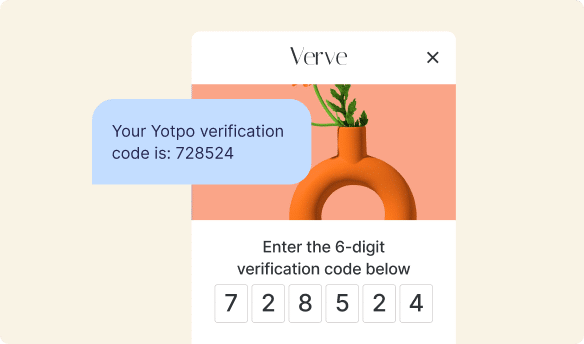









What is a Double Opt-in?
Have you ever signed up for something exciting online, maybe a club newsletter or a special offer, and then gotten another email asking you to click a link to confirm? That second step, where you click to say “Yes, I really want this!”, is called a double opt-in. It’s a super smart way for websites and brands to make sure you truly want to hear from them.
Think of it like this: when you want to join a secret club, you don’t just write your name on a list. You also get a special password or have to confirm with the club leader that you’re really in. A double opt-in works much the same way, creating a list of people who are genuinely interested and happy to be there. This helps brands like those using Yotpo Reviews or Yotpo Loyalty build strong connections with their most passionate customers.
What Does “Opt-in” Mean Anyway?
Before we dive deeper into the “double” part, let’s understand “opt-in.” Simply put, “opt-in” means you’re giving permission for someone to send you messages. Most often, we’re talking about email, but it could also apply to other kinds of communication.
A single opt-in is the simplest way. You might tick a box that says “Yes, I want to receive emails” or just enter your email address into a form and click “Submit.” That’s it! You’ve opted in. It’s like raising your hand once to say you want to participate.
While single opt-in is quick and easy, it can sometimes lead to a few hiccups. What if someone types their email address wrong? Or what if a friend jokingly signs you up for something you don’t actually want? In these cases, companies might end up sending messages to people who aren’t really interested, or worse, to email addresses that don’t even exist! This isn’t great for building genuine connections, which are key for effective marketing and positive consumer decision-making. Brands want to talk to real people who care about their products and services.
The Two-Step Dance of Double Opt-in
So, if single opt-in is like raising your hand once, double opt-in is like raising your hand, and then also saying “Yes!” out loud. It’s a two-part process that ensures you’re truly on board. Let’s break down the steps:
- Step 1: The Initial Sign-up. This is where you first tell a company you’re interested. You might fill out a form on their website to get a newsletter, download a free guide, or sign up for their loyalty program. You enter your email address and click a button that says something like “Sign Up” or “Join Now.”
- Step 2: The Confirmation Email. Right after you complete Step 1, the company sends you a special email. This email isn’t a regular newsletter or offer. Instead, it asks you to confirm your decision. Inside, you’ll find a link or button that says something like “Confirm my subscription” or “Yes, I want to receive emails.” You must click this link to complete the process.
Only after you click that link in the confirmation email are you officially “opted in.” It’s like getting an invitation to a party and then needing to RSVP to say you’ll definitely be there. This extra step might seem small, but it makes a big difference for both you and the company. It’s about being really sure, and that certainty helps brands foster strong word-of-mouth marketing and valuable user-generated content.
Why Do Companies Use Double Opt-in? (It’s Not Just to Annoy You!)
You might wonder why companies add an extra step. It’s not because they want to make things harder for you. They do it for some very good reasons:
- Reason 1: Quality Over Quantity.
Imagine a company has a list of 10,000 email addresses. If 5,000 of those are fake, mistyped, or from people who aren’t really interested, then the company is wasting time and effort sending messages that won’t be read. With double opt-in, companies know that everyone on their list truly wants to be there. This means they get better customer retention and fewer complaints about unwanted messages. When customers are genuinely engaged, they’re more likely to participate in things like loyalty programs or leave helpful reviews.
- Reason 2: Keeping Things Clean (List Hygiene).
Double opt-in helps companies keep their subscriber lists neat and tidy. It prevents fake or invalid email addresses from cluttering their system. Think of it like a gardener removing weeds so the flowers can grow stronger. A clean list also protects the company’s “sender reputation.” If too many emails bounce back or are marked as spam, internet service providers (like Gmail or Outlook) might start to think the company is sending unwanted messages, and future emails could end up in spam folders, even for people who do want them!
- Reason 3: Following the Rules (Legal Stuff).
Around the world, there are laws that protect people’s privacy and what kind of messages they receive. These laws often require clear consent – meaning you have to explicitly say “yes” to receive messages. Double opt-in provides strong proof that you’ve given permission. It shows respect for your privacy and helps companies build trust, which is super important when they ask for things like user-generated content or reviews from their customers.
The Good Stuff: Benefits of Double Opt-in for Everyone
Double opt-in isn’t just a techy detail; it brings real advantages to both customers and businesses.
For You (The Customer):
- A Cleaner Inbox: You only get emails from companies you genuinely want to hear from. Less junk, more good stuff!
- More Relevant Content: Because you’ve confirmed your interest, the messages you receive are more likely to be things you actually care about.
- You’re in Control: It gives you an extra layer of control, ensuring no one can sign you up without your explicit permission.
For Businesses:
- Higher Engagement Rates: Subscribers who go through the double opt-in process are usually more interested. This means they are more likely to open messages, click on links, and interact with the brand. This level of engagement is fantastic for encouraging product reviews and fostering participation in loyalty programs, which are key parts of Yotpo’s offerings.
- Reduced Bounce Rates: By confirming email addresses, companies send fewer messages to non-existent or fake addresses. This keeps their email lists healthy and prevents wasted effort.
- Better Delivery Rates: Internet service providers (ISPs) see companies using double opt-in as responsible senders. This increases the chances that messages will land in the inbox, rather than being flagged as spam.
- Stronger Customer Relationships: The act of asking for confirmation shows respect for customer privacy and preferences. This builds trust and strengthens the relationship, leading to more loyal customers who are happy to share their ecommerce product reviews or recommend the brand. This focus on trust helps improve the overall ecommerce customer experience.
- More Valuable Data: A list of confirmed subscribers gives businesses more accurate and useful information about their audience. This helps them understand what their customers truly want and allows them to refine their loyalty programs and marketing efforts, ultimately improving ecommerce conversion rates.
A Quick Look: Double Opt-in vs. Single Opt-in
Here’s a simple table to help you compare the two methods:
| Feature | Single Opt-in | Double Opt-in |
|---|---|---|
| Process | One step (sign-up form) | Two steps (sign-up + confirmation email) |
| Confirmation | Implicit (by signing up) | Explicit (by clicking link) |
| List Quality | Potentially lower (more unengaged users) | Higher, more engaged users |
| Spam Complaints | Potentially higher | Lower |
| Subscriber Growth | Faster, but less qualified | Slower, but more qualified |
| Legal Compliance | May vary, less strict | Generally stronger, better for privacy laws |
| Engagement | Lower open/click rates expected | Higher open/click rates expected |
How Double Opt-in Works in the Real World of Brands
Let’s look at a couple of everyday examples to see how double opt-in plays out when you interact with brands online.
Example 1: Signing Up for a Brand’s Newsletter
Imagine you’re browsing an ecommerce site and a pop-up appears, offering 10% off your first purchase if you sign up for their emails. You think, “Great! I’d love a discount and updates on new products.”
- You enter your email address into the pop-up and click “Get Discount.”
- Almost immediately, you receive an email with the subject line, “Please Confirm Your Subscription!” or “One More Step to Your Discount.”
- You open this email and see a big button that says, “Click Here to Confirm.”
- You click the button, and a new page opens saying, “Success! You’re confirmed. Your discount code is…”
Now you’re officially a subscriber, and the brand knows you really want to receive their messages. You’ll get relevant information, maybe even details on how to earn loyalty rewards or how to leave product reviews for items you love. This ensures the brand is engaging with genuinely interested customers, making their marketing efforts more effective.
Example 2: Joining a Loyalty Program
Let’s say you’ve found a brand you absolutely adore, and you want to join their loyalty program to start earning points for every purchase.
- You navigate to the brand’s loyalty program page and fill out the registration form, including your email address.
- The brand sends you a confirmation email to verify your email and ensure you truly wish to enroll in their rewards program.
- You click the confirmation link in the email.
- Now, you’re an official member of the loyalty program! You can start collecting points, getting exclusive perks, and perhaps even leave a product review to earn bonus points.
This double opt-in process for loyalty programs is fantastic because it guarantees that only real, committed customers are part of the program. This makes the program more valuable for everyone involved and helps the brand cultivate powerful word-of-mouth marketing from genuinely engaged advocates.
Challenges? Not Really, More Like a Little Patience!
You might think, “Well, if it’s two steps, won’t fewer people sign up?” And you’d be right, a tiny percentage of people might not complete the second step. This can lead to slightly slower list growth compared to single opt-in. However, remember the trade-off: you’re getting a smaller list of highly engaged and interested individuals instead of a larger list with many unengaged or fake subscribers.
The “challenge” of an extra step for customers is a small price to pay for a clean, relevant inbox. Brands understand this, and they prioritize quality connections. At Yotpo, our Reviews and Loyalty products are all about helping brands connect with genuine customers who are truly interested in what they offer. This commitment to genuine engagement ultimately leads to stronger consumer decision-making processes and better ecommerce conversion rates, proving that patience for quality pays off.
The Future of Customer Connection: Why Double Opt-in Matters More Than Ever
In today’s busy online world, where we’re constantly bombarded with information, getting someone’s genuine attention is tougher than ever. Double opt-in helps brands cut through the noise by focusing on people who truly want to hear from them. It’s a fundamental practice for building strong, lasting customer relationships.
Whether it’s encouraging customers to share their thoughts through ecommerce product reviews, creating exciting loyalty programs that reward true fans, or inspiring customers to share amazing user-generated content, the foundation is always built on genuine interest and permission. Double opt-in ensures this foundation is rock solid.
This approach aligns perfectly with building a robust ecommerce marketing funnel that values every single customer interaction. It’s about respecting privacy, building trust, and creating an experience where both the brand and the customer win.
Conclusion
So, what is a double opt-in? It’s a simple, two-step process where you first sign up for something and then click a link in a confirmation email to prove you really want to receive those messages. It might seem like a small extra step, but it serves a big purpose.
For you, the customer, it means a cleaner inbox filled only with content you actually care about. For businesses, it means a high-quality list of truly engaged individuals who are more likely to interact, buy, and become loyal fans. It helps them follow privacy rules, protect their reputation, and ultimately build stronger, more meaningful relationships with their audience. It’s a win-win situation, leading to a better experience for everyone involved in the digital world. It’s all about building a community of truly engaged individuals, something that Yotpo Reviews and Yotpo Loyalty excel at fostering for brands worldwide.


 Join a free demo, personalized to fit your needs