











What is a Direct-to-Consumer (D2C) Model?
Imagine your favorite toy company. Normally, they make toys, then send them to big toy stores, and you buy them from the store, right? A Direct-to-Consumer (D2C) model is different. It means the toy company sells its toys straight to you! There’s no middle-man like a big store. They might sell them through their own website or even their own special store. It’s like cutting out the extra steps, so the company can talk directly to you, the customer, and you can buy directly from them. This way, they get to know you better, and you get to know them.
Why D2C is a Big Deal
So, why would a company want to sell directly to you instead of through stores? Well, it’s actually a pretty smart way to do business, and it helps them build a stronger connection with the people who love their products. Let’s look at a few reasons why D2C has become such a big deal for many brands today.
Closer to Customers
Think about it. If a company sells through many different stores, they don’t always know who exactly is buying their products. But when they sell directly, they get to see who visits their website, what products they look at, and what questions they ask. This closeness helps them understand what you really like and need. It’s like getting to talk to the chef who made your favorite meal instead of just ordering it from a waiter. This direct link makes it easier for brands to really listen and respond to what their customers are saying.
More Control
When a company sells its products through other stores, they don’t always have a say in how their products are shown or explained. The store might put their product on a shelf next to many others, and it might not stand out. With D2C, the company has total control. They decide exactly how their website looks, how they describe their products, and how they talk about their brand. This means they can make sure their products look their best and their story is told just right, creating a special experience for you, the customer.
Building a Brand
Every company wants to have a strong “brand” – that’s what makes their products special and easily recognizable. Think of a famous logo or a jingle you know. Selling directly helps companies build a much stronger brand. They can share their unique story, what they believe in, and what makes their products different, straight to you. This helps you feel a deeper connection to them, not just to the product itself. It’s about creating a whole feeling and a community around their products.
| Feature | Direct-to-Consumer (D2C) | Traditional Shopping (Through Stores) |
|---|---|---|
| Who you buy from | Directly from the brand that makes the product | From a separate store (retailer) that sells many brands |
| Communication | Direct messages, emails, chat with the brand | Mostly with the store, less direct with the brand |
| Product Variety | Often unique items, full range from the brand | Limited selection chosen by the store |
| Brand Control | Full control over how products are shown and sold | Less control, relies on the store’s presentation |
How D2C Works
The idea of selling directly sounds simple, but how do companies actually do it? It involves a few key steps to make sure everything runs smoothly from their factory or workshop all the way to your doorstep. It’s like a carefully planned journey for every product.
Online Stores
The most common way D2C companies sell is through their own websites, which act as their online stores. Instead of walking into a physical shop, you visit their website from your computer or phone. These websites are designed to be easy to use, showing off their products with nice pictures and clear descriptions. You can click on what you like, add it to your shopping cart, and then pay for it, all without leaving their site. It’s like having their entire shop open 24/7, right at your fingertips.
Talking to Customers
Since D2C companies sell directly, they also talk directly to their customers. This means they might send you emails about new products, offer special deals, or answer your questions through chat on their website or social media. They want to build a relationship with you, so they make it easy for you to reach out and for them to reach out to you. This direct communication helps them understand your needs better and helps you feel heard and valued. It’s a two-way street that keeps everyone connected.
Getting Products to You
Once you buy something from a D2C company, they need to get it to you! This usually means they handle the packaging and shipping themselves, or they work with special shipping companies. They make sure your order is packed safely and sent directly to your home. This process is called fulfillment. Because they manage it all, they can often keep a closer eye on how quickly and carefully your package arrives, ensuring a good experience from click to delivery.
Benefits of D2C for Businesses
Switching to a D2C model can bring a lot of good things for a business. It’s not just about selling stuff; it’s about building a smarter, stronger, and more connected business. Let’s explore some of the coolest benefits.
Better Customer Knowledge
Imagine trying to pick out a gift for a friend if you’ve never spoken to them. It’s hard! But if you talk to them all the time, you know exactly what they like. That’s what D2C gives businesses. By selling directly, they collect information about what you look at, what you buy, and what you ask. This helps them understand what their customers truly want and need, making it easier to create products you’ll love. It’s like having a superpower that lets them read your mind (but in a good, helpful way!).
Stronger Relationships
When you buy from a D2C brand, you’re not just buying a product; you’re often joining a community. These brands work hard to create special connections with their customers. They might invite you to exclusive events, ask for your ideas on new products, or send personalized messages. This helps build a sense of loyalty and trust, making you feel more connected to the brand. You become more than just a customer; you become part of their story.
Making Your Mark
D2C brands have a unique opportunity to really stand out. Since they control their entire customer experience, from their website’s look to how your product arrives in a special package, they can create something truly memorable. This strong identity helps them make their mark in a busy world, attracting people who connect with their story and values. It’s about being unique and unforgettable.
How D2C Benefits Customers
It’s not just good for businesses; selling directly to you also brings some fantastic perks for us, the customers! Let’s dive into how you can benefit from choosing D2C brands.
New and Unique Stuff
Because D2C brands are often smaller or more focused, they can be super creative and bring out really unique products that you might not find in big stores. They’re not stuck following big rules, so they can try new ideas and make things that are truly special. It’s exciting to discover these hidden gems and get products that feel fresh and different.
Direct Support
Have you ever had a question about a product and struggled to find the right person to ask? With D2C, you’re usually talking directly to the company that made the product. This means they know everything about it and can give you quick, accurate answers and help. If you have a problem, they’re often much faster at solving it because they’re directly responsible for your happiness. It’s like having a direct line to the experts!
Feeling Special
D2C brands often go the extra mile to make their customers feel valued. They might send you personalized notes with your order, offer special discounts just for you, or ask for your feedback on new ideas. This personal touch can make you feel like more than just another buyer; you feel appreciated and special. They want you to love their brand, and they show it!
Key Ingredients for D2C Success
So, what does a D2C brand need to do to really shine and keep customers coming back? It’s like baking a cake – you need all the right ingredients mixed together perfectly. Let’s look at some of the most important things that help D2C brands succeed.
Great Products
This might seem obvious, but it’s the very first step! A D2C brand needs to offer products that are genuinely good, useful, and that customers love. If the product isn’t top-notch, people won’t buy it again, no matter how clever the marketing is. It all starts with something that truly solves a problem or brings joy to people’s lives. Without a great product, all other efforts will struggle to gain traction.
Knowing Your Customers
We’ve talked about this a bit already, but it’s worth repeating: truly understanding who your customers are is super important. What do they like? What problems do they have? What makes them happy? The more a D2C brand knows about its customers, the better it can create products and experiences tailored just for them. It’s like being a good friend who knows exactly what gift to get you because they know you so well. This deep understanding helps brands create marketing messages that truly speak to their audience and build long-lasting connections.
Building Trust with Reviews
When you’re buying something online, especially from a brand you might not know well, how do you decide if it’s good? Often, you look at what other people are saying! This is where customer reviews come in, and they are incredibly important for D2C brands.
What are Reviews?
Reviews are simply what customers say or write about a product or a company after they’ve used it. They can be star ratings (like 5 stars!), written comments, or even pictures and videos. Think of it like your friends telling you if a new game is fun or not before you buy it.
Why are Reviews Important for D2C?
For D2C brands, reviews are like gold! Since you can’t touch or try the product in a physical store, reviews help you feel more confident about buying. They show that real people have bought and enjoyed the product, which builds trust. Good reviews make new customers feel much more comfortable making a purchase, because they see honest feedback from others. Reviews also give brands a chance to show they listen to their customers and care about their experience. If a brand gathers and displays these honest opinions, it signals transparency and reliability to potential buyers.
Making Reviews Work for Your Brand
Companies that use a best-in-class reviews platform like Yotpo can make it easy for their customers to leave feedback. Yotpo’s reviews platform helps brands collect, manage, and display customer reviews right on their website, in a way that looks great. This means when you visit a D2C store, you can quickly see what other people think, helping you make a smart choice. These platforms can also help brands gather different types of user-generated content, like photos and videos, showing products in real-life use. It’s all about making sure customers feel confident and excited about their purchase. If you’re curious about how customer opinions help shape buying decisions, you might like to read more about the consumer decision-making process. Want to learn how to encourage customers to share their thoughts? Check out how to ask customers for reviews.
Keeping Customers Happy with Loyalty Programs
Once a customer buys something, a D2C brand doesn’t want them to just disappear. They want them to come back again and again! That’s where loyalty programs come in.
What is a Loyalty Program?
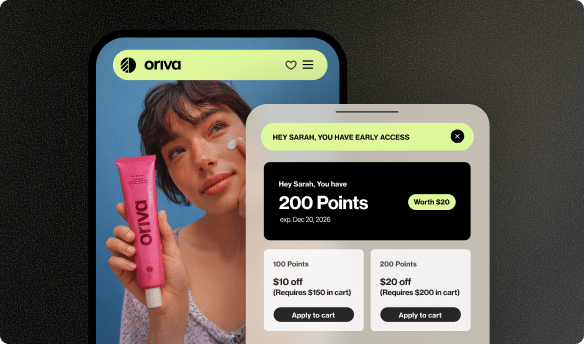
A loyalty program is like a special club for customers who love a brand. When you join, you might earn points for every purchase, get special discounts, or even early access to new products. It’s the brand’s way of saying “thank you” for choosing them over and over again. Think of it like a punch card at your favorite ice cream shop – buy ten, get one free!
How Loyalty Programs Help D2C Brands
For D2C brands, loyalty programs are super effective at keeping customers engaged and encouraging them to return. By offering rewards and exclusive perks, brands give customers a great reason to stick around. This helps build a strong community of repeat buyers who feel appreciated. When customers feel valued, they are more likely to talk about the brand to their friends and family, which is fantastic word-of-mouth marketing for the brand. A well-designed loyalty program also gives brands insights into customer preferences, helping them offer even more personalized experiences. You can explore how these programs help businesses grow by looking at ways to improve customer retention.
Building Lasting Bonds
Using a best-in-class loyalty software like Yotpo, D2C brands can create fun and rewarding experiences for their customers. Yotpo’s loyalty software makes it easy for brands to set up different ways for customers to earn points, unlock rewards, and feel special. This helps turn one-time buyers into loyal fans who keep coming back. It’s about building lasting relationships that go beyond just one sale. These programs are truly key to growing a customer base that trusts and supports the brand. Interested in creating a program that works? See more about the best loyalty programs. For insights into how loyalty impacts product strategy, check out loyalty for product.
Using User-Generated Content
Beyond formal reviews, D2C brands also love something called User-Generated Content, or UGC.
What is UGC?
UGC is any kind of content – like photos, videos, or social media posts – that real customers create about a product or brand. It’s not made by the company itself, but by the people who actually use their stuff. Imagine seeing a picture of someone wearing a cool shirt from a D2C brand on Instagram, and they look great! That’s UGC.
Why UGC is Super Powerful
UGC is like supercharged word-of-mouth marketing. When potential customers see real people using and enjoying a product, it feels much more believable and trustworthy than an ad made by the company. It helps new customers imagine themselves using the product and see how it fits into real life. D2C brands often encourage customers to share their experiences on social media, making it a powerful tool for showing off their products through authentic voices. This not only builds trust but also creates a sense of community around the brand. Find out more about what user-generated content is and its role in visual UGC.
The Journey of a D2C Brand
Starting a D2C brand isn’t just about having a great product; it’s a journey filled with learning and growth. From small beginnings to becoming a well-loved name, these brands go through exciting transformations.
Starting Small
Many D2C brands begin with a simple idea and a big dream. Often, they start with just one or two unique products, selling them from a small website. They might be run by a small team, maybe even just one person, passionate about their creation. In these early days, getting the word out and building that first group of loyal customers is key. They rely heavily on direct feedback and building personal connections, often putting a lot of effort into each customer interaction. This hands-on approach helps them really refine their products and understand their market.
Growing Up
As more people discover their products and share their positive experiences, D2C brands start to grow. They might add more products, hire more people, and invest in making their online store even better. They learn how to reach more customers through different online channels, but always keeping that direct relationship at the core. During this growth, tools that help manage reviews and loyalty become super important. For example, a brand that started with a simple product can use Yotpo’s reviews platform to showcase growing customer love and trust. As their customer base expands, Yotpo’s loyalty software can help them create sophisticated programs that keep their growing number of customers engaged and returning, turning new buyers into long-term advocates. This stage is about scaling up while maintaining the personal touch that makes D2C special. Exploring success stories can show how brands navigate this journey.
Looking Ahead
The D2C world is always changing, with new ways for brands to connect with customers popping up all the time. Brands are constantly thinking about how to make shopping even easier, more fun, and more personalized. They might use new technologies or find innovative ways to build their communities. The goal is always to create an amazing experience that keeps customers happy and excited for what’s next, continuing to build strong relationships directly with you. The future for D2C is about innovating and adapting, always with the customer at the center.
Conclusion
So, what have we learned about the Direct-to-Consumer (D2C) model? It’s a way for companies to sell products directly to you, cutting out the middle-man stores. This method helps brands get to know their customers really well, giving them more control over their story, and building strong, lasting relationships. For you, the customer, it means access to unique products, direct and helpful support, and a feeling of being truly valued.
For a D2C brand to truly shine, it needs fantastic products, a deep understanding of its customers, and smart ways to build trust and encourage repeat business. That’s where things like genuine customer reviews and exciting loyalty programs become superpowers. By focusing on these key ingredients, D2C brands can create a special connection with you, making your shopping experience personal and rewarding. It’s a win-win for everyone involved!


 Join a free demo, personalized to fit your needs