









Have you ever played a game where you have a secret hideout or a special treasure map? Just like you protect your secrets and treasures, we also need to protect our information in the digital world. This is what we call data security, and it’s super important for everyone!
What is Data?
First, let’s talk about what “data” even means. Imagine everything you know or do online. Your name, your age, your favorite color, your pet’s name – these are all pieces of information about you. When you play a game online, the game keeps track of your score, your level, and what items you have. When you shop online with an adult, the store remembers what you bought. All this information, whether it’s about you or about something else, is called data.
Think of data like tiny bits of information that computers use. It can be words, numbers, pictures, or even sounds. Every time you send a text message, watch a video, or visit a website, you are creating and sharing data. There’s a lot of data flying around the internet every second, and much of it is about us!
Why is Your Data Special?
Your data is special because it belongs to you! It tells a story about who you are, what you like, and what you do. Just like you wouldn’t want someone reading your secret diary or taking your favorite toy without asking, you don’t want just anyone to see your personal data. It could be harmless things, but it could also be sensitive information that could be used in ways you don’t like.
For example, if someone knows your birthday, they might send you a birthday message. But if they know your address and when your family isn’t home, that’s a problem. That’s why keeping your data safe is like keeping your personal information in a super-secret vault that only you and people you trust have the key to.
Every piece of data, big or small, has a role in our digital lives. Understanding what data is the first step to understanding why keeping it safe is so vital.
What is Data Security?
So, if data is our digital treasure, then data security is like the super strong lock, the watchful guard dog, and the secret alarm system all rolled into one, protecting that treasure. It’s all about keeping data safe from people who shouldn’t see it, use it, or change it. It also means making sure the data is there when you need it and that it hasn’t been accidentally lost or broken.
Think of it this way: when you send a message to a friend, data security helps make sure only your friend can read it. When you save a drawing on a computer, data security helps make sure that drawing doesn’t suddenly disappear or get changed by someone else. It’s about having peace of mind that your digital stuff is truly safe and sound.
Keeping Your Digital Treasures Safe
Data security isn’t just one thing; it’s a whole bunch of different tricks and tools used together. It’s like building a fort with many layers of protection. These layers stop unauthorized people from getting to your data. “Unauthorized” means people who are not allowed to see or use your information. They might be hackers trying to steal secrets, or even just people who accidentally stumble upon information they shouldn’t see.
The goal of data security is simple: keep your information confidential (secret), make sure it has integrity (it hasn’t been changed without permission), and ensure its availability (you can always get to it when you need it). When these three things are in place, you know your data is truly secure. It’s a big job, but a really important one!
Common Dangers to Your Data
Even with strong security, there are always some sneaky dangers lurking around in the digital world. These are like digital villains trying to get past the security measures. Knowing about them helps us be smarter and safer. What kind of threats are we talking about? Let’s look at a few.
Sneaky Phishing Scams
Have you ever gotten a message that looks like it’s from someone you know, like a friend or a trusted company, but it feels a little bit “off”? Maybe it asks you to click a strange link or give away a secret password. This is often a phishing scam.
Phishing is when tricksters pretend to be someone else to fool you into giving them your personal data. They might send fake emails or messages that look very real, trying to get you to click on a bad link or type in your username and password on a fake website. Always be careful and ask an adult if something looks suspicious! If a website link looks odd, it’s probably best not to click it.
Malware: The Nasty Computer Bugs
Imagine your computer getting sick with a really bad cold. That’s kind of what happens when it gets infected with malware. Malware is a short word for “malicious software,” and it’s basically computer programs created to do bad things.
There are different types of malware:
- Viruses: These are like real-life viruses; they spread from one computer to another and can damage files or slow things down.
- Ransomware: This is extra nasty. It locks up your files and demands money to unlock them, like a digital hostage situation.
- Spyware: This malware secretly watches what you do on your computer and sends that information to the bad guys.
Malware can get onto your computer by clicking on bad links, downloading unsafe files, or even visiting dangerous websites. It’s important to have good antivirus software to help protect against these digital bugs!
Hacking: When Someone Breaks In
When someone tries to get into a computer system or a website without permission, it’s called hacking. Hackers are like digital burglars trying to find weaknesses in the security system to sneak in and steal data, mess things up, or just snoop around.
Sometimes hackers are just curious, but often they have bad intentions. They might want to steal your personal information, like your online game passwords or your family’s financial details. They can even try to take control of your accounts. That’s why having strong security measures in place is so important – it makes it much harder for these digital burglars to break in.
These dangers might sound scary, but knowing about them is the first step to protecting yourself and your data. Many of the security steps we take are designed specifically to stop these kinds of threats.
How Do We Protect Our Data?
Now that we know what data is and what dangers it faces, let’s talk about the super cool ways we protect it. Think of these as the different tools and shields our data security superheroes use!
Strong Passwords are Your First Shield
This might sound simple, but using a strong password is one of the most important steps. A weak password is like having a lock on your door that anyone can open. A strong password is long, has a mix of uppercase and lowercase letters, numbers, and special symbols (like !@#$).
Here are some tips for super passwords:
- Make it long – at least 12 characters is a good start.
- Don’t use easy things like your birthday or “password123”.
- Mix it up: “MyCatFluffy!2024” is much better than “fluffy”.
- Use different passwords for different websites.
It can be hard to remember many strong passwords, which is why some adults use password managers – special programs that remember them all securely.
Encryption: Jumbling Up Secrets
Imagine you write a secret message on a piece of paper, but then you jumble up all the letters so no one else can read it. Only someone with the special key can unscramble it back into the original message. This is what encryption does for data!
When data is encrypted, it’s turned into a secret code. If a hacker somehow gets hold of encrypted data, all they see is a jumbled mess – they can’t understand it without the special key. This is a powerful way to keep sensitive information safe, especially when it’s traveling across the internet.
Backups: Having Copies Just in Case
Have you ever lost a drawing or a favorite toy? It’s a sad feeling! In the digital world, data can get lost too, sometimes because of an accident (like a computer breaking) or because of a bad hacker. That’s why backups are so important.
A backup is simply a copy of your data stored in a different, safe place. If your original data gets lost or damaged, you can use the backup copy to get everything back. Businesses often have many layers of backups to make sure they never lose important customer information or their own records. It’s like having an extra set of keys for your house!
Firewalls: The Digital Gatekeepers
Imagine a big castle with a strong wall and a gatekeeper who checks everyone who tries to enter. A firewall is like that digital gatekeeper for your computer or network. It’s a special program or device that watches all the data trying to come into and go out of your computer or network.
The firewall decides which data is allowed to pass through and which should be blocked. It helps stop bad programs or hackers from getting into your computer and keeps your data safe inside. Most computers and internet routers have a firewall built-in, silently working to protect you.
Two-Factor Authentication: A Double Lock
Think about a treasure chest that needs two different keys to open. That’s how two-factor authentication (2FA) works. Instead of just needing one thing (like your password) to log in to a website or app, you need two different things.
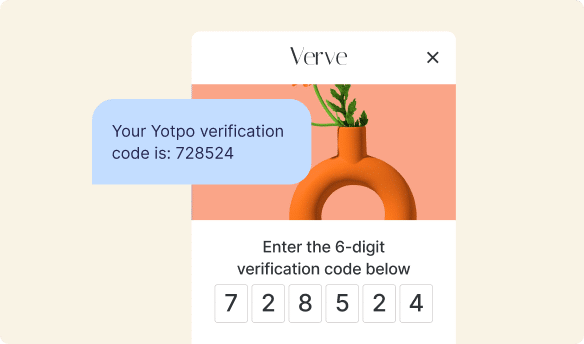
Usually, the first factor is your password. The second factor might be a special code sent to your phone, or a fingerprint scan, or even looking at your face! Even if a hacker manages to steal your password, they can’t get into your account without that second factor. It’s a super effective way to add an extra layer of security and keep your accounts much safer.
By using these different security measures, we can build a strong fortress around our data, making it much harder for anyone to get to our digital treasures without permission.
Data Security for Businesses: Why It Matters Even More
While protecting your own data is important, imagine how much data a big online store or a popular website has! They have information from thousands, even millions, of customers. For businesses, data security isn’t just a good idea; it’s absolutely essential. If a business can’t keep its customer data safe, it can lose a lot of trust and even get into big trouble.
Protecting Customer Information
Every time you or an adult buys something online, signs up for a newsletter, or even just browses a website, that business collects some of your data. This could be your name, address, email, what you like to buy, and how you pay for things. Businesses have a huge responsibility to protect all of this sensitive information.
If a business’s data security isn’t strong, hackers could steal this information. This could lead to big problems for customers, like their money being stolen or their identity being used by someone else. That’s why businesses invest a lot in making their data security as robust as possible.
How Businesses Collect Customer Data
Businesses use many tools to understand what their customers like and to make shopping a better experience. For example, imagine a store wants to know what you think about a new toy or a new shirt. They might ask you to write a review. That review, your name, and maybe your age are all data. Tools like Yotpo Reviews help businesses gather these important thoughts directly from customers.
Or perhaps a store has a special club where you get points for buying things – a loyalty program. This also collects data, like what you buy and how often. Yotpo Loyalty helps stores run these programs, and just like with reviews, keeping your shopping history safe is super important. When businesses collect this information, whether through reviews or loyalty programs, they have a big job to keep all that information private and safe.
Sometimes, businesses even ask for photos or videos of you using their products – this is called user-generated content. They use tools like Yotpo Visual UGC to collect these cool pictures. Even with fun stuff like this, businesses have to be careful guardians of your data, making sure it’s stored and used securely.
The Importance of Trust
The reason businesses care so much about data security is because they want you to trust them. If you feel safe sharing your ideas, your shopping preferences, or joining a loyalty program, you’re much more likely to keep shopping there and feel good about your experience. This trust helps customers decide what to buy and where to shop. It’s a huge part of good customer retention and a good relationship between a business and its shoppers.
So, making sure customer data is secure is a big part of how businesses keep happy shoppers and build a strong reputation. Without trust, customers simply won’t want to share their information or do business with them.
Staying Safe with Online Tools
As businesses grow and use more and more online tools to manage their stores and connect with customers, data security becomes an even bigger puzzle. These tools, which help them collect important customer feedback or manage loyalty points, must also be designed with strong security in mind. Businesses using such tools always look for partners who understand the importance of keeping customer data locked down.
It’s a continuous effort for businesses to ensure that all the systems they use, from their own computers to the online services they rely on, meet high security standards. This diligence helps protect customer data at every step of the journey, building the trust that is so crucial for success.
In summary, for businesses, data security isn’t just about protecting files; it’s about protecting their customers, their reputation, and their entire operation. It’s a fundamental part of doing business in the digital age.
Your Role in Data Security
Data security isn’t just for adults or big businesses; everyone has a part to play! Even as a child, you can take steps to be safer online and help protect your own data and your family’s. Being smart and careful goes a long way!
Think Before You Click
This is one of the golden rules of being online. Before you click on any link, open an email attachment, or download a file, stop and think. Does it look suspicious? Did you expect it? Is it from someone you truly know and trust? If something feels “off” or too good to be true, it probably is.
Always ask an adult if you’re unsure about clicking something. A quick question can prevent a lot of problems, like accidentally letting malware onto your computer or giving away personal information to a phishing scammer.
Update Your Software
You know how toys sometimes get new parts or fixes? Computer programs and apps are similar. Companies regularly release updates for their software. These updates often include important security fixes that patch up weaknesses hackers might try to use. Think of it like putting a new, stronger lock on a door.
When your computer or phone tells you there’s an update available, it’s usually a good idea to let it install. It helps keep your devices and your data safer from new threats. If an adult handles updates for you, remind them!
Be Wary of Strangers Online
Just like in the real world, it’s important to be careful about who you talk to and what information you share with strangers online. Online, people aren’t always who they say they are. Someone might pretend to be a kid your age, but they could be much older and have bad intentions.
Never share personal information like your full name, address, phone number, school, or passwords with anyone you don’t know well in real life. If an online friend asks for personal details or something that makes you uncomfortable, tell an adult immediately. It’s always better to be safe than sorry when interacting with people you only know online.
By following these simple rules, you can become a smart digital citizen and play an active role in keeping your corner of the internet safe and secure!
The Future of Data Security
Data security is always changing and getting smarter, just like new video games come out all the time! As technology gets more advanced, so do the ways people try to get around security. But don’t worry, the good guys in data security are always working hard to stay ahead.
Smart Security Systems
In the future, we might see even smarter security systems that use things like artificial intelligence (AI) to spot threats faster than ever before. Imagine a digital guard dog that not only barks at strangers but can also learn to recognize new kinds of danger by itself! These systems will get better at predicting where attacks might come from and stop them before they even happen.
We’ll also see more advanced ways to prove who you are, beyond just passwords. Maybe more use of things like face recognition or fingerprint scanning on your devices, making it even harder for someone else to pretend to be you online.
Learning More Every Day
One of the biggest parts of the future of data security is learning. As new technologies like virtual reality or even more connected smart devices become common, everyone, from kids to businesses, will need to keep learning about the best ways to protect their data. Education is a powerful tool to stay safe online.
Businesses will continue to refine how they manage and protect all the data they collect, whether it’s for customer reviews, loyalty programs, or improving customer experience. This ongoing effort helps build strong, trusting relationships with shoppers, making sure that while technology changes, the commitment to safety remains constant.
The world of data security is an exciting place where clever people work to keep our digital lives safe. By understanding it, we can all contribute to a safer online world for everyone.
Conclusion
So, what have we learned? Data is all the information about us and our online world. Data security is like a superhero shield that protects this precious information from bad guys and accidents. It uses clever tricks like strong passwords, encryption, backups, firewalls, and two-factor authentication to keep everything safe.
For businesses, data security is extra important because they collect so much customer data for things like reviews and loyalty programs. Keeping this data secure builds trust with their customers, which is super important for them to succeed. And remember, you also have a role to play! By being smart online, thinking before you click, updating your software, and being careful with strangers, you can help keep your own digital world safe.
Data security is a team effort, and when everyone understands its importance, we can all enjoy the amazing benefits of the internet with peace of mind. Stay safe out there in the digital playground!


 Join a free demo, personalized to fit your needs