














Black Friday. The term alone brings up images of crowded stores, amazing deals, and a frantic rush to kick off the holiday shopping season. It’s a single day (or week, or month) that can make or break a retailer’s entire year. It has evolved from a simple post-Thanksgiving sale into a massive, global commerce event that shapes how we shop, both online and in stores.
But what is Black Friday, really? At its core, it’s a high-stakes period of deep discounts offered by retailers. It officially falls on the Friday after American Thanksgiving. For shoppers, it’s a chance to save big on holiday gifts or personal purchases. For brands, it’s a vital, and often chaotic, revenue driver. This event is no longer just about one day. It has merged with Cyber Monday and expanded into “BFCM” or “Cyber Week.”
Key Takeaways
- Black Friday is an Event, Not a Day: What started as a single-day sale in the US is now a multi-week, global, omni-channel shopping event, often called BFCM (Black Friday Cyber Monday).
- It’s Not Just One Shopper: Shoppers have complex motivations. Our 2025 survey of over 1,100 shoppers revealed four key personas: The Planned Gifter (Lyra), The Planned Self-Shopper (Orion), The Spontaneous Gifter (Sol), and The Spontaneous Self-Shopper (Kai).
- Strategy is Everything: Brands can no longer “wing it.” A successful BFCM strategy requires understanding these personas and using best-in-class tools for Loyalty and Reviews to build trust and drive conversions.
- Trust is the New Currency: In a sea of deals, shoppers stick with brands they trust. This trust is built with authentic reviews and rewarded with meaningful loyalty programs. Price is a factor, but loyalty and social proof often seal the deal.
- AI is Changing the Game: Shoppers are increasingly using AI tools (like ChatGPT) to research products, compare deals, and summarize reviews, making the quality of your customer feedback more important than ever.
Part 1: The History and Evolution of Black Friday
To understand BFCM today, we have to look at where it came from. Its story might surprise you. It wasn’t invented by retailers as a happy sales event.
The “Black” Name Had Negative Origins
The first use of the term “Black Friday” had nothing to do with shopping. It was used in 1869 to describe a financial crash caused by two Wall Street speculators.
The shopping-related name came much later, in the 1950s and 1960s. Police in Philadelphia used “Black Friday” to describe the awful traffic jams, smog, and general chaos caused by shoppers flooding the city the day after Thanksgiving. It was a day the police had to work long, hard shifts. It was definitely not a positive term.
The “In the Black” Myth
So, where did the positive story come from? Retailers didn’t love the negative name. In the 1980s, they pushed a new, positive explanation. This story claimed “Black Friday” was the day retailers finally became profitable for the year. Their accounting books moved from “in the red” (losing money) to “in the black” (making money).
This is a great marketing story. But it’s mostly a myth. The truth is, most retailers were profitable long before Thanksgiving. But the new name stuck because it sounded good. It successfully rebranded the day from a traffic nightmare to a shopping success.
The Rise of the Doorbuster
The 1990s and 2000s were the golden age of the Black Friday doorbuster. Retailers would advertise a few products, like TVs or new toys, at incredibly low prices. These deals were in very limited quantities. This created the frantic “doorbuster” culture. We all saw the videos: people camping out for days and crowds rushing into stores at 5 AM.
This strategy used a powerful psychological trick: scarcity. Shoppers felt that if they didn’t get to the store right now, they would miss out. This drove the massive in-store traffic that defined the event for decades.
The Digital Shift: Enter Cyber Monday
As a web developer, I watched the next phase with huge interest. The internet changed everything. In 2005, the National Retail Federation coined a new term: “Cyber Monday.”
They noticed a trend. People were returning to work on the Monday after Thanksgiving and using their fast office internet to continue shopping for deals online. Brands jumped on this. They launched online-only sales, creating a digital bookend to Black Friday’s in-store event.
For a while, the two days had different personalities:
- Black Friday: In-store, big-ticket items like electronics.
- Cyber Monday: Online, smaller items like fashion and gifts.
That separation didn’t last long.
The Blurring Lines: BFCM is Born
Soon, retailers realized, why wait? Black Friday deals started appearing online on Thanksgiving Day, or even earlier. Cyber Monday deals started in stores.
The line blurred completely. Now, we just call it “BFCM” (Black Friday Cyber Monday) or “Cyber Week.” It’s one long, continuous sales period. Shoppers expect deals to be available everywhere, on every channel, for at least five days.
The COVID-19 Impact
The 2020 pandemic was the final accelerator for the digital shift. With stores closed or at limited capacity, eCommerce became the only way to shop BFCM. Shoppers who had never bought online before were suddenly forced to.
Brands also spread deals out over the entire month of November. They did this to manage supply chain issues and avoid shipping bottlenecks. This trained shoppers to look for deals long before Thanksgiving. The “one-day” event was officially over.
Black Friday Today: A Global, Omni-Channel Event
Today, Black Friday is a global phenomenon. Retailers in the UK, France, Brazil, and many other countries run massive BFCM sales.
It’s completely omni-channel. Shoppers might research on their phone, look at reviews on a brand’s website, and then buy in-store. Or they might see a product in-store, scan a QR code, and buy it online later. The customer journey is complex. This makes a consistent brand experience across all touchpoints more important than ever.
Part 2: Why Black Friday Matters (For Shoppers and Brands)
BFCM is a huge deal for a reason. It taps into deep psychological drivers for shoppers and represents a massive financial opportunity for brands.
The Shopper’s Perspective: The Psychology of a Deal
Why do we get so excited about BFCM? It’s more than just saving money.
- Scarcity and Urgency: This is the classic doorbuster effect. Limited-time offers (“Deal ends in 1 hour!”) and limited-stock notices (“Only 3 left!”) trigger a fear of missing out (FOMO). This pushes us to buy now rather than wait.
- The Thrill of the Hunt: For many, finding a great deal feels like winning. It’s a game. Shoppers feel smart and savvy when they snag a product for 50% off.
- Social Proof: When we see a product is a “bestseller” or has thousands of 5-star reviews, it validates our choice. We feel safer buying it because so many others did, too.
- Permission to Splurge: BFCM gives shoppers permission to buy things they’ve wanted all year. A 30% discount is the perfect justification to finally buy that new TV (for yourself) or that luxury handbag (as a “gift”).
The Brand’s Perspective: The High-Stakes Q4
For eCommerce brands, BFCM is the Super Bowl. It’s often the single biggest revenue period of the year. A successful BFCM can push a brand into profitability. A bad one can be disastrous.
The stakes are incredibly high. Brands invest months in planning, building up inventory, mapping out marketing campaigns, and “code-freezing” their websites to prevent crashes. The goal is to acquire as many new customers as possible and maximize the lifetime value (LTV) of existing ones.
The Challenges of BFCM
But it’s not all easy. BFCM presents serious challenges for brands:
- Margin Compression: Deep discounts eat into profit margins. It’s a race to the bottom on price. Brands have to find other ways to compete, like through loyalty perks or stellar service.
- Logistical Nightmares: The sheer volume of orders creates a huge strain on shipping and fulfillment. Warehouse teams work around the clock. Shipping carriers get overwhelmed, leading to delays.
- Shopper Fatigue and “Deal Blindness”: Shoppers are bombarded with “SALE!” messages from every brand. They become “deal blind” and tune out. A 20% off discount that would be exciting in July gets ignored during BFCM.
- Increased Competition: Every brand is fighting for the same customer’s attention. Advertising costs skyrocket. It’s incredibly expensive to acquire a new customer during this period.
This is why building a relationship with customers before BFCM is critical. A strong loyalty program and a bank of authentic customer reviews are two of the most powerful assets a brand can have.
Part 3: The 4 Shopper Personas of BFCM 2025
You can’t win BFCM if you treat every shopper the same. A “one-size-fits-all” 30% off banner doesn’t work anymore.
To understand what really drives shoppers, we surveyed over 1,100 global shoppers. We discovered four unique personas that define the BFCM landscape. Knowing who they are, what drives them, and how they shop is the key to converting them.
The personas below come directly from our 2025 BFCM On Tour Report. Check out the report to meet each shopper persona — Lyra, Orion, Sol, and Kai — and explore the full data behind them.
Persona 1: Lyra (The Gifter | Highly Planned)
Meet Lyra. She lives for finding the perfect gift. Her BFCM shopping is a mission. Every recipient, every budget, and every move is mapped out with precision.
- Who She Is: Represents a group that’s 55% female, 45% male, and 40% Millennial.
- Her Mindset: She’s the ultimate planner. Strategy fuels her search, and sentiment drives her choices. Discounts just make the magic possible. BFCM is her moment to shine as a thoughtful gift-giver.
Lyra in Fashion
Shopping Behavior: Lyra curates looks, not just buys gifts. She maps out style profiles, tracks wishlists, and allocates budgets down to the last accessory.
- Research: 51% research in the days leading up to BFCM, but 35% start weeks or even months in advance.
- AI Use: 50% already use or plan to use AI tools to scout trends, assemble looks, and nail sizing.
- Key Drivers: She holds out for the perfect price drop (67% do this). Reviews are her fitting room (72% rely on them). Loyalty perks dictate her shopping route (68% are influenced by them).
BFCM vs. Regular Shopping:
- During BFCM: 50% of her shopping is online. Her willingness to try new brands decreases by 5%. She sticks to her planned list and trusted brands.
- Regular Shopping: Only 35% of her shopping is online. She’s more exploratory and more willing to try new brands.
Lyra in Electronics
Shopping Behavior: Lyra runs this like mission control. She’s juggling high-stakes purchases (smart devices, gaming rigs) that demand deep research into specs and compatibility.
- Research: 40% start research weeks or months out.
- AI Use: 48% use AI to decode spec sheets, monitor price drops, and surface top-rated gear.
- Key Drivers: Timing is non-negotiable. 75% wait for maximum savings. 66% need to see at least a 30%+ discount. Reviews are her beta testers (75% rely on them). Loyalty perks are a major influence (65%).
BFCM vs. Regular Shopping:
- During BFCM: 48% of her shopping is online. Her willingness to try new brands drops by 10%. She prioritizes reliability for these big-ticket gifts.
- Regular Shopping: Only 32% of shopping is online. She demos products in-store and is more willing to explore emerging tech.
Lyra in Beauty
Shopping Behavior: Here, Lyra acts as a beauty consultant. She’s matching fragrances to personalities and skincare to skin types.
- Research: 55% research in the final days before BFCM.
- AI Use: AI adoption is lower (35%). Beauty decisions are simpler and more personal.
- Key Drivers: 60% delay purchases for BFCM deals. Reviews are her formula fact-checkers (74% rely on them). Loyalty perks are a huge driver (70%), as she seeks early access to limited-edition sets.
BFCM vs. Regular Shopping:
- During BFCM: 47% of her shopping is online. Interestingly, she is more likely to try new brands if the product looks right. Her reliance on reviews increases as she double-checks gift-worthiness.
- Regular Shopping: Only 30% of shopping is online. She swatches in-store and is much more experimental.
Lyra in Home & Furniture
Shopping Behavior: Lyra is playing for keeps. She’s gifting statement pieces and appliances that last. These are personal, high-stakes investments for people close to her.
- Research: 48% research in the days leading up, while 37% start months in advance measuring spaces.
- AI Use: This is her highest AI use category (55%). AI helps her decode dimensions, coordinate styles, and track prices on thousand-dollar items.
- Key Drivers: 72% strategically delay home purchases for BFCM. Reviews are her insurance policy (79% rely on them). Loyalty programs carry the most weight here (75% influence).
BFCM vs. Regular Shopping:
- During BFCM: 46% of her shopping is online. She gravitates toward established, trusted brands. This is not the time to take a chance on an unknown name.
- Regular Shopping: Only 28% of shopping is online. She browses showrooms and is 9% more willing to experiment with new brands.
Lyra in Toys & Games
Shopping Behavior: Lyra is a running point for the North Pole. She’s coordinating wishlists, comparing prices, and making sure nobody gets a duplicate gift.
- Research: 45% start recon weeks or months in advance.
- AI Use: 40% use AI to track down hard-to-find toys and lock in the best prices.
- Key Drivers: The discount threshold is high. 32% need to see 50%+ off to buy. Reviews are her peace of mind (69% rely on them) to confirm safety and quality.
BFCM vs. Regular Shopping:
- During BFCM: 52% of her shopping is online. Her willingness to try new brands plummets by 12%. When Santa’s reputation is on the line, you stick to trusted names.
- Regular Shopping: Only 33% of her shopping is online. She’s much more willing to experiment with new brands for smaller birthday gifts.
How to Win Over Lyra (The Planned Gifter)
Lyra is a brand’s dream customer if you’ve earned her trust. She’s planned, loyal, and values quality.
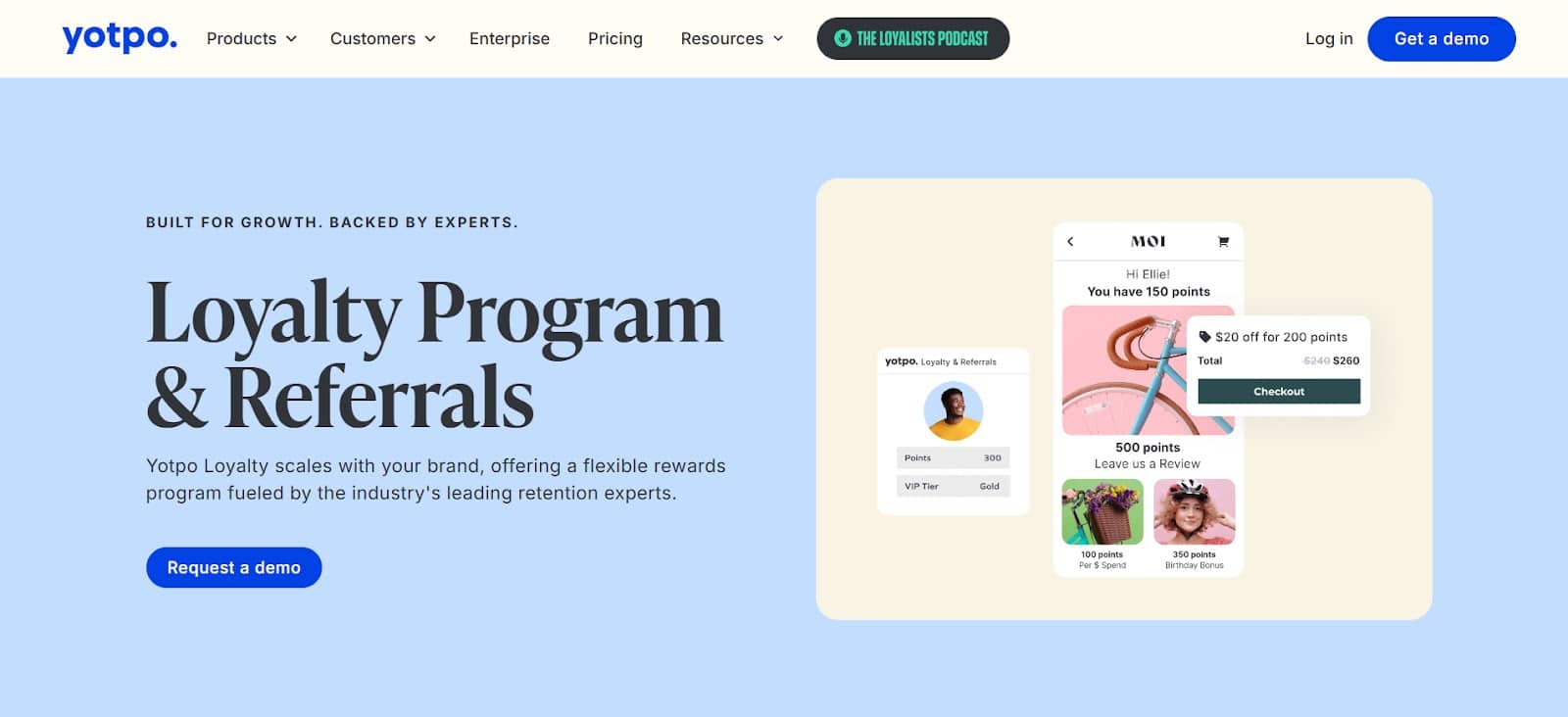
- Activate Her Loyalty: Lyra is heavily influenced by loyalty programs. This is where a best-in-class solution like Yotpo Loyalty shines. You can build segments based on her past purchases and high LTV. Send her targeted campaigns reminding her of her existing points. A “You have 500 points to use on gifts!” email is far more effective than a generic 20% off blast. Gifting her just enough points to reach the next reward threshold is a powerful way to create urgency and show appreciation.
- Make Reviews Your Best Salesperson: Lyra lives in your reviews. She’s not just looking for stars; she’s looking for specific, gift-focused information. With Yotpo Reviews, you can use AI Reviews Summaries to highlight key topics she cares about, like “Fit,” “Quality,” and “Gift-Worthy.” You can also use Smart Prompts in your review requests to ask customers if their purchase was a gift. Displaying these “gift-focused” reviews helps Lyra make a confident choice, fast.
Persona 2: Orion (The Strategist | Highly Planned, Self)
Meet Orion. He’s not shopping for others; he’s leveling up his own life. He’s been eyeing that tech or fashion upgrade all year. Every purchase is researched, tracked, and calculated for maximum personal value.
- Who He Is: Represents a group that’s 62% male, 38% female, and 38% Millennial.
- His Mindset: He’s a strategic upgrader. Patience fuels his strategy, and reviews guide his decisions. BFCM discounts are the justification for his splurge. This is his payoff moment.
Orion in Fashion
Shopping Behavior: Orion is building his signature look. He’s wanted that leather jacket since March and now it’s time to execute.
- Research: 45% research in the days leading up, but the wishlist has been building for months.
- AI Use: 46% use AI, primarily for price and deal comparison (41% of use cases). He’s not discovering, he’s price-checking.
- Key Drivers: 65% delay fashion purchases to wait for BFCM. His motivation is clear: 53% are treating themselves, and 48% are upgrading staples. Reviews are his confirmation (78% rely on them). He’s loyal (62%) and shops on brand sites to stack member discounts.
BFCM vs. Regular Shopping:
- During BFCM: 50% of his shopping is online. His brand loyalty intensifies. 30% become more loyal, hitting their favorite brands first for perks.
- Regular Shopping: Only 38% of shopping is online. He browses in-store and is 66% more likely to shop outside his favorite brands.
Orion in Electronics
Shopping Behavior: Orion is ready to level up his tech. He’s been debating the iPhone vs. Galaxy or that new TV. BFCM is his upgrade window.
- Research: 46% research in the days leading up, but 40% have planned for months.
- AI Use: AI adoption is surging. 56% of non-users are curious and plan to use it. They use it for deal hunting (40%) and product recommendations (21%).
- Key Drivers: A massive 71% deliberately delay major tech purchases (over $500) for BFCM. Reviews are his reality check (80% rely on them) to confirm battery life and picture quality.
BFCM vs. Regular Shopping:
- During BFCM: 52% of his shopping is online. He expands beyond his usual retailers (38% do) to hunt for the best competitive deal.
- Regular Shopping: Only 37% of shopping is online. He goes in-store to see tech in action and is 70% more likely to try new brands.
Orion in Beauty
Shopping Behavior: Orion is curating his dream routine and stocking up. He’s getting his go-to skincare and finally trying that premium face wash he can’t usually justify.
- Research: It’s split. 40% research for months, 40% in the final days, and 20% during BFCM (the highest “during” rate) to catch flash deals.
- AI Use: AI use is lower here (41%). Beauty decisions are simpler.
- Key Drivers: 52% are stocking up on favorites, and 48% are treating themselves to upgrades. Reviews are his green light (76% rely on them) for trying new, splurgy items.
BFCM vs. Regular Shopping:
- During BFCM: 49% of his shopping is online. He hits go-to brands first, but 42% expand to hunt for deals. His reliance on “very heavy” review reading jumps by 10% to justify splurges.
- Regular Shopping: Only 39% of shopping is online. He browses in-store to test shades and is more open to drugstore alternatives.
Orion in Home & Furniture
Shopping Behavior: Orion is investing in his own space. He’s tracked furniture prices for months and measured his living room three times.
- Research: 38% have been researching for weeks or months.
- AI Use: AI use is strong (47%), almost entirely for price and deal comparison (45%).
- Key Drivers: 63% delay home purchases for BFCM. 19% hold off for months. 65% need at least 20-30% off. 58% are upgrading items at better prices. Reviews validate the investment (82% rely on them).
BFCM vs. Regular Shopping:
- During BFCM: 50% of his shopping is online. His brand loyalty intensifies (34% become more loyal). BFCM makes premium brands like West Elm feel attainable. His “very heavy” review reliance increases by 10% to validate the splurge.
- Regular Shopping: Only 42% of shopping is online. He’s 73% more likely to shop outside his favorite brands and visits showrooms.
Orion in Toys & Games
Shopping Behavior: Orion is treating himself to the fun stuff: board game expansions, premium LEGO sets, or hobby gear.
- Research: 44% research in the days leading up. 67% delay major hobby purchases (over $500) for BFCM.
- Key Drivers: The discount needs to be real (30% need 50%+ off). 52% are treating themselves. Reviews are critical (83% rely on them) to confirm quality. Online marketplaces (Amazon) are popular (37%).
BFCM vs. Regular Shopping:
- During BFCM: 48% of his shopping is online. His brand loyalty loosens. 31% are “very likely” to try new brands if the deal is right.
- Regular Shopping: Only 33% of his shopping is online. His brand loyalty strengthens significantly. If he’s paying full price, he defaults to brands he knows.
How to Win Over Orion (The Planned Self-Shopper)
Orion is an optimizer. He wants the best value and is willing to wait for it. He trusts data (reviews) and rewards (loyalty).
- Make Loyalty a Status Symbol: Orion loves to “win” the deal. A tiered loyalty program is perfect for him. With Yotpo Loyalty, you can show him a clear path to VIP status. Offer exclusive early access to members before the public. This makes him feel smart and rewarded. Offer point multipliers (e.g., 2x points on tech bundles) to encourage him to build a bigger cart.
- Surface Key Insights with Reviews: Orion reads reviews like a spec sheet. He’s looking for functional details. Yotpo Reviews is built for this. Use Custom Questions to ask reviewers specific, value-focused questions like, “Did this meet your expectations for the price?” or “How does this compare to the previous model?” Then, use the AI Reviews Summary to show him instant insights on “Battery Life,” “Durability,” or “Ease of Setup.” This gives him the data he needs to confidently hit “buy.”
Persona 3: Sol (The Opportunist | Spontaneous, Gifter)
Meet Sol. She’s the opportunistic gift-giver. No spreadsheets, no master plan. She shops with instinct, looking for “Wait, Mom would love this” moments.
- Who She Is: Represents a group that’s 62% female, 38% male, and 35% Gen Z.
- Her Mindset: She’s a treasure hunter. Deep discounts are her green light, making amazing gifts suddenly affordable. Discovery fuels her search, and surprise drives her choices.
Sol in Fashion
Shopping Behavior: Sol is discovery-driven. She scrolls with purpose, ready to grab a statement coat that looks perfect for her best friend.
- Research: 60% say BFCM is when their holiday shopping kicks off. 18% try to knock out their entire list during BFCM.
- Key Drivers: Discounts are essential. 40% require deep discounts of 50%+ off. Star ratings are her quick filter (30% won’t consider anything under 4.5 stars). Reviews (60%) are a confidence check. Her loyalty is fluid (49% influence).
BFCM vs. Regular Shopping:
- During BFCM: She shifts heavily online (55% of shopping). Her brand loyalty loosens (23% become less loyal). She’s chasing the deal, not the brand.
- Regular Shopping: Only 35% of her shopping is online. She browses in-store. Her review reliance jumps to 75% when she’s paying full price.
Sol in Electronics
Shopping Behavior: Sol is hunting for tech gifts that wow without the sticker shock. 65% don’t even start tech gift shopping until BFCM.
- Research: 64% delay big-ticket ($500+) tech purchases until BFCM.
- Key Drivers: 36% hold out for 50%+ off. Discounts are the #1 reason she’s shopping. Star ratings are critical (34% need 4.5+ stars). Tech gifts must work, so reviews are vital (65%).
BFCM vs. Regular Shopping:
- During BFCM: She goes all-in online (55%). Loyalty weakens. 30% are “very likely” to try new brands if ratings and discounts align.
- Regular Shopping: Only 41% of shopping is online. Brand loyalty strengthens. If she’s paying full price, she defaults to brands she trusts.
Sol in Beauty
Shopping Behavior: Sol is gifting what’s buzzy and beloved. 60% of her beauty gift shopping doesn’t start until discounts drop.
- Research: She’s looking for deals on recognizable, name-brand products for gifts.
- Key Drivers: The discount has to be big. 37% need 50%+ off. 37% say markdowns are the #1 reason they’re shopping. Star ratings are her checkpoint (34% need 4.5+ stars).
BFCM vs. Regular Shopping:
- During BFCM: 45% of her shopping is online. Her quality standards tighten. More shoppers in this group need 4.5+ stars during BFCM than during regular shopping.
- Regular Shopping: Only 20% of shopping is online. She browses in-store, and her review reliance increases by 10%.
Sol in Home & Furniture
Shopping Behavior: Her gift list here is shorter and more personal (e.g., a housewarming gift).
- Research: Visual proof is critical. 15% need to see reviews with photos or images to consider buying, more than any other industry for her.
- Key Drivers: Discount expectations are unique. 41% need 50%+ off, but 15% are fine with 20% or less (since even small % on furniture is big $). Loyalty matters more here (60% influence).
BFCM vs. Regular Shopping:
- During BFCM: Her brand openness peaks. 81% are willing to try new brands when deals are live.
- Regular Shopping: Brand openness remains high (70%), but her reliance on written reviews jumps by 15% as she validates full-price purchases.
Sol in Toys & Games
Shopping Behavior: Sol is tackling her list deal-first, gift-second. If a LEGO set is 50% off, she’ll figure out who gets it later.
- Research: 44% use online marketplaces like Amazon. 26% become less loyal during BFCM, chasing deals over labels.
- Key Drivers: Price is the deciding factor. 42% say discounts are the #1 reason they’re shopping. 37% need 50%+ off. Star ratings are high (38% require 4.5+).
BFCM vs. Regular Shopping:
- During BFCM: 56% of her shopping is online. Willingness to try new brands peaks. Star rating standards tighten.
- Regular Shopping: Only 35% of her shopping is online. Review reliance jumps to 72%. Brand openness softens as she defaults to trusted names.
How to Win Over Sol (The Spontaneous Gifter)
Sol is all about discovery and high-value deals. You need to capture her attention fast and give her the confidence to buy instantly.
- Turn Loyalty into a Game: Sol isn’t a long-term planner, so make your loyalty program instant and fun. Use Yotpo Loyalty to reward micro-engagements. Give her points for adding to a wishlist or sharing a product. This keeps her engaged even if she’s comparison shopping. A “Surprise! We added 200 points to your account!” email during BFCM can pull her right back to your site.
- Build Instant Trust with Reviews: Sol moves fast. She doesn’t read 50 reviews; she skims. Yotpo Reviews is perfect for this. The AI Reviews Summary gives her an instant snapshot of what shoppers are saying (“Highly Rated For: Durability, Easy Assembly”). You must also respond to negative reviews. Using AI-Assisted Comments helps you quickly and authentically address concerns, showing Sol you stand behind your products. That transparency builds the instant trust she needs to make a spontaneous purchase.
Persona 4: Kai (The Indulger | Spontaneous, Self)
Meet Kai. He embodies the “treat yourself” mentality. He shops on impulse and feeling. He’s driven by an “I deserve this” mindset, and his cart is full of things that caught his eye.
- Who He Is: Represents a group that’s 44% male, 56% female, and 30% Gen Z.
- His Mindset: He’s not planning; he’s stumbling into purchases. Discovery fuels his scroll, and instant gratification drives his clicks. BFCM deals turn “I want that” into “I bought that.” This isn’t just shopping; it’s a personal joy spree.
Kai in Fashion
Shopping Behavior: Kai is hunting for instant style upgrades. He’s looking for pieces that truly stand out or that will elevate his personal style without destroying his bank account.
- Research: 33% are excited about the “treasure hunt” aspect. 54% are treating themselves and trying new brands.
- Key Drivers: 32% say deep discounts are the top motivator. Visual proof is critical. 20% need reviews with photos or videos to buy, higher than any other industry for him. He needs to see how it looks on a real person.
BFCM vs. Regular Shopping:
- During BFCM: He goes all-in on digital (74% of shopping is online). He shops everywhere: marketplaces (38%), brand sites (28%), and social shops (8%).
- Regular Shopping: Only 47% of shopping is online. He browses in-store. His review reliance jumps to 70% to validate full-price impulse buys.
Kai in Electronics
Shopping Behavior: Kai is discovering gadgets he didn’t know he needed. 53% are treating themselves and trying something new.
- Research: He’s not doing deep research. Star ratings are his quick quality check (41% need 4.5+).
- Key Drivers: 32% say deep markdowns are the #1 reason they’re shopping. 30% need 50%+ off. He’s loyal to brands, not retailers. 31% become less loyal to retailers, buying his preferred brand from whoever is cheapest.
BFCM vs. Regular Shopping:
- During BCFM: His willingness to try new brands drops. He wants a trusted brand on sale. Review reliance dips as the brand + discount is enough.
- Regular Shopping: His brand openness skyrockets (81% willing to try new brands). He’s more willing to experiment with emerging tech if the price is right.
Kai in Beauty
Shopping Behavior: BFCM is his yearly restock and his chance to splurge. He’s refilling his moisturizer but also throwing in that mascara his feed is consistently promoting. 53% are treating themselves, and 47% are restocking essentials.
- Research: 40% are excited by the “treasure hunt.”
- Key Drivers: 35% say deep markdowns are the main reason they’re shopping. Loyalty perks are the #1 driver here (52% influence), more than any other category for him. He’s cashing in points he’s hoarded all year.
BFCM vs. Regular Shopping:
- During BFCM: He’s heavily digital (72% of shopping). His quality standards tighten. He needs higher star ratings (4.5+) to justify the impulse splurge.
- Regular Shopping: Only 42% of shopping is online. He browses in-store to test fragrances. Star standards relax as he can test products himself.
Kai in Home & Furniture
Shopping Behavior: Kai is scoring pieces that are usually way out of his budget. 54% are buying products or brands usually out of their price range.
- Research: 40% hit online marketplaces (Wayfair, Amazon). 10% shop on social feeds.
- Key Drivers: Quality standards are strict (48% need 4.5+ stars). Review reliance is highest here (75%). Home purchases are investments, even on impulse.
BFCM vs. Regular Shopping:
- During BFCM: 73% of his shopping is online. His willingness to try new brands increases by 5%. His review reliance jumps by 5% to validate trying that new brand.
- Regular Shopping: Only 47% of his shopping is online. He hits showrooms and is more cautious about new brands.
Kai in Toys & Games
Shopping Behavior: This is pure fun. No kids, no gift list, just stuff he wants. 34% are treating themselves.
- Research: He shops where discovery happens. 41% on Amazon, 12% on social shops (his highest rate).
- Key Drivers: 34% are excited by the treasure hunt. Quality standards are near-perfect (10% won’t buy without 4.7+ stars). Reviews are critical (70%).
BFCM vs. Regular Shopping:
- During BFCM: His brand experimentation peaks (86% willing to try new brands). He’s open to whatever looks fun.
- Regular Shopping: Brand openness stays high (80%). Review reliance jumps to 77% to validate full-price hobby purchases.
How to Win Over Kai (The Spontaneous Self-Shopper)
Kai is driven by FOMO (Fear of Missing Out) and instant gratification. You have to make shopping fun, visual, and rewarding right now.
- Make Loyalty Instant: Kai won’t wait. He wants rewards now. Use Yotpo Loyalty to offer bonus points for redeeming during BFCM. (“Redeem 500 points, get 100 back!”). This “earn-and-burn” loop feeds his instant gratification. Gamify discovery. “Unlock a badge for exploring 3 new categories.” This taps into his hobbyist, treasure-hunt mindset.
- Use Visuals to Sell, Fast: Kai is a visual shopper. He needs photos and videos. Yotpo Reviews helps you collect and showcase this visual UGC. Offer bonus loyalty points for reviewers who upload photos or videos. Then, display this content in beautiful Shoppable Galleries on your site. When Kai sees a real person looking great in that jacket, it validates his impulse buy faster than any written review.
Part 4: Building Your BFCM Strategy
Understanding the four personas is step one. Now, you need the right tools to build a strategy that converts them. A successful, profitable BFCM isn’t built on discounts alone. It’s built on trust and relationships.
This is where your loyalty and reviews programs become your most valuable assets.
The Foundation: Loyalty and Reviews
Think of it this way:
- Loyalty is how you talk to your existing customers. It’s how you build a relationship that isn’t just about price.
- Reviews are how you prove your value to new customers. It’s your army of happy buyers selling on your behalf.
Let’s break down the strategy.
Leveraging Best-in-Class Loyalty (Pre-BFCM)
The work for Black Friday starts in August, not November.
- Build Your Member Base: Your loyalty program is your VIP list. Promote it everywhere. Offer points for signing up. This gives you a list of engaged customers you can market to without paying high ad costs in November.
- Segment Your Audience: This is the most crucial step. A powerful tool like Yotpo Loyalty provides robust analytics to segment your members. You should create segments for:
- VIPs: Your top 10% of spenders. (They get the best perks).
- At-Risk Customers: People who haven’t bought in a while. (A “We miss you” point drop can win them back).
- Points Hoarders: Members with a high point balance. (These are your Orion and Kai personas).
- New Members: Shoppers who just signed up.
- Warm Them Up: Don’t wait until Black Friday. Run a “Member Appreciation Week” in October. Offer double points. This gets them engaged and reminds them why they’re loyal to you.
As eCommerce expert Ben Salomon notes, “A loyalty program isn’t just a discount tool for BFCM. It’s your primary communication channel for your best customers. Building that segmented list before the noise of November starts is the single most important action a brand can take.”
When you’re choosing a loyalty platform, you need this flexibility. While solutions like Loyalty Lion or Smile provide frameworks for points, a best-in-class program like Yotpo Loyalty is built for deep segmentation and customization, allowing you to create those targeted, persona-based campaigns. Other options, like Okendo or Rivo, also offer loyalty components.
Leveraging Best-in-Class Loyalty (During BFCM)
Now it’s game time. Your segments are ready.
- Grant Exclusive Early Access: This is your #1 weapon. Give your loyalty members (especially VIPs) 24-hour early access to your BFCM deals. This rewards Lyra and Orion (your planners) and makes them feel like insiders.
- Offer More Than Discounts: Instead of just a 30% discount, offer your members “30% off + 2x Points.” This protects your margins slightly and gives shoppers another reason to buy from you instead of a competitor.
- Tiered Rewards: Use your loyalty program to encourage higher spending. “Spend $100, get 500 points. Spend $200, get 1,500 points!” This works wonders on Sol (the spontaneous gifter) and Kai (the spontaneous self-shopper).
Leveraging Best-in-Class Reviews (Pre-BFCM)
You can’t get 5-star reviews during Black Friday. You need to collect them all year long.
- Collect High-Impact Reviews: A review that just says “Great” doesn’t help Lyra or Orion. You need detail. Use a powerful reviews solution like Yotpo Reviews. Its Smart Prompts use AI to suggest high-converting topics for customers to write about (like “fit,” “quality,” or “battery life”). This guides them to write the detailed feedback new shoppers need.
- Gather Visual UGC: Remember Kai? He needs photos. Actively ask for visual UGC in your review requests. You can even connect this to your loyalty program (“Get 50 extra points for adding a photo!”).
- Analyze Your Feedback: Use review analytics to find out what your customers love. This tells you which products to feature in your BFCM marketing.
When looking at review platforms, many, like Okendo or Stamped.io, focus on collection. But for a real BFCM strategy, you need more. A tool like Yotpo Reviews focuses on conversion, using AI to surface the right topics. Other enterprise solutions like Bazaarvoice offer broad syndication, while Klaviyo Reviews provides a solution within its own ecosystem.
Leveraging Best-in-Class Reviews (During BFCM)
Your bank of reviews is now your most powerful conversion tool.
- Display Reviews Prominently: This sounds basic, but it’s vital. Star ratings should be visible on all product and category pages.
- Use AI Summaries: Don’t make shoppers dig. The AI Reviews Summary widget shows shoppers a 30-second snapshot of what thousands of reviews are saying. This is perfect for Sol, who is moving fast.
- Showcase Visuals: Use Shoppable Galleries on your homepage and product pages. Show Kai how that jacket looks in a real-world photo. When he clicks the photo, he can add the item directly to his cart.
- Answer Questions: Activate a Community Q&A widget. This lets shoppers like Lyra ask specific questions (“Does this work with a 220v outlet?”) and get fast answers from you or past buyers. This eliminates last-minute doubts and secures the sale.
Part 5: The Future of Black Friday
Black Friday is always changing. As we look ahead, a few trends are clear.
- The Rise of Conscious Consumerism: Many shoppers are pushing back against the hyper-consumerism of BFCM. They are looking for quality, durable goods from brands that align with their values (like sustainability). This makes your brand story and product quality (proven by reviews) even more important.
- AI as a Shopping Assistant: Shoppers are already using AI. Soon, AI assistants will do the hunting for them (“Find me the best-rated, waterproof jacket under $200”). The only way for your brand to be recommended by that AI is to have a massive volume of high-quality, descriptive reviews.
- The End of the “One-Day” Event: The month-long “Black November” is here to stay. This is actually good for brands. It reduces the logistical stress of a single-day spike and gives you more time to build relationships with shoppers, turning a one-time deal-hunter into a long-term loyal customer.
Conclusion: The Enduring Power of BFCM
Black Friday has come a long way from a Philadelphia traffic jam. It’s now a complex, global, digital-first event driven by deep-seated shopper psychology.
The brands that win BFCM are no longer just the ones with the deepest discounts. The winners are the brands that understand their customers. They know who is shopping (Lyra, Orion, Sol, or Kai) and what they need to feel confident.
They build that confidence all year long with best-in-class tools. They use Yotpo Loyalty to build relationships and reward their best customers. They use Yotpo Reviews to collect and display authentic social proof that turns a hesitant browser into a confident buyer.
In the end, Black Friday isn’t just about transactions. It’s about trust. And the brands that earn that trust will win the day, the week, and the year.
Black Friday: 10 Frequently Asked Questions
- What is Black Friday? Black Friday is a major shopping event that takes place on the Friday after American Thanksgiving. It’s known for deep discounts and marks the traditional start of the holiday shopping season. It has since expanded into a multi-day event often called BFCM or Cyber Week.
- Why is it called Black Friday? The most popular story is that it’s the day retailers’ books move from “in the red” (loss) to “in the black” (profit) for the year. However, the term was first used by Philadelphia police in the 1950s to describe the traffic chaos and smog from shoppers flooding the city.
- What is Cyber Monday? Cyber Monday is the Monday after Thanksgiving. It was created in 2005 to promote online shopping. Today, the lines between Black Friday and Cyber Monday are almost completely blurred, with most sales running continuously through both days.
- When is Black Friday 2025? Black Friday is on Friday, November 28, 2025. However, you can expect sales to start as early as the beginning of November.
- Are Black Friday deals really worth it? Often, yes. Retailers offer some of their deepest discounts of the year on products like electronics, home appliances, and fashion. But it’s smart to be prepared. Know the original price of an item and use reviews to check its quality before buying.
- What’s the best way to find good BFCM deals? Plan ahead! Identify the products you want (like Orion) or the gifts you need (like Lyra). Sign up for your favorite brands’ loyalty programs and email lists. Members almost always get early access to the best deals before they sell out.
- How can I avoid shipping delays during BFCM? Shop early. The closer it gets to Christmas, the more backed-up shipping carriers become. Many brands offer their best deals before Black Friday. Take advantage of those early sales to ensure your items arrive on time.
- How do customer reviews help me on Black Friday? Reviews are your best tool for cutting through the marketing hype. They provide real-world feedback on a product’s quality, fit, and performance. Look for AI-powered review summaries on brand sites to get a quick snapshot of what thousands of shoppers think.
- What is a “doorbuster”? A doorbuster is a product (like a TV) advertised at an extremely low price to get shoppers “in the door.” These deals are always in very limited stock and are designed to create a sense of urgency and excitement.
- How can small businesses compete with big retailers on BFCM? Small businesses can’t win on price, so they have to win on relationships. This is where loyalty programs and customer reviews are even more powerful. A small brand can offer exclusive perks to its loyal members, respond personally to reviews, and showcase authentic photos from its community. This builds a level of trust that big-box retailers can’t match.




 Join a free demo, personalized to fit your needs