



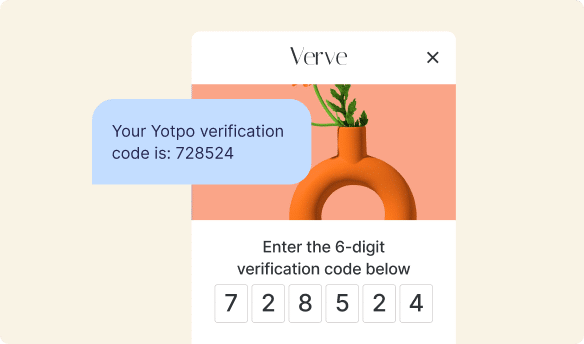











When a friend recommends a new brand and provides a special link for a discount, they are using one of the most effective tools in e-commerce: a referral code. This simple concept transforms your most satisfied customers into a genuine, trusted, and high-performing sales channel.
But what defines a referral code, and how can you leverage this mechanism to generate measurable growth for your online store?
This article provides a comprehensive guide, covering foundational concepts and a step-by-step framework for building a program that enhances revenue and fosters a loyal customer community.
Defining the Fundamentals: What Is a Referral Code?
Before developing a strategy, it is essential to understand the core components of referral marketing and how they function.
The Role of Referral Codes
A referral code or referral link is a unique identifier assigned to an existing customer, also known as an “advocate.” When this advocate shares their code with their network, it functions as a precise tracking tool. If a new customer makes a purchase using that code, your system attributes the acquisition to the advocate and distributes rewards accordingly.
Essentially, a referral code digitizes and incentivizes traditional word-of-mouth marketing, formalizing the natural impulse for people to share positive experiences.
Referral Codes vs. Affiliate Codes vs. Discount Codes: Key Distinctions
While these promotional tools may seem similar, they serve distinct strategic purposes. Understanding these differences is critical for building the right kind of program for your brand.
- Referral Codes: These are intended for your existing customers to share within their personal networks. The primary objective is to leverage customer loyalty to acquire new, high-trust shoppers. The reward structure is typically two-sided, benefiting both the advocate and the new customer.
- Affiliate Codes: These are assigned to external partners, such as influencers, bloggers, or other businesses. The affiliate promotes your brand to their audience in exchange for a commission on the sales they generate. This is a business partnership, not a personal recommendation.
- Discount Codes: These are general promotional codes (e.g., “HOLIDAY20”) available to any shopper. They are not linked to a specific referrer and are used for broad marketing campaigns, such as seasonal sales or first-time buyer incentives.
Although all three tactics can drive sales, referral codes are uniquely powerful because they are founded on the authentic trust established between the advocate and the new customer.
Why Referral Marketing Is a Strategic Imperative for E-commerce
A well-executed referral program is not just a supplementary feature; it is a fundamental growth engine that directly impacts brand credibility, profitability, and long-term success.
The Power of Trust and Social Proof
In a market saturated with digital advertising, consumers place the most trust in recommendations from people they know. This principle is the foundation of referral marketing’s success. When an existing customer endorses your product, they are lending their personal credibility to your brand.
This endorsement serves as powerful social proof. The new customer arrives at your store with pre-established confidence in your product’s quality and value. This pre-vetting process makes them significantly more likely to complete a purchase compared to a visitor acquired through paid advertising or organic search.
The Direct Impact on Financial Performance
The trust generated through referrals translates directly into measurable financial outcomes.
- Lower Customer Acquisition Cost (CAC): Consider the typical investment required to acquire a new customer through paid search or social media campaigns. Referral marketing presents a more cost-effective model. Instead of paying ad platforms, you invest in your existing customers, a strategy that simultaneously strengthens their loyalty.
- Higher Customer Lifetime Value (LTV): The benefits extend well beyond the initial purchase. Data indicates that customers acquired through referrals are often more loyal and have a higher lifetime value. They begin their relationship with your brand from a position of trust, which fosters greater engagement and more repeat purchases over time.
- Increased Conversion Rates: A lead generated from a referral is a warm lead. These potential customers are already interested and have a built-in reason to trust your brand, resulting in significantly higher conversion rates compared to other marketing channels.
Building a Community of Brand Advocates
A referral program elevates transactional customer relationships into a form of community. By inviting customers to participate in your growth, you give them a vested interest in your success. This transforms them from simple buyers into brand advocates.
This dynamic creates a self-sustaining growth loop:
- A satisfied customer refers a friend.
- The friend converts into a new, satisfied customer.
- This new customer now has the potential to become an advocate.
This cycle builds momentum, fostering an organic growth model fueled by genuine customer satisfaction.
In summary, referral marketing is a core growth strategy that leverages human connection to improve critical business metrics.
A Step-by-Step Guide to Building a High-Impact E-commerce Referral Program
Developing an effective referral program requires a strategic, methodical approach that aligns with your business goals, customer motivations, and desired user experience.
Step 1: Establish Clear Goals and KPIs
Before designing your program, you must define what success will look like. Your objectives should be specific and measurable. Examples include:
- Increase new customer acquisition from referrals by 15% within the next quarter.
- Achieve a 5:1 return on investment (ROI) from referral-related costs.
- Reduce overall Customer Acquisition Cost (CAC) by 10% over the next six months.
Once your goals are set, identify the Key Performance Indicators (KPIs) you will use to measure progress:
- Participation Rate: The percentage of your customer base enrolled in the referral program.
- Share Rate: The average number of shares per advocate.
- Click-Through Rate (CTR): The percentage of shared links that are clicked.
- Conversion Rate: The percentage of clicks that result in a successful purchase.
- Referral Revenue: The total revenue generated from customers acquired through referrals.
Consistently tracking these KPIs is essential for evaluating performance and identifying areas for optimization.
Step 2: Design a Compelling Incentive Structure
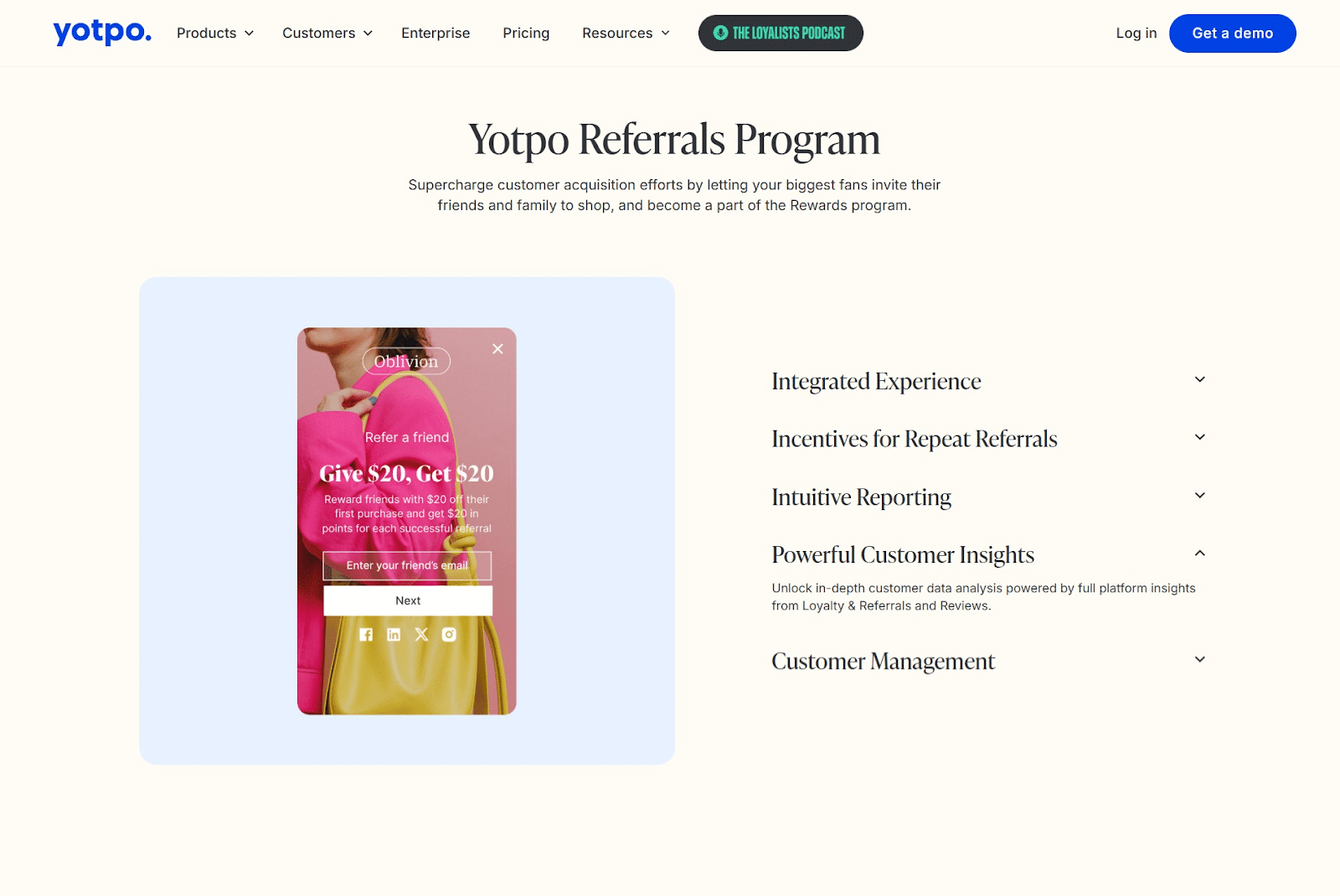
The incentive is the core motivator of your referral program. It must be valuable enough to encourage customers to take action. The guiding principle is to create a win-win-win scenario: a compelling offer for the advocate, an attractive incentive for the new customer, and a profitable outcome for your brand.
One-Sided vs. Two-Sided Incentives
You have two primary models for structuring rewards:
- One-Sided Incentives: A reward is given to either the advocate or the referred friend. This model is generally less effective as it lacks the viral appeal of a mutual benefit.
- Two-Sided Incentives: Both the advocate and the referred friend receive a reward. This is the preferred model in most cases, as it reframes the referral as an act of generosity, motivating the advocate to share and encouraging the friend to convert.
Selecting the Right Types of Rewards
The ideal reward depends on your product line, profit margins, and customer behavior. Consider these popular options:
- Store Credit or Cash: A straightforward and highly effective incentive. A clear message like “$20 for you, $20 for your friend” is easy to communicate and understand.
- Percentage Discounts: A “25% off” coupon can motivate larger purchases from both parties.
- Fixed-Amount Discounts: An offer like “Save $15 on your first order” is clear and effective for brands with a consistent average order value.
- Free Products: Rewarding advocates with a popular product can be a high-value incentive with a relatively low marginal cost.
- Loyalty Points: This is an excellent method for integrating your referral program with your broader retention strategy. Advocates earn points for successful referrals, which encourages their continued loyalty.
Testing different offers is crucial to determine what best resonates with your audience.
Step 3: Engineer a Frictionless User Experience (UX)
Even the most attractive incentive will fail if the program is difficult to navigate. A seamless user experience is critical for success. Consider the journey from both perspectives:
For the Advocate (The Referrer):
- Accessibility: The unique referral code or link should be easy to find within their customer account page or a dedicated program landing page.
- Shareability: Provide simple, one-click sharing options for email, SMS, and major social media platforms, along with a “copy link” button.
- Transparency: A dashboard that allows advocates to track the status of their referrals (sent, clicked, converted) builds trust and encourages continued engagement.
For the Referred Friend (The New Customer):
- Clarity: The referral link should direct them to a landing page that clearly communicates the offer.
- Automation: The discount or reward should be applied automatically at checkout to eliminate any potential friction.
- Simplicity: The entire process, from click to conversion, should be as simple as possible. The fewer steps required, the higher the conversion rate.
Any friction in this process will negatively impact participation and conversion rates.
Step 4: Select the Right Technology Partner
Attempting to manage a referral program manually with spreadsheets presents significant operational challenges. This approach is highly inefficient, prone to errors, and unscalable as your business grows. A dedicated technology partner is required to automate and optimize the process.
When evaluating platforms, look for these key capabilities:
- Automated generation and management of unique referral codes.
- Reliable, real-time tracking of shares, clicks, and conversions.
- Customizable rewards and flexible program rules.
- Seamless integration with your e-commerce platform.
- Robust analytics and reporting to monitor performance against KPIs.
Utilizing Yotpo Loyalty for Referral Programs
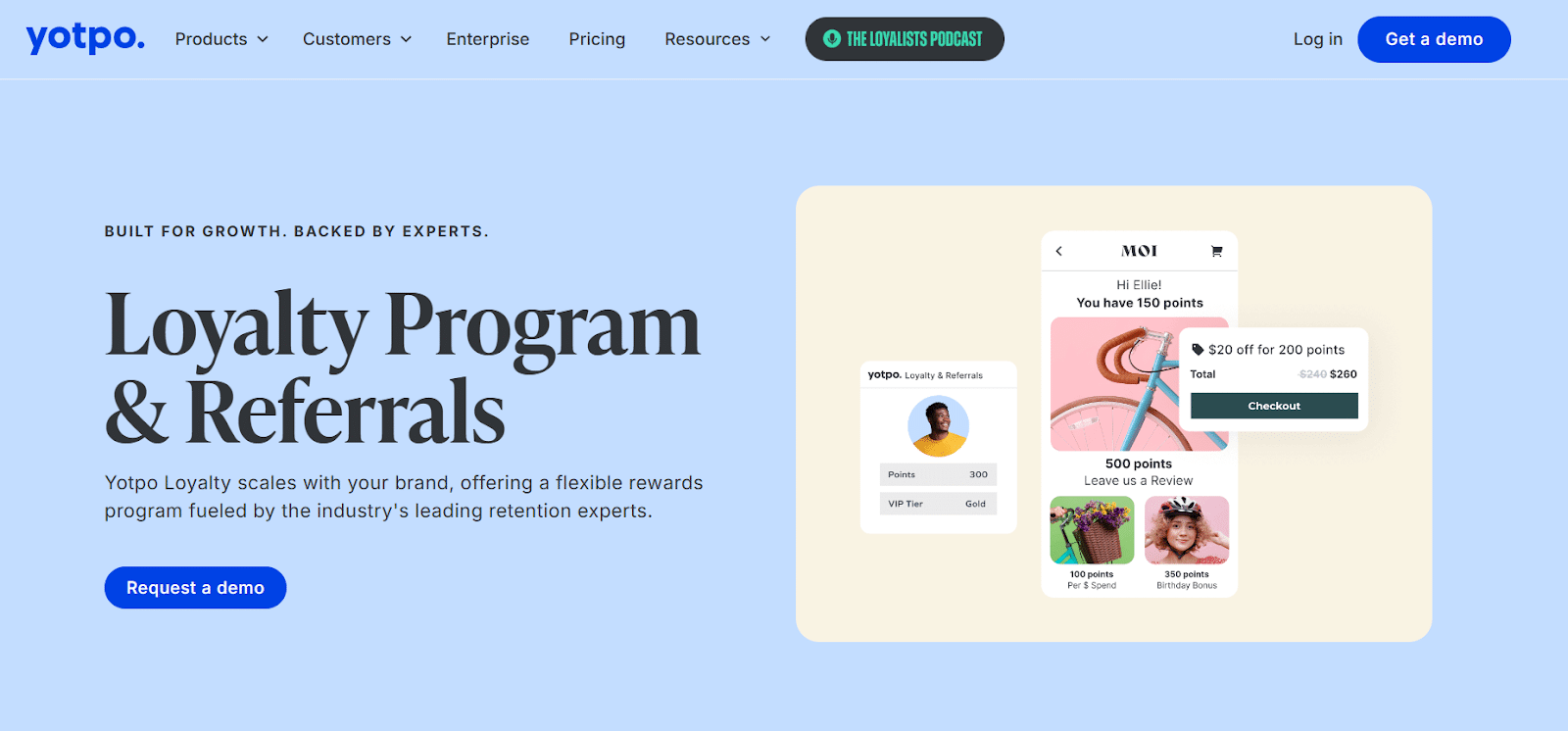
For brands committed to developing a best-in-class referral program, Yotpo Loyalty is engineered to manage this complexity. It provides the strategic tools necessary to build and scale an effective program.
Key strengths of the platform include:
- Strategic Partnership: Yotpo provides more than just software; it offers a partnership. The team of e-commerce loyalty experts delivers strategic guidance to help brands design and implement referral programs that align with their specific goals and brand identity.
- Deep Customization: Generic programs lack impact. Yotpo Loyalty offers extensive flexibility and customization, enabling brands to create unique, on-brand referral experiences.
- Robust Reporting and Insights: Yotpo provides the accurate, in-depth reporting necessary to track your KPIs effectively. This data is crucial for understanding program performance and making informed optimization decisions.
The Competitive Landscape
Other platforms in the market, such as Loyalty Lion, Smile, and Rivo, also provide referral functionalities. These tools can be viable solutions for brands seeking to implement basic programs. However, for businesses aiming to scale their referral program into a significant growth channel, the emphasis on strategic support, deep customization, and comprehensive analytics becomes paramount. Yotpo’s partnership model is designed to ensure your referral program evolves from a simple feature into a core driver of business growth.
Step 5: Execute a Comprehensive Promotion Strategy
One of the most common failures in referral marketing is a lack of promotion. You must treat your program launch like any other major marketing initiative.
Integrate promotion across the entire customer journey:
- Email Marketing: Announce the program through dedicated email campaigns and include reminders in post-purchase communications.
- SMS Marketing: Leverage SMS to deliver referral links directly to customers for fast and easy sharing.
- On-Site Promotion: Use banners, pop-ups, and a dedicated landing page. Include a prominent link to the program in all customer account dashboards.
- Social Media: Create campaigns that encourage followers to share their referral links with their networks.
- Packaging Inserts: A well-designed card included in every order is a cost-effective way to ensure every customer is aware of the program.
Step 6: Track, Analyze, and Optimize
A referral program is a dynamic marketing channel that requires continuous monitoring and optimization.
Use your platform’s analytics dashboard—such as the one included in Yotpo Loyalty—to track your KPIs. Analyze the data to answer critical questions:
- Which channels are driving the most valuable referrals?
- Who are your top-performing advocates?
- Is the current incentive structure driving the desired behavior?
- How can the conversion funnel be improved?
Use these insights to refine your program. A/B test different reward offers, optimize landing page copy, and experiment with new promotional channels. Identify and engage your top advocates with exclusive rewards to further incentivize their efforts.
Building a successful referral program is a systematic process that demands strategic planning, compelling incentives, a frictionless user experience, and a dedicated approach to promotion and optimization.
Common Pitfalls in Referral Marketing and How to Avoid Them
Understanding potential challenges is as important as implementing best practices. Avoiding these common mistakes can prevent a costly and ineffective program launch.
Overly Complicated Program Rules
If customers cannot understand your program’s mechanics in a few seconds, it is too complex. Vague terms and confusing conditions create friction and deter participation. The core offer must be simple, clear, and easy to act upon.
Inadequate or Mismatched Incentives
The reward you offer must be valuable enough to motivate action. A low-value discount may not be compelling enough to encourage sharing. Conversely, the reward must align with your brand’s positioning and financial model. A high cash reward without proper fraud detection can also expose your program to abuse.
A Poor User Experience
As noted earlier, friction is the enemy of participation. Broken links, non-functional codes, or a confusing interface will cause users to abandon the process. The entire experience—for both the advocate and the new customer—must be seamless and intuitive.
The “Build It and They Will Come” Fallacy
Simply launching a referral program is not enough. A failure to promote the program is a primary cause of poor performance. You must make the program highly visible and integrate it into key touchpoints throughout the customer journey.
A simple, well-promoted program with a compelling offer and an excellent user experience will always outperform a complex program that is poorly communicated.
Conclusion: Transform Your Customers into Your Most Effective Sales Channel
Referral codes are a strategic tool for building a sustainable, cost-effective, and authentic customer acquisition engine. By empowering your happiest customers to become brand advocates, you harness the power of trusted, personal recommendations.
This strategy delivers a direct and measurable impact on your bottom line by lowering acquisition costs, increasing customer lifetime value, and boosting conversion rates. More importantly, it helps cultivate a community around your brand, fostering loyalty that extends far beyond a single transaction. It is time to view your customers not as the endpoint of a sale, but as the beginning of your next one.
FAQs
How much should I offer as a referral reward?
The ideal reward value depends on your Average Order Value (AOV) and Customer Lifetime Value (LTV). A common starting point is 10–20% of your AOV, but the most effective approach is to test different offers to see what resonates with your audience while supporting your financial goals.
Can referral programs be exploited by fraudulent activity?
Yes, referral fraud is a potential risk. It is crucial to use a platform with built-in safeguards, such as the ability to track referral sources, set rules for reward distribution (e.g., after a return period has passed), and monitor for suspicious activity to protect your program’s integrity.
When is the best time to ask a customer to refer a friend?
The ideal time to ask is when customer excitement is at its peak. Key moments include immediately after they make a purchase, after their order has been delivered, or, most effectively, right after they submit a positive product review. Using an integrated platform like Yotpo allows you to automate these invitations based on specific customer actions.
Is a dedicated platform necessary for a referral program?
While a manual approach is technically possible for very small operations, it is highly inefficient and unscalable. A dedicated platform like Yotpo Loyalty automates code generation, tracks referrals in real-time, manages reward distribution, and provides the essential analytics needed for optimization. The investment in such a tool pays for itself through increased efficiency, reduced errors, and higher revenue.
What is the difference between a loyalty program and a referral program?
A loyalty program focuses on retention by rewarding customers for their own repeat purchases. A referral program focuses on acquisition by rewarding customers for bringing in new customers. The most effective strategies integrate both. For example, awarding loyalty points for successful referrals connects your acquisition efforts directly to your retention strategy, creating a powerful growth cycle that a comprehensive platform like Yotpo Loyalty is designed to manage.


 Join a free demo, personalized to fit your needs