



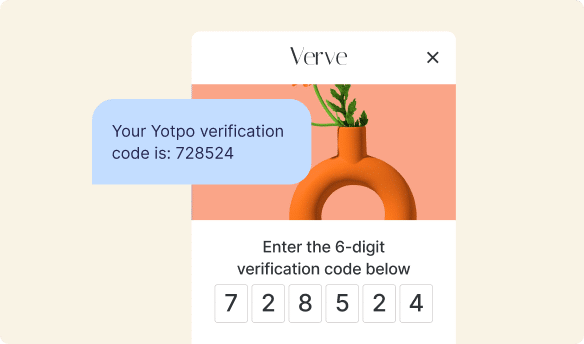











What is the core principle that makes referral programs so effective? The answer is trust. A recommendation from a friend carries inherent credibility, and this trust is the engine behind referral marketing—a strategy that transforms satisfied customers into a powerful growth channel.
For e-commerce brands, understanding the benefits for every party involved—the company, the new customer, and the referrer—is fundamental to unlocking sustainable growth. This guide will deconstruct how these programs create a win-win-win scenario to drive revenue and build lasting brand loyalty.
Key Takeaways
- Three-Way Value: Successful referral programs benefit the company (low-cost acquisition), the new customer (trusted recommendation and incentive), and the existing customer (rewards and social currency).
- Trust is Key: Referrals work because they are built on social proof. People trust recommendations from friends far more than traditional advertising.
- Higher Customer Value: Referred customers typically have a lower acquisition cost (CAC) and a higher lifetime value (LTV), making them one of the most profitable customer segments.
- Community Building: Beyond sales, referral programs strengthen existing customer loyalty and create a self-sustaining “viral loop” of brand advocates.
- Strategic Tools are Essential: Using a specialized solution like Yotpo Loyalty allows brands to build, manage, and optimize a customized referral program that aligns with their specific business goals.
Understanding the Core of Referral Marketing
Before we analyze the benefits, it’s essential to define what a referral program is. At its heart, a referral program is a structured system that incentivizes existing customers to recommend a brand to their network.
Think of it as digitized word-of-mouth. Instead of just hoping customers talk about your brand, this strategy gives them a clear incentive and an easy way to do it. When a referred friend makes a purchase, both the original customer (the referrer) and the new customer typically get a reward. This process creates a self-sustaining loop of customer acquisition and retention.
Why Is This Strategy So Effective?
The power of referral marketing comes from a single psychological principle: social proof. People inherently trust recommendations from friends more than they trust traditional ads. A referral isn’t just a marketing message; it’s a genuine endorsement. This is why a referred customer is often more valuable—they arrive with a pre-established foundation of trust.
For e-commerce businesses, harnessing this trust is transformative. It allows a brand to reach new customers in a way that feels authentic, not aggressive. A well-designed program doesn’t just find new buyers. It finds the right new buyers, people who are more likely to share the values of your existing happy customers.
In short, referral marketing formalizes the most powerful marketing channel there is: a personal recommendation.
The Trifecta of Wins: Benefits for the Company
For any e-commerce company, the primary goal is sustainable growth. Referral programs offer a direct path to this goal, with benefits that impact everything from your bottom line to your brand’s reputation.
1. High-Quality Customer Acquisition at a Lower Cost
A big challenge for online businesses is the rising cost of customer acquisition (CAC). Paid ads and marketing campaigns all require a big investment. Referral programs offer a more cost-effective alternative.
- Reduced Customer Acquisition Cost (CAC): Instead of spending big to attract cold leads, referral marketing uses your existing customers. The “cost” is typically the reward you offer. In most cases, this is much lower than acquiring a customer through paid channels. You pay for a successful conversion, not just a click, making your marketing spend very efficient.
- Increased Customer Lifetime Value (LTV): Getting customers affordably is only half the battle; getting the right customers is what matters. Referred customers consistently show a higher lifetime value (LTV). They tend to be a better fit, more loyal, and often spend more from their very first purchase.
This combination of a lower CAC and a higher LTV makes referral marketing one of the most profitable acquisition channels.
2. Building a Loyal and Engaged Community
Referral programs do more than drive sales. They are powerful tools for building a community around your brand.
- Strengthening Existing Customer Loyalty: Rewarding a customer for a referral is more than a transaction. It shows you value their loyalty and makes them feel like part of your brand’s story. This deepens their connection, turning them from a simple buyer into a brand advocate.
- Creating a Viral Loop: A successful program can create a self-perpetuating cycle of growth. A happy customer refers a friend, that friend becomes a happy customer and refers another, and so on. This “viral loop” can produce exponential growth driven by positive experiences.
3. Harnessing the Power of Authentic Social Proof
In today’s crowded market, consumer trust is everything. Customers are skeptical of ads but place huge weight on peer recommendations.
A referral is the most authentic form of social proof you can get. It’s a genuine endorsement. When customers put their reputation on the line to recommend you, it sends a powerful signal that’s far more persuasive than any polished ad campaign.
Implementing a Successful Referral Program
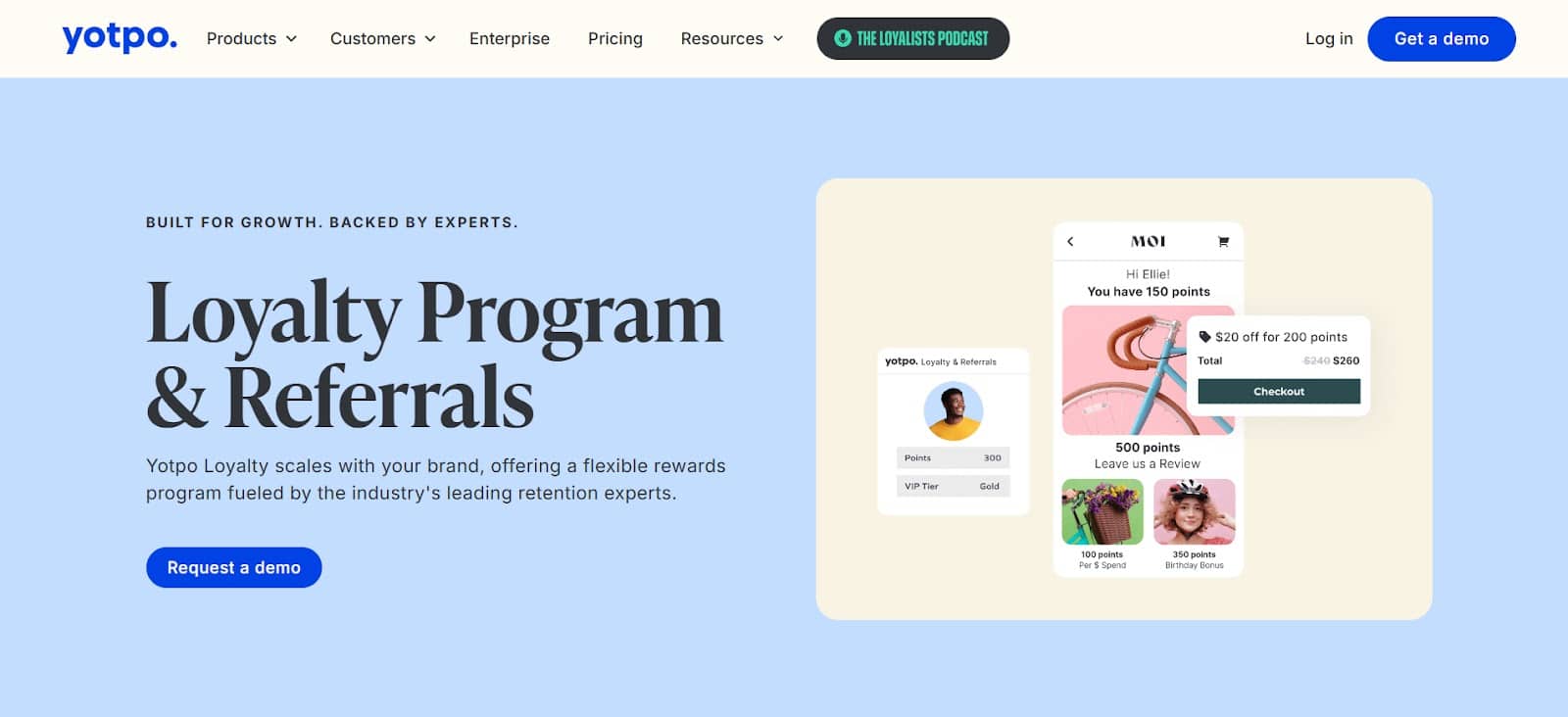
So, how do you put this theory into practice? This is where a strategic tool becomes essential. Yotpo Loyalty is designed with deep e-commerce expertise to help brands build and manage high-impact referral and loyalty programs.
Yotpo’s approach combines a flexible, customizable platform with strategic guidance from a team of experts. This lets you create unique referral experiences that feel like a seamless part of your brand. The platform offers robust reporting to monitor performance and segmentation to deliver targeted incentives, helping you identify your most valuable advocates.
Yotpo Loyalty’s advantage lies in its synthesis of market experience, dedicated strategic support, and advanced customization. A tool like this can function powerfully as a standalone solution for managing your referral program. A brand can implement it and achieve great results without a complete overhaul of its existing marketing stack.
The Second Win: Benefits for the Referred Customer
Next, let’s focus on the person receiving the recommendation—the new customer. For a referral to work, the offer has to be compelling for them, too.
1. The Confidence to Make a Purchase
A major hurdle in e-commerce is a new customer’s initial hesitation. A referral significantly lowers this barrier.
- Trust by Association: When someone gets a referral from a friend, they “borrow” that friend’s trust. The logic is simple: “If my friend likes this product, I probably will too.” This provides the confidence to move forward.
- Reduced Risk of Buyer’s Remorse: A referral gives an extra layer of assurance that the product will meet expectations. The new customer likely got honest feedback, which reduces the perceived risk of a bad purchase.
2. A Better and More Relevant First Experience
Referrals often lead to a better purchase. The referrer usually knows the new customer well and can recommend a specific product they think their friend will love. This personalization ensures the first interaction is highly relevant. It acts like a personal shopping service from a trusted source.
3. A Tangible Incentive to Try Something New
While trust is the foundation, a real incentive provides a powerful push. Most referral programs offer a reward to the new customer for their first purchase, like a discount or a free gift. This welcome offer is often the final nudge needed for conversion and starts the relationship on a positive note.
The Final Win: Benefits for the Referrer
Finally, let’s consider the person who makes it all happen: the loyal customer, or referrer. For a program to be sustainable, existing customers must be motivated to participate.
1. Tangible Rewards for Their Loyalty
The most direct benefit for the referrer is the reward they get. This is the brand’s way of saying thanks. Common rewards include discounts, store credit, cash, or free products. These provide a strong incentive for customers to actively promote your brand. This is an area where a platform like Yotpo Loyalty shines. It gives you the flexibility to design a reward structure that fits your brand and customers. You can set up tiered rewards or offer different incentives to keep the program engaging.
2. The Social Currency of Being a Connector
Not all benefits are financial. For many referrers, there’s a powerful social reward.
- Strengthening Social Bonds: Recommending a great product to a friend is a helpful act. It strengthens their social connection.
- The Status of Being “In the Know”: People enjoy being seen as experts in their social circles. By recommending a quality product, the referrer gains social currency.
3. A Deeper Connection to the Brand
Participating in a referral program can deepen a customer’s own relationship with your brand. The act of referring someone else solidifies their own loyalty. It forces them to think about why they like your brand, reinforcing their positive feelings. They shift from a passive customer to an active brand advocate.
Conclusion: Making Referrals a Cornerstone of Your Growth Strategy
Referral marketing is much more than a tactic for a short-term sales boost. It’s a fundamental strategy for building a sustainable, profitable e-commerce business. By understanding and catering to the benefits for the company, the new customer, and the referrer, you create a powerful cycle of growth fueled by trust.
Your happiest customers are your greatest marketing asset. A well-designed referral program gives them the tools and motivation to become vocal supporters. It lowers acquisition costs, increases customer lifetime value, and builds a loyal community of advocates invested in your success. In today’s competitive landscape, a referral program isn’t just an option; it’s an essential part of a modern, customer-centric growth strategy.
Frequently Asked Questions
How do I choose the right rewards for my referral program?
Selecting the right rewards is critical. Think about what your customers truly value. For many e-commerce brands, store credit or a percentage discount is highly effective because it encourages repeat business. For higher-priced items, a cash reward might be a stronger motivator. The key is to offer an incentive that is valuable enough to drive action but also financially sustainable for your business. A/B testing different rewards is a great way to see what resonates best.
How long does it take to see results from a referral program?
While you might see your first referrals within days, think of it as a long-term strategy. The initial phase is about letting your customers know the program exists. You can expect a steady stream of new customers within the first few months. The program’s true power, however, comes from the compounding effect over time. As your customer base grows, so does your pool of potential referrers.
How can I promote my referral program to my customers?
Effective promotion is key. Announce the program across multiple channels. Send a dedicated email, include a banner in your newsletters, and place a link on your website’s homepage. Post-purchase pages and order confirmation emails are also perfect spots. Don’t forget to use your social media channels to create buzz.
What’s the difference between a loyalty program and a referral program?
Although related, they serve different functions. A loyalty program rewards customers for their own repeat business and engagement (like making purchases or leaving reviews). A referral program specifically rewards customers for acquiring new customers. Many brands use platforms like Yotpo Loyalty to integrate the two, creating a comprehensive retention and acquisition strategy in one program.
How can I measure the success of my referral program?
Track key metrics like the referral rate (what percentage of customers make referrals), the conversion rate of referred customers, the average order value (AOV) of referred customers, and their lifetime value (LTV). A robust platform will provide a dashboard with these analytics to help you see what’s working and where you can improve.
What are the most common types of referral rewards?
The most common rewards are double-sided, meaning both the referrer and the new customer get a benefit. These often include percentage discounts, fixed-amount discounts (like $10 off), store credit, free products, or even cash rewards.
How can I prevent referral fraud?
To prevent fraud, set clear terms and conditions. You can implement rules like requiring the referred friend to be a new customer or to complete a purchase of a certain value. Some referral software also includes features to detect suspicious activity, such as multiple referrals from the same IP address.
Should my referral program be open to everyone or just existing customers?
Most programs are designed for existing customers, as they are your most credible advocates. However, some brands create “brand ambassador” programs that are open to anyone who wants to promote their products, even if they haven’t made a purchase yet.
Can a referral program help my SEO?
Indirectly, yes. While referral links themselves don’t typically pass SEO value, a successful program can lead to increased brand mentions, social media shares, and online reviews. This increased online buzz can send positive signals to search engines and improve your brand’s overall visibility.
What makes a referral message effective?
A great referral message is personal, clear, and highlights the benefit for both the sender and the recipient. Make it easy for your customers to share by providing a pre-written but editable message they can quickly send to their friends.
How does a tiered referral program work?
A tiered program offers increasingly valuable rewards as a customer refers more people. For example, a customer might get a 10% discount for their first successful referral, 15% for their second, and a $50 gift card for their fifth. This gamifies the experience and motivates top advocates to keep sharing.
Is it better to offer a cash reward or a store credit?
It depends on your goal. Store credit is often more cost-effective and guarantees the referrer will make another purchase, boosting retention. Cash can be a more powerful motivator for some, especially for high-value products, but it doesn’t tie the referrer back to your store.
How can I re-engage customers who haven’t made a referral yet?
Send targeted reminders to customers who have joined the program but haven’t referred anyone. You could highlight the rewards, share stories of successful referrers, or even offer a small bonus incentive for their first referral to get them started.


 Join a free demo, personalized to fit your needs