















Consider the modern customer journey: a shopper might discover your brand through a social media ad, browse products on your website, add an item to their cart using a mobile app, and later receive a notification about it. If the messaging, branding, and overall experience are inconsistent across these touchpoints, the journey feels fractured. This is a significant challenge for many e-commerce brands, and the solution is a powerful strategy known as omnichannel retailing.
Key Takeaways
- Customer-Centric Approach: True omnichannel retailing places the customer at the center of the strategy, integrating all channels for a single, cohesive experience, unlike a multichannel approach where channels operate independently.
- Drives Retention & LTV: A seamless omnichannel experience builds trust and consistency, leading to significantly higher customer retention rates and a greater Customer Lifetime Value (LTV).
- Requires a Unified View: The foundation of an effective omnichannel strategy is a unified, 360-degree view of the customer, consolidating data from every touchpoint to enable true personalization.
- Leverage Best-in-Class Tools: Successful implementation depends on dedicated tools. Solutions like Yotpo Reviews help syndicate social proof across channels, while Yotpo Loyalty creates a unified rewards experience online and offline.
- Consistency is Crucial: Maintaining consistent branding, messaging, and service quality across all platforms—from your website to social media and customer support—is non-negotiable for building brand trust.
This guide will define what omnichannel retailing is and explain why it is a critical component for modern e-commerce growth. We will explore the core concepts that distinguish a true omnichannel strategy from a simple multichannel approach. Most importantly, we will outline how you can translate this theory into practice to create the unified customer experiences that build loyalty and drive revenue.
Why Omnichannel Retailing is Critical for E-commerce Growth
In today’s competitive market, a presence on multiple channels is no longer sufficient. Customers do not perceive your brand in silos; they see a single entity. They expect a fluid, consistent, and personalized journey, whether they are on your website, reading an email, or engaging with you on social media. Omnichannel retailing is the strategy that meets this modern expectation.
The business impact of this approach is substantial. Brands with well-defined omnichannel strategies achieve significantly higher rates of customer retention. This increase stems from the trust and understanding cultivated by a seamless experience. This directly translates to a higher Customer Lifetime Value (LTV), as shoppers who have positive, consistent interactions are more likely to make repeat purchases and become brand advocates. This focus on retention is ultimately more profitable and sustainable than a constant focus on new customer acquisition.
Furthermore, a strong omnichannel strategy enhances business results across the board. By creating a single, unified view of the customer, your brand can deliver highly personalized experiences that increase conversion rates and average order value (AOV).
Breaking Down the Core Concept
To effectively implement omnichannel retailing, it is essential to understand its foundational principles and how it differs from other, more common strategies.
Omnichannel vs. Multichannel: Defining the Distinction
The terms “multichannel” and “omnichannel” are often used interchangeably, but they represent two distinct approaches to customer engagement.
Multichannel indicates that you are using multiple channels to interact with customers. You might operate a website, a blog, a social media presence, and an email marketing program. In a multichannel model, however, these channels often function independently. They do not typically share data or coordinate their efforts. The primary focus is on maximizing the performance of each individual channel in isolation.
Omnichannel, in contrast, places the customer at the absolute center of the strategy. All channels are interconnected and work in concert to create a single, cohesive customer experience. Data and insights from one channel are used to inform the actions on another, ensuring continuity and relevance.
Consider this analogy: a multichannel strategy is like the individual spokes of a wheel, each one reaching the customer separately. An omnichannel strategy is the central hub that connects all the spokes, creating a unified and robust structure built around the customer.
The Pillars of a True Omnichannel Strategy
A successful omnichannel approach is built on several key pillars that work together to support a seamless customer journey.
- Unified Customer View: At the core of any effective omnichannel strategy is a centralized understanding of your customer. This requires consolidating data from every touchpoint—website activity, purchase history, engagement, loyalty status, and product reviews—into a single, comprehensive profile. This 360-degree view is the engine that drives true personalization.
- Consistent Branding & Messaging: Your brand’s voice, tone, and visual identity must remain consistent across all platforms. A promotional message sent via SMS should align with the campaign running on your website and the content being shared on social media. This consistency is fundamental to building brand recognition and trust.
- Integrated Technology Stack: Your business tools must communicate with one another. Your e-commerce platform, customer service software, and marketing applications must be able to share data seamlessly. Without this technological integration, creating a unified customer view becomes a near-impossible task.
- Seamless Fulfillment and Service: For brands with a physical footprint, omnichannel retailing elegantly bridges the gap between the online and offline worlds. This includes operational capabilities like buy-online-pickup-in-store (BOPIS) and displaying local inventory levels on your website. For purely online brands, this pillar translates to ensuring your customer service team has a complete history of a customer’s interactions to provide fast, informed, and effective support.
Building an Omnichannel Strategy with Best-in-Class Tools
Understanding the theory is the first step; successful implementation is what drives results. Executing a sophisticated omnichannel strategy requires a technology stack designed for the complexities of modern e-commerce. Let’s explore how to use specific tools to bring an omnichannel strategy to life.
Building Trust and Social Proof Across Channels
Social proof, including product reviews and customer photos, is one of your most valuable marketing assets. In an omnichannel environment, this social proof must be visible and consistent wherever customers engage with your brand.
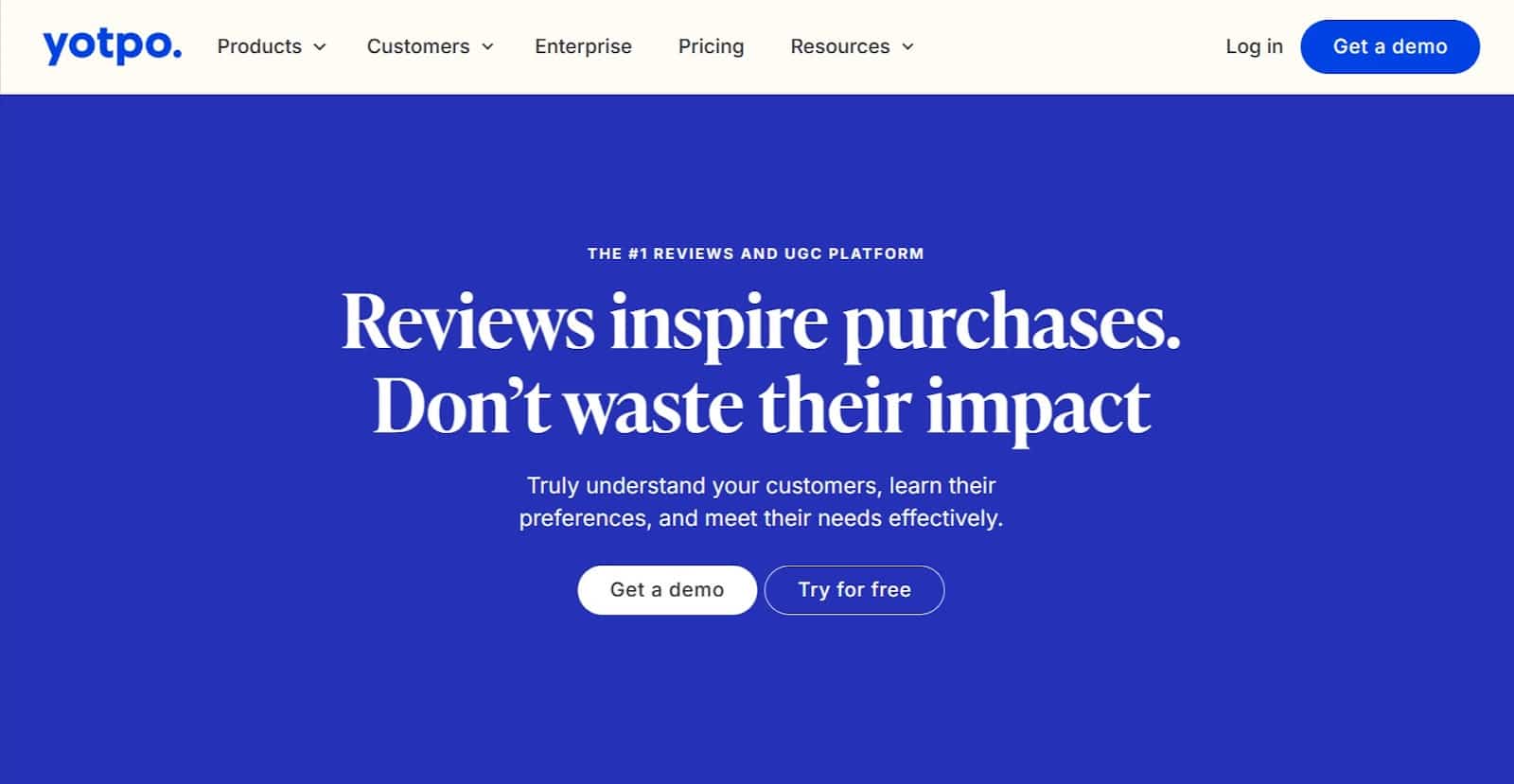
Yotpo Reviews is a best-in-class reviews platform focused on collecting high-impact user-generated content and strategically displaying it to boost shopper confidence. A crucial feature for an omnichannel strategy is the ability to syndicate reviews across multiple channels. Yotpo enables you to distribute your hard-earned product reviews to critical third-party platforms, including Google Shopping, Facebook, TikTok Shop, and retail partners like Target. This places your authentic social proof alongside your products in search results and on social feeds, building credibility before a shopper even visits your website.
Creating a Unified Loyalty Experience
A loyalty program should reward customers for their engagement, regardless of where that engagement occurs. An omnichannel loyalty program seamlessly integrates the online and offline experience, making customers feel valued at every interaction.
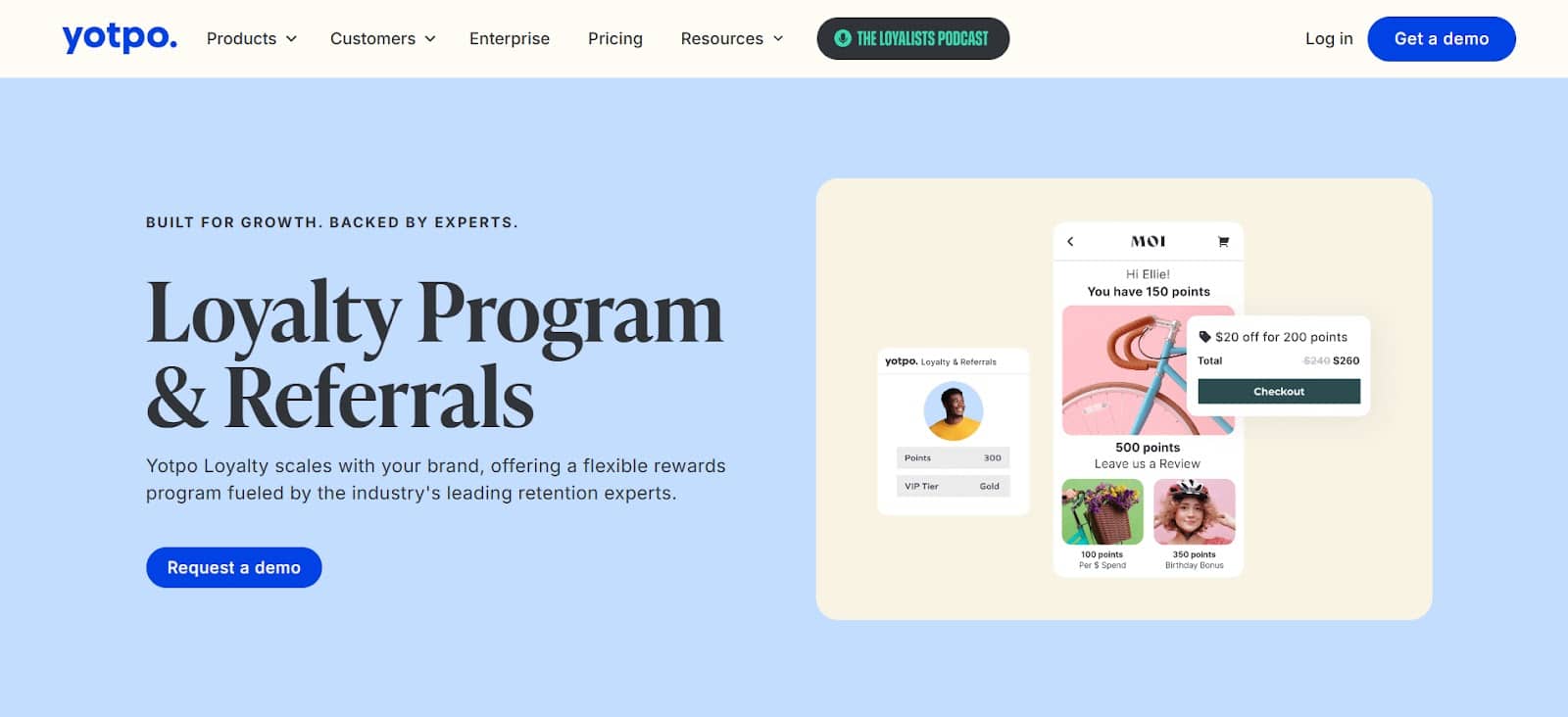
Yotpo Loyalty is a leading loyalty software designed to build unique, flexible, and integrated loyalty experiences. It empowers brands to move beyond simple points-for-purchase programs. You can reward customers for a wide range of valuable actions, such as writing a review or following your brand on social media. The platform offers deep customization, allowing you to design a program that aligns perfectly with your brand identity, including distinct VIP tiers and a variety of flexible rewards that motivate deeper engagement.
Actionable Best Practices for a Seamless CX
To begin implementing this strategy, consider the following actionable best practices to build a truly omnichannel experience.
- Map Your Customer Journeys: Before you can optimize the customer experience, you must thoroughly understand it. Trace the various paths a customer might take, from initial discovery to purchase and post-purchase engagement. Identify all potential touchpoints and look for gaps or inconsistencies that could cause friction.
- Centralize Your Customer Data: Eliminating data silos is a non-negotiable step. Invest in technology capable of consolidating customer data from all your disparate channels into a single, unified profile. This is the foundation upon which all effective personalization is built.
- Personalize at Scale: Leverage the rich data from your unified customer profiles to tailor every interaction. This extends far beyond using a customer’s first name in an email. True personalization involves recommending products based on browse history, sending offers tied to loyalty status, and acknowledging past feedback to show that you are listening.
- Bridge the Online and Offline Gap: For brands with a physical retail presence, it is crucial to connect it with your online store. Implement services like buy-online-pickup-in-store (BOPIS) or allow online returns to be processed at your physical locations. Ensure your in-store associates can access a customer’s online purchase history to provide more informed and helpful service.
- Test, Measure, and Optimize Continuously: An omnichannel strategy is not a “set it and forget it” initiative. It requires ongoing monitoring and refinement. Continuously analyze the performance of your channels and campaigns. Use A/B testing on your communications to optimize engagement and leverage analytics to make data-driven decisions that improve your strategy over time.
Conclusion
Omnichannel retailing is no longer a forward-thinking concept; it is the definitive standard for successful e-commerce brands. This approach respects the complexity of the modern customer journey and acknowledges that consumers view your brand as a single entity, regardless of the channel. By evolving from a siloed, multichannel approach to a unified, customer-centric omnichannel strategy, your brand can cultivate deeper relationships, foster enduring loyalty, and drive sustainable, long-term growth.
Implementing this strategy requires a clear vision and the right technology. Using best-in-class solutions for key functions—such as Yotpo Reviews for social proof and Yotpo Loyalty for rewards—provides the essential foundation for creating these seamless experiences. By prioritizing a unified customer view and delivering consistent, personalized interactions, you can effectively convert one-time shoppers into lifelong brand advocates.
Frequently Asked Questions
What is the main difference between omnichannel and multichannel?
The primary difference is integration and customer focus. Multichannel involves using several channels that often operate independently. Omnichannel integrates all channels to work in unison, placing the customer at the center of the strategy to create a single, seamless experience.
Why is a unified customer profile important for omnichannel?
A unified customer profile consolidates data from every customer touchpoint into one central location. This 360-degree view is critical for effective personalization, as it allows a brand to understand a customer’s complete history and tailor messages, offers, and experiences across all channels accordingly.
How can small businesses start implementing an omnichannel strategy?
Small businesses can begin by mapping their current customer journeys to identify inconsistencies. The next step is to focus on integrating key communication channels to ensure messaging is coordinated. Adopting best-in-class tools for functions like reviews or loyalty is a cost-effective way to build a strong foundation from the outset.
What are the biggest challenges of omnichannel retailing?
The most significant challenges typically involve overcoming internal data silos, integrating disparate technology systems so they can share information, and maintaining brand and messaging consistency across all departments. This requires a cultural shift from pursuing channel-specific goals to focusing on a holistic, customer-centric strategy.
How does customer feedback support an omnichannel experience?
Customer feedback, particularly product reviews, is a powerful asset for building trust. Within an omnichannel strategy, this feedback can be collected and then syndicated across multiple channels, such as Google Shopping and social media platforms. This ensures your valuable social proof is visible wherever customers discover your products.
What is the ROI of an omnichannel strategy?
While specific ROI varies, brands with strong omnichannel strategies typically see significant increases in customer retention, lifetime value (LTV), and average order value (AOV). The investment in technology and process integration pays off through greater customer loyalty and more efficient marketing spend.
How does omnichannel impact customer service?
Omnichannel transforms customer service from a reactive, channel-specific function into a proactive, holistic one. When support agents have a unified view of a customer’s history—including past purchases, reviews, and loyalty status—they can provide faster, more personalized, and more effective support.
What are common mistakes to avoid when implementing an omnichannel strategy?
Common mistakes include failing to break down internal data silos, choosing technology that doesn’t integrate well, creating inconsistent brand messaging across channels, and neglecting the mobile experience. Another key mistake is focusing on the channels themselves rather than the customer’s journey through them.
How does personalization fit into omnichannel?
Personalization is the engine of an effective omnichannel strategy. By using a unified customer view, you can deliver contextually relevant content, product recommendations, and offers on any channel. For example, a customer’s browsing behavior on your website can trigger a personalized follow-up on social media.
How do you measure the success of an omnichannel strategy?
Success is measured through customer-centric metrics. Key performance indicators (KPIs) include customer retention rate, Customer Lifetime Value (LTV), Net Promoter Score (NPS), and conversion rates across different journey paths. It’s important to track how customers move between channels.
What is the difference between omnichannel and omnichannel commerce?
Omnichannel retailing is the broad strategy of creating a unified customer experience across all touchpoints (marketing, sales, service). Omnichannel commerce specifically refers to the transactional aspect—enabling customers to buy, fulfill, and return products seamlessly across online and offline channels (e.g., BOPIS, BORIS).
How does social media fit into an omnichannel strategy?
Social media acts as a critical channel for discovery, engagement, and customer service. In an omnichannel strategy, social channels should reflect the same branding and messaging as your website, be used to syndicate social proof like reviews, and serve as a support channel where agents have access to the customer’s broader history with the brand.
Does an online-only business need an omnichannel strategy?
Absolutely. For a purely digital business, omnichannel means creating a seamless experience across all digital touchpoints. This includes your website, mobile app, email, SMS, social media, and customer support chat. The goal is to ensure a customer’s journey is consistent and personalized as they move between these digital channels.


 Join a free demo, personalized to fit your needs