














With customer acquisition costs on the rise, many ecommerce brands face a tough challenge. Because of this, businesses are turning their focus from finding new customers to a more profitable strategy: customer retention. A well-designed loyalty program is a huge part of this shift.
Key Takeaways
- Strategy First: A successful loyalty program requires clear business objectives (like increasing LTV or repeat purchase rate) and a deep understanding of what motivates your customers before you build anything.
- Psychology Matters: Effective programs use psychological principles like reciprocity, gamification, and loss aversion to create a deeper, more emotional connection with customers.
- Flexibility is Crucial: The best loyalty solutions, like Yotpo Loyalty, offer the flexibility to build different types of programs—from points-based and tiered systems to referrals and VIP clubs—all tailored to your specific brand and customer base.
- Beyond Discounts: While transactional rewards like discounts are important, experiential rewards like early access and exclusive content are what truly build a community and turn customers into brand advocates.
However, not all loyalty programs are the same. Old, simple tactics don’t meet the expectations of today’s shoppers. Customers now expect personal, engaging experiences that show them they’re valued by a brand. This guide breaks down powerful loyalty program models that are proven to work. We’ll look at why they succeed and show you how to use them to turn one-time buyers into loyal brand fans.
Establishing a Strategic Foundation for Your Loyalty Program
A successful loyalty program starts with a clear plan. Launching a program without a solid strategy can lead to low customer engagement and poor business results. It’s essential to set up these foundational pieces first.
Defining Clear Business Objectives
First, you need to define what success looks like in concrete, measurable terms. A vague goal like “increasing loyalty” is a nice thought, but it isn’t a real business objective. Your goals should be specific, measurable, achievable, relevant, and time-bound (SMART).
Consider focusing on a primary objective, such as:
- Increasing the Repeat Purchase Rate by a specific percentage within 12 months.
- Boosting Customer Lifetime Value (LTV) for program members compared to non-members.
- Improving Average Order Value (AOV) by encouraging members to hit reward thresholds.
- Generating a target number of new customers through referrals each quarter.
Without these clear goals, you can’t measure your program’s performance or prove its value.
Understanding Customer Motivations
Next, you have to develop a deep understanding of your customers. What motivates a shopper at a high-end fashion brand will be very different from what drives a customer buying everyday goods.
Use data to get this insight:
- Survey your existing customers. Ask them directly what kinds of rewards or benefits they find most appealing. Do they prefer discounts, exclusive products, early access, or free shipping?
- Analyze purchase data. Pinpoint your most valuable customers. Look at what they buy and how often. Understanding your current VIPs’ behavior can help you design a program that encourages other customers to act similarly.
- Create customer personas. Build detailed profiles for your different customer segments. A new shopper has different needs than a long-time brand advocate. A great loyalty program offers something valuable to everyone.
Financial Modeling and ROI
A loyalty program is an investment, and you need to understand its financial impact. A simple financial model can help you forecast your potential return on investment (ROI).
Consider these factors:
- Costs: These include the loyalty platform subscription, management time, and the cost of the rewards themselves.
- Projected Gains: Estimate the financial lift from the program. For example, if you predict a 15% increase in repeat purchases from 10,000 members with an average order value of $50, you can calculate the expected revenue boost.
This analysis helps you set a realistic budget for rewards and makes sure your program is built for profitability from day one.
The Psychological Drivers of Customer Loyalty
A loyalty program’s success goes beyond just tangible rewards. The best programs are built on basic principles of human psychology. Understanding these ideas will help you design a program that connects with people on a deeper level.
- The Reciprocity Principle: Reciprocity is a powerful social rule. When someone receives something of value, they feel a natural urge to give something back. By giving customers unexpected points, a birthday gift, or a surprise reward, you trigger this instinct. This can create a desire to reciprocate with more business.
- Gamification and the Dopamine Loop: Gamification adds game-like features like tiers, progress bars, and badges to other contexts. These elements tap into the brain’s reward system. Every time a user finishes a challenge or earns a reward, their brain releases dopamine, which is linked to pleasure and motivation. This creates a fun feedback loop that encourages people to stay engaged.
- The Endowed Progress Effect: This principle shows that people are more motivated to finish a task if they get a head start. For example, a customer is more likely to complete a 10-punch reward card if it already has two punches than an empty 8-punch card. You can use this by giving new members a generous welcome bonus, making their first reward feel closer.
- Loss Aversion and Status: Research shows that people are often more motivated by avoiding a loss than by achieving a gain. Once a customer earns a high VIP status, the fear of losing that status and its perks can be a powerful reason to keep spending. This is why time-sensitive periods for keeping a tier are so effective.
- Community and Belonging: At its heart, deep loyalty is about feeling like you belong. A great program can make customers feel like insiders. By offering members-only content, private communities, or early access to products, you build a sense of community. This changes the customer relationship from just a transaction to a real connection.
7 Powerful Loyalty Program Models
A single loyalty solution does not fit all businesses. The optimal approach depends on your brand, products, and customer base. Here are seven effective models to consider for your ecommerce store.
1. The Points-Based Program
This is the most conventional loyalty program model due to its simplicity and ease of understanding.
- How it works: Customers earn points for specific actions. While the most common action is making a purchase, points can also be awarded for creating an account, subscribing to a newsletter, or leaving a product review. Customers then redeem these points for rewards such as discounts, free shipping, or exclusive products.
- Why it works: Its strength lies in its clarity. The value exchange is direct and easy to comprehend, providing a consistent incentive for customers to engage with the brand across multiple touchpoints.
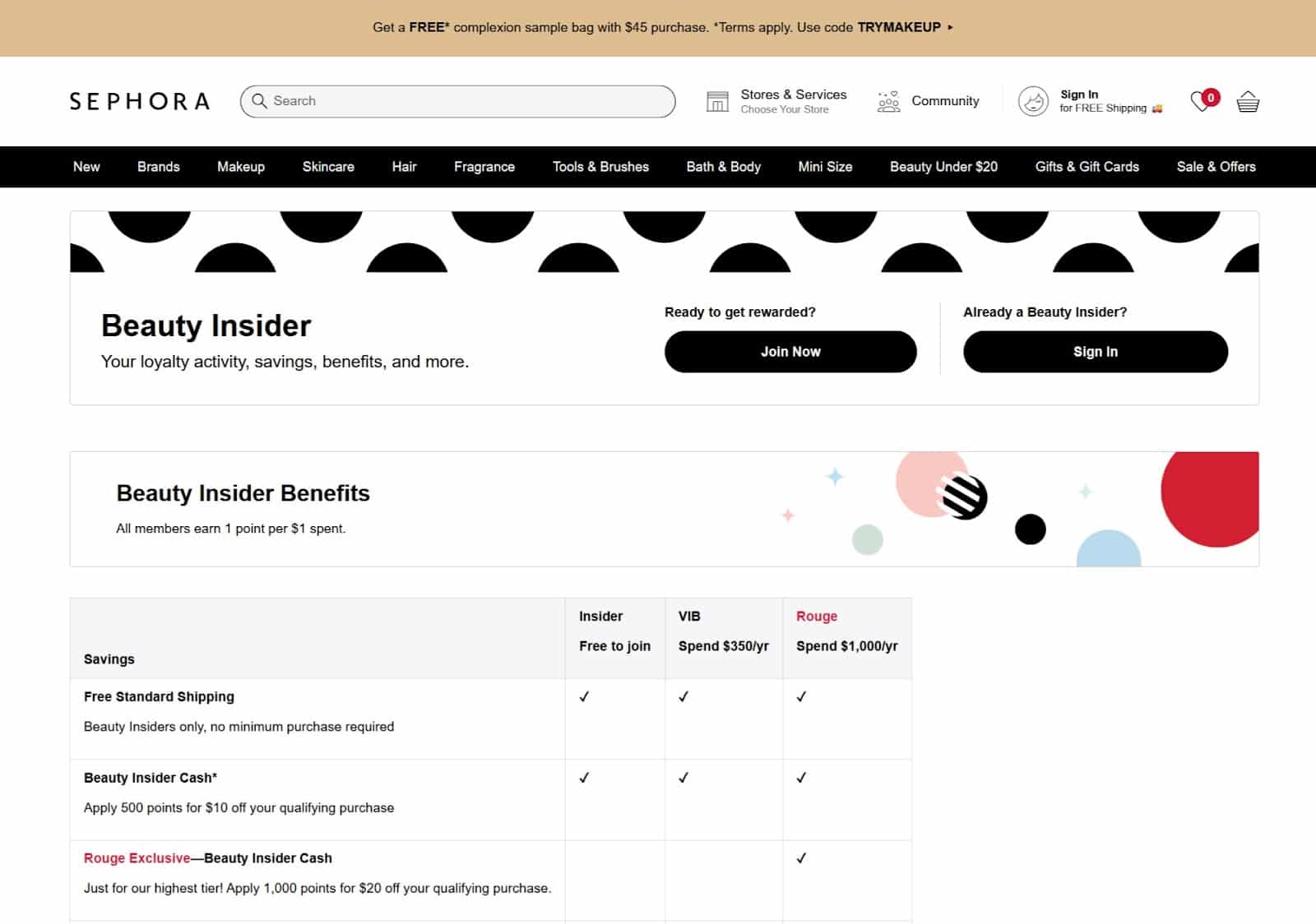
- Market example: Sephora’s Beauty Insider program allows members to earn points on purchases, which can be redeemed for various products. Its straightforward mechanic makes it highly accessible.
- Potential challenges: The ubiquity of this model means it can feel generic. Success depends on offering diverse earning opportunities and genuinely appealing rewards.
2. The Tiered Program
Tiered programs add an aspirational element to the points-based model and are highly effective at motivating customers to increase their engagement over time.
- How it works: Customers unlock new levels of benefits based on spending or points accumulated within a specific period. Each tier offers progressively more valuable and exclusive perks, such as early access to new products or complimentary shipping.
- Why it works: Tiered programs leverage the human desire for status and achievement. By gamifying the shopping experience, they encourage customers to consolidate their spending with one brand to attain a higher level of recognition and benefits.
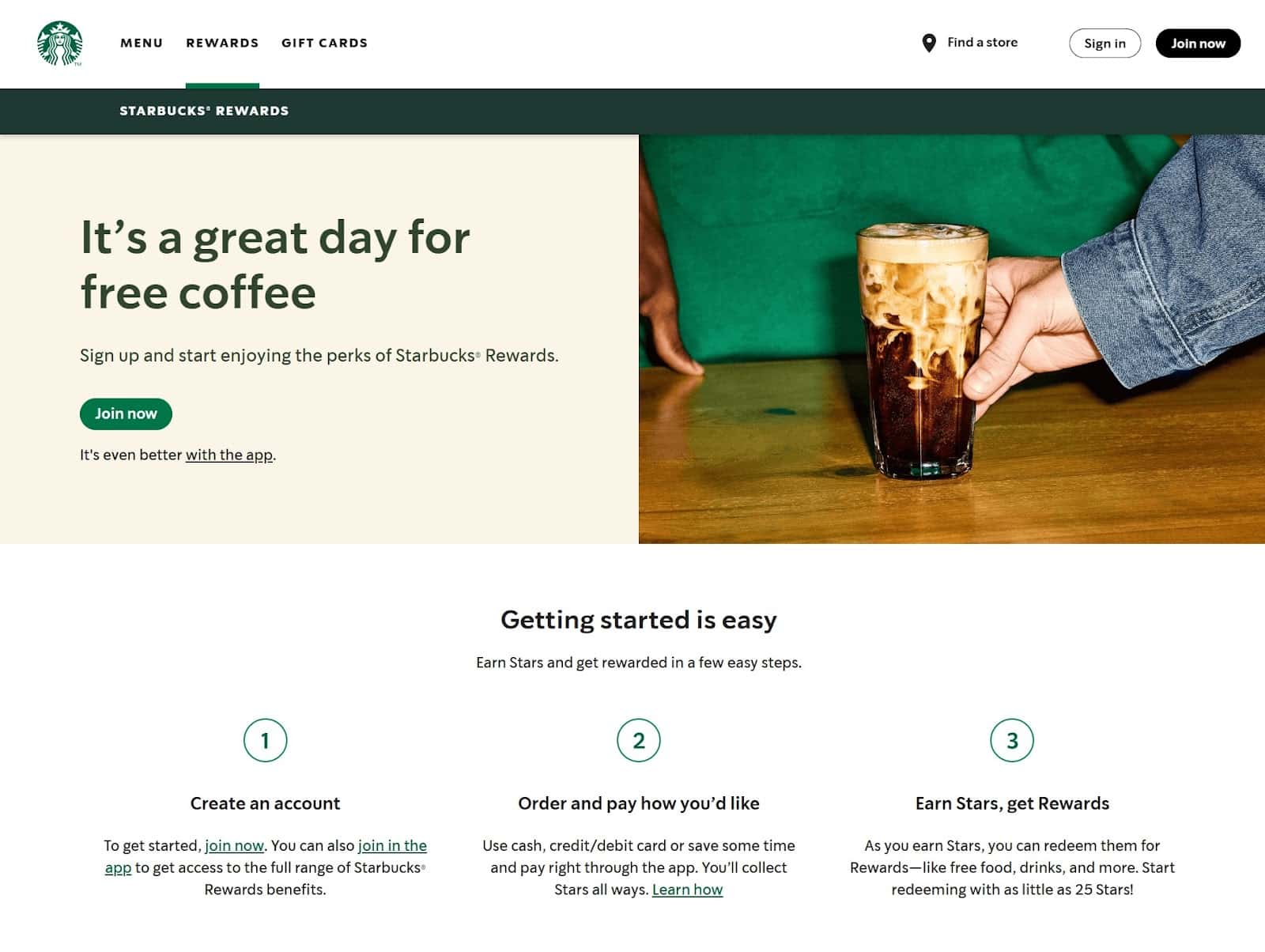
- Market example: The Starbucks Rewards program moves customers through different levels, unlocking new perks at each stage. This aspirational path drives continuous engagement.
- Potential challenges: The benefits of each tier must be substantial enough to motivate progression. If the perceived value between tiers is insignificant, the program’s motivational power diminishes.
3. The VIP & Paid Program
For brands with a highly committed customer base, a paid membership program can be exceptionally effective.
- How it works: Customers pay a recurring fee for instant access to premium benefits not available to other shoppers. These can include permanent discounts, members-only products, or complimentary express shipping.
- Why it works: This model creates a strong psychological commitment. Customers who pay for a membership are motivated to maximize its value, leading to higher purchase frequency. It also provides the business with a predictable, recurring revenue stream.
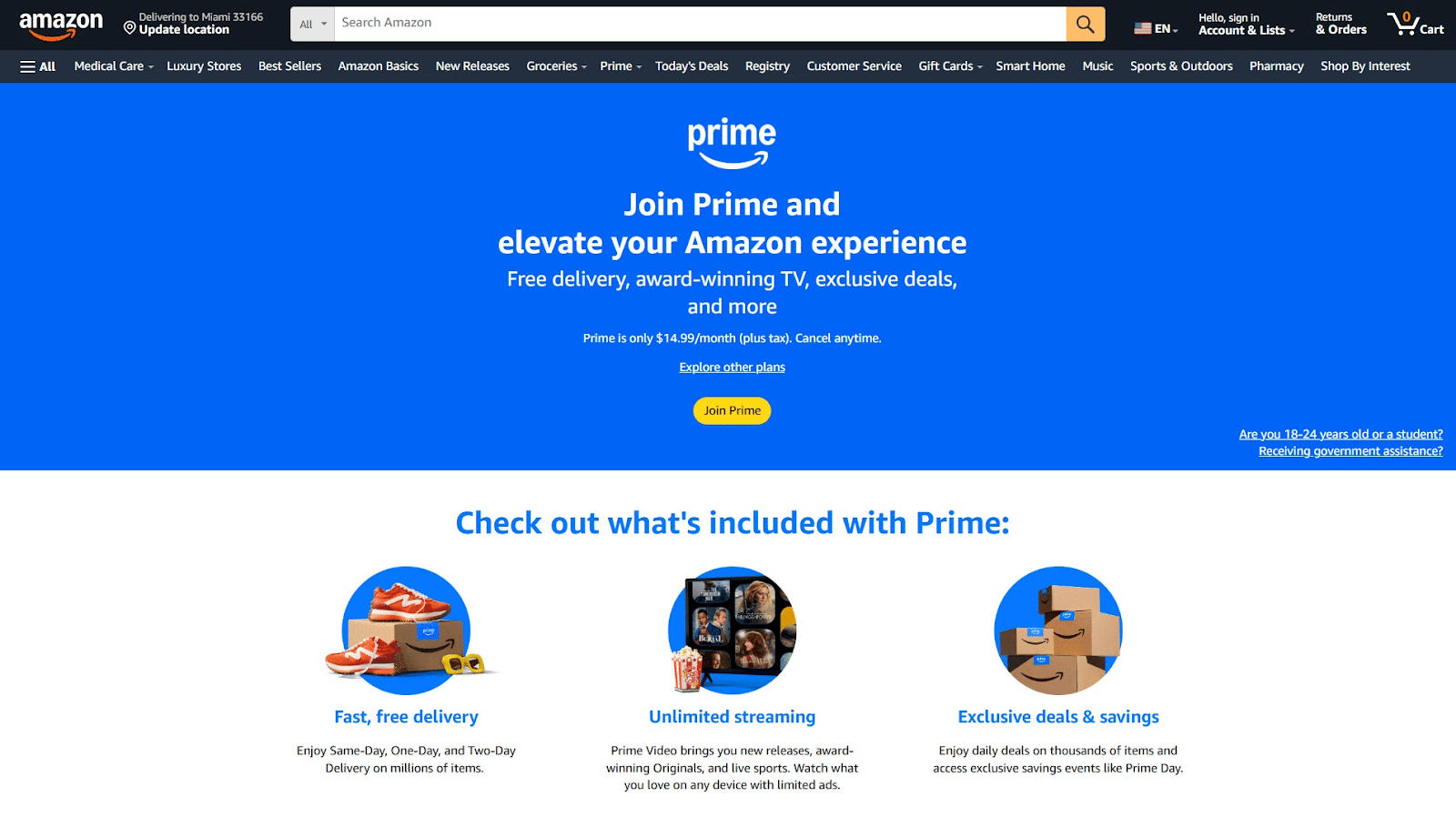
- Market example: Amazon’s Prime membership is a well-known example where an annual fee unlocks a suite of benefits, primarily fast, free shipping.
- Potential challenges: The value proposition must be exceptionally strong. Customers will only subscribe if the perceived benefits clearly outweigh the membership cost.
4. The Value-Based Program
This model connects customer loyalty to a social cause or charitable initiative, appealing to consumers who prioritize shared values.
- How it works: A portion of a member’s purchase is directed toward a specific cause. For instance, the brand might plant a tree, donate a product, or contribute a percentage of sales to a partner charity.
- Why it works: This approach forges a deep, emotional connection. It reframes a transaction as an act of positive contribution, fostering a level of loyalty that discounts alone often cannot achieve.
- Market example: The brand Tentree plants ten trees for every item purchased. This mission is central to their identity and creates a powerful incentive for customers to choose them.
- Potential challenges: Authenticity is paramount. The chosen cause must genuinely align with the brand’s values to avoid appearing as a disingenuous marketing tactic.
5. The Referral Program
A referral program formalizes and incentivizes word-of-mouth marketing by empowering customers to become brand advocates.
- How it works: Existing customers receive a unique referral link. When a new customer makes a purchase using that link, both the referrer and the new customer receive a reward, such as a discount, store credit, or bonus points.
- Why it works: This is a highly cost-effective marketing channel. A recommendation from a trusted source is more influential than traditional advertising. It allows your most satisfied customers to become your most effective marketers.
- Market example: Dropbox‘s early growth was significantly fueled by its referral program, which rewarded users with additional storage space. A “Give $10, Get $10” model is a common and effective e-commerce application.
- Potential challenges: The product and customer experience must be exceptional. Customers will only refer to brands they genuinely trust. The process must be seamless and the rewards compelling.
6. The Hybrid Program
A hybrid program strategically combines elements from different models to create a customized solution that appeals to a wider range of customer motivations.
- How it works: This approach layers different mechanics. A program might feature a points-based system as its foundation while incorporating VIP tiers that unlock with point accumulation, alongside a referral component that rewards advocacy with bonus points.
- Why it works: This model offers maximum flexibility. It provides the immediate gratification of a points system while building long-term aspiration with tiers, appealing to both new and established customers.
- Market example: Many successful brands utilize a hybrid approach, combining points, tiers, and exclusive access to create a comprehensive and engaging loyalty ecosystem.
- Potential challenges: The primary risk is over-complication. A program with too many rules can confuse customers and reduce participation. A successful hybrid program must feel robust yet intuitive.
6. The Gamified Program
A gamified program applies game-like mechanics to the loyalty experience to increase engagement and make participation more enjoyable.
- How it works: This model can manifest in various forms. It may incorporate “challenges” (e.g., “Purchase from 3 different categories to earn 500 bonus points”), digital badges for completing specific actions, or surprise rewards that are unlocked unexpectedly.
- Why it works: Gamification taps into intrinsic human motivations for competition, achievement, and reward. It makes interacting with the brand feel less transactional and more experiential. These playful elements can create highly memorable moments that strengthen a customer’s emotional connection.
- Market example: Fast-fashion retailer Shein provides a prominent example. The platform’s app includes a daily check-in feature, where users earn points simply for opening the app, with rewards increasing for maintaining a streak. This is enhanced with mini-games and challenges that offer more point-earning opportunities.
- Potential challenges: The gamified elements must feel authentic to the brand. A playful feature appropriate for one brand may feel out of place for a luxury retailer. The goal is to enhance the brand experience rather than feeling like a gimmick.
Building Your Program: The Best Solutions & Strategies
The right approach to loyalty depends on your brand, products, and customer base. A one-size-fits-all solution rarely works. The key is to choose a flexible platform that lets you build a program perfectly tailored to your business goals and customer motivations.
Yotpo Loyalty: A Flexible and Strategic Solution
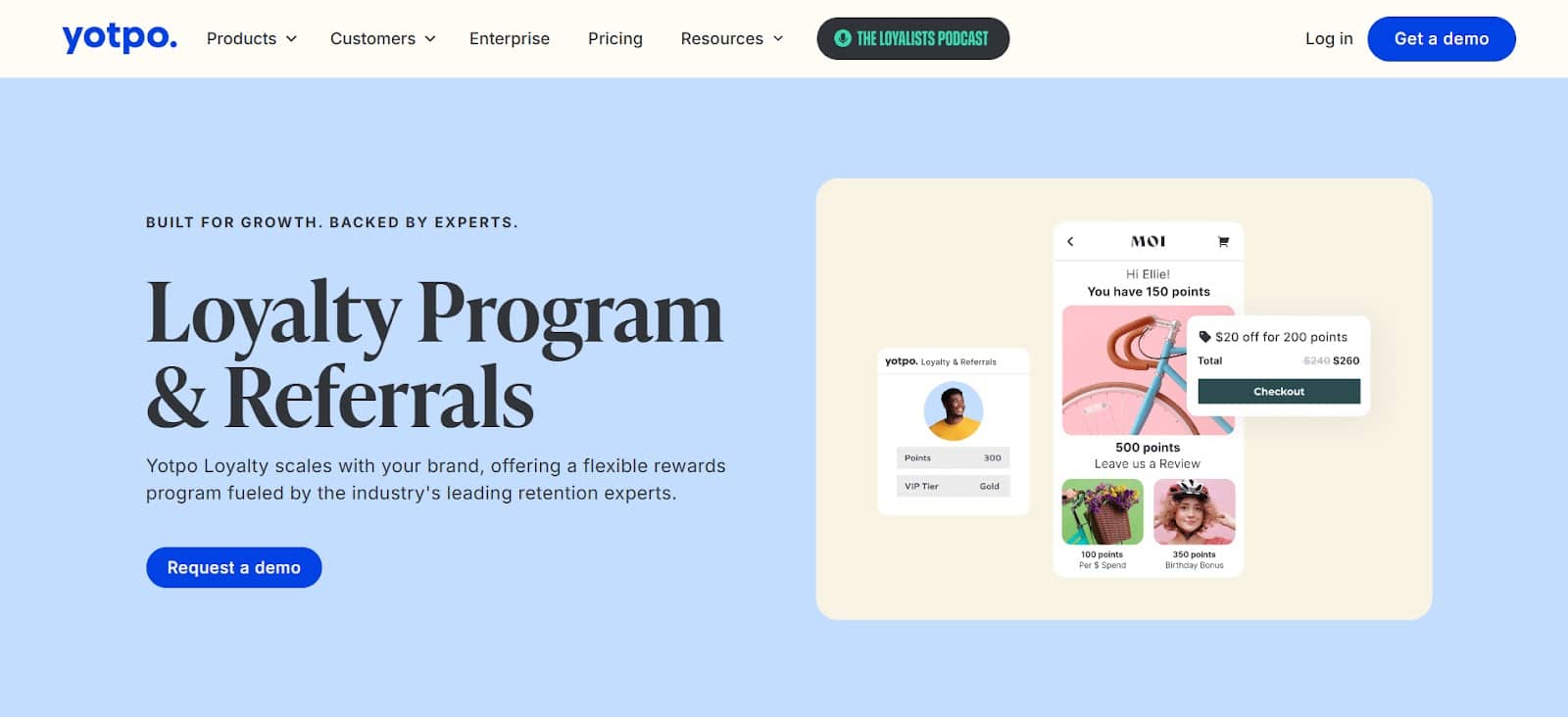
To put these ideas into practice, you need a platform built specifically for the needs of ecommerce. Yotpo Loyalty is designed to help you build and manage any of the program types we’ve discussed, from simple points-based systems to complex, multi-tiered hybrid models. It stands out by combining a flexible platform with expert strategic guidance.
With Yotpo, you gain a team of ecommerce loyalty experts who help you build a dynamic program. The platform allows you to:
- Establish a Points & Referrals Foundation: The core of any program is a clear way to earn and redeem rewards. Yotpo makes this simple and flexible. You can set up a wide variety of point-earning campaigns, letting customers earn for actions like making a purchase, creating an account, celebrating a birthday, or following on social media. You can even award loyalty points to customers who leave product feedback using Yotpo Reviews. For redemption, you have full control to offer discounts, free shipping, or even specific products.
- Create Aspiration with VIP Tiers: Tiers add a gamified, aspirational element. Yotpo gives you the flexibility to design a VIP experience that fits your brand. You can define multiple tiers and set entry rules based on points earned or dollars spent. For each tier, you can customize perks, offering escalating benefits like point multipliers or exclusive sales.
- Combine Models for a Hybrid Approach: Yotpo allows you to layer different mechanics. You could have a points-based system as the foundation, add VIP tiers that unlock with point accumulation, and include a referral component that rewards advocacy. This offers both the immediate gratification of a points system and the long-term aspiration of tiers.
- Customize the Brand Experience: Your loyalty program should feel like part of your brand. Yotpo provides extensive customization options to ensure a cohesive experience. You can design a branded loyalty page, customize on-site modules, and tailor every email to match your brand’s voice and style.
- Measure Success with Robust Reporting: An effective program needs strong analytics. Yotpo’s dashboard provides deep insights into your program’s performance, allowing you to track key metrics like program ROI, member engagement rates, and the repeat purchase rate of members vs. non-members.
This combination of a flexible platform and expert partnership helps you build a program that not only works but also evolves with your brand.
Common Loyalty Program Pitfalls and How to Avoid Them
Even well-planned loyalty programs can fail if they fall into common traps. Knowing these potential issues can help you make sure your program delivers real value.
- Excessive Complexity: If customers need a manual to understand your program, they will check out. The main value must be immediately clear. Solution: Keep earning and redemption rules as simple as possible.
- Unappealing Rewards: Offering low-value rewards or things that don’t align with customer interests will lead to indifference. Solution: Use customer research to offer rewards that are both valuable and desirable.
- The “Set It and Forget It” Approach: A loyalty program needs ongoing management. Without consistent promotion, even the best program will be forgotten. Solution: Treat your loyalty program like a product. Market it, run special promotions, and regularly analyze its performance.
- A Siloed Program: The biggest missed opportunity is failing to connect your loyalty program with other marketing efforts. If your loyalty data doesn’t inform your other marketing channels, you are not maximizing its potential. Solution: Choose a platform where loyalty data is easily accessible and can inform your overall strategy.
Conclusion
In today’s ecommerce world, customer retention is essential for profitable growth. A strategically designed loyalty program is a powerful tool for achieving this, moving beyond simple discounts to build lasting customer relationships.
As we’ve explored, many effective models exist. The best choice depends on aligning the program with your brand and what your customers expect. To bring this vision to life, a flexible, data-driven, and ecommerce-focused platform like Yotpo is essential. It helps manage the complexities of execution, allowing you to focus on what matters most: building enduring customer loyalty.
Frequently Asked Questions
What’s the difference between a loyalty program and a rewards program?
While people often use the terms interchangeably, a “rewards program” usually focuses on the simple exchange of points for purchases. A “loyalty program” is a broader strategy aimed at building a long-term, emotional relationship through a mix of rewards, tiers, exclusive access, and community-building.
How long does it take to see ROI from a loyalty program?
You can see early indicators, like member enrollment and engagement rates, within the first few weeks. However, the full ROI, measured by increases in customer lifetime value and repeat purchase rates, usually becomes clear over 3 to 6 months. A platform with robust analytics, like Yotpo, lets you track this ROI from day one.
Can small businesses have successful loyalty programs?
Yes. Loyalty programs can be especially powerful for small businesses, helping them build a strong community and compete effectively. Modern platforms like Yotpo make it affordable and easy for businesses of any size to launch a sophisticated program that drives results.
How do I encourage customers to join my loyalty program?
Good promotion is key. Make the sign-up process simple and offer an immediate incentive, like welcome points. Promote the program on your website, in emails, and on social media. Clearly explain the benefits to show customers why it’s worth joining.
Does Yotpo assist with the strategy for setting up a loyalty program?
Yes, this strategic partnership is a key differentiator for Yotpo Loyalty. Yotpo provides not just the software, but also expert guidance from a team of ecommerce loyalty specialists. They help you design your program structure—from tiers to rewards—based on industry best practices and data, ensuring your program is set up for success.
What are the most important metrics to track for a loyalty program?
You should focus on metrics like Repeat Purchase Rate (how often members buy again), Customer Lifetime Value (LTV), Average Order Value (AOV), and Redemption Rate (how often members use their rewards). Also, keep an eye on member growth and overall program ROI.
Should rewards expire?
It depends on your goals. Expiring points can create a sense of urgency (leveraging loss aversion) and encourage customers to redeem rewards. However, it can also create a negative experience if not communicated clearly. If you choose to expire points, make the policy simple and send reminders.
How much should I give back in rewards?
A common starting point is a 1% to 5% reward rate. For example, in a 5% model, spending $100 could earn a $5 reward. This might look like earning 1 point per dollar spent, with 100 points redeemable for a $5 discount. It’s crucial to model your costs to find a rate that is motivating for customers but also sustainable for your business.
How do I keep my loyalty program exciting over time?
To prevent your program from getting stale, you need to keep it fresh. Introduce limited-time campaigns (like a “Double Points Weekend”), add new ways to earn points, and update your rewards catalog with new products or experiences. Regularly communicating with members also keeps them engaged.
What’s the difference between a tiered program and a VIP program?
A tiered program automatically moves customers to higher levels with better perks as they spend more or earn more points. It’s an open path for everyone. A VIP program can be similar, but it often implies more exclusivity. It might be an invite-only top tier or even a paid membership where customers pay a fee for instant access to the best benefits.
Can a loyalty program help me get new customers?
Absolutely. A built-in referral program is one of the most effective ways to acquire new customers. It incentivizes your current loyal customers to spread the word, turning them into brand advocates. A “Give $10, Get $10” model is a very common and effective strategy.
How does a value-based program work?
A value-based program connects customer actions to a social or charitable cause. For instance, for every purchase a member makes, the brand might plant a tree or donate a portion of the sale to a partner charity. This approach builds a deep, emotional connection by aligning the brand with the customer’s values.
What is a “surprise and delight” reward?
This is a strategy where you give customers unexpected rewards, like a random bonus of points or an unannounced free gift with their order. Because these rewards are a surprise, they create a strong, memorable emotional response and reinforce positive feelings about your brand.


 Join a free demo, personalized to fit your needs