














In the ever-changing world of healthcare, building patient loyalty is more important than ever. Stronger patient relationships and healthier habits are top goals for today’s healthcare providers. A well-designed loyalty program is a fantastic tool for hitting these marks, creating a community around your practice and promoting long-term wellness.
This article takes a deep dive into healthcare loyalty programs. We’ll explore why they work so well and look at seven real-world examples for inspiration. Most importantly, we’ll give you actionable strategies to build a program that benefits your patients and supports your organization’s growth.
Key Takeaways
- Loyalty is Trust: In healthcare, loyalty isn’t about discounts. It’s built on trust, personalized care, and consistent engagement.
- Rewards Drive Wellness: Effective programs reward proactive health actions like attending check-ups and refilling prescriptions, leading to better patient outcomes.
- Technology is Essential: A seamless patient experience requires a robust, secure, and user-friendly technology platform.
- Compliance is Non-Negotiable: All programs must be designed from the ground up to comply with HIPAA and the Anti-Kickback Statute.
- Data Drives Optimization: Success depends on tracking the right metrics—like engagement, retention, and patient lifetime value—and using that data to continuously improve your program.
Why Do Healthcare Loyalty Programs Matter?
Unlike in retail, loyalty in healthcare isn’t driven by coupons or simple transactions. It’s built on trust, personalized care, and consistent engagement. Today’s patients act like consumers. They have choices and actively look for providers who deliver the best overall experience. A loyalty program offers a structured way to improve that experience and give patients great reasons to stick with your practice.
Think about the main challenges in healthcare: improving patient retention, ensuring medication adherence, and encouraging preventative care. A loyalty program tackles these issues directly. By rewarding patients for taking proactive steps—like scheduling annual check-ups, refilling prescriptions on time, or joining wellness challenges—you create a positive feedback loop that benefits everyone.
For patients, this approach offers a motivating way to manage their health. For your practice, the results include:
- Improved Patient Retention: Engaged patients who feel valued are far less likely to switch providers.
- Better Health Outcomes: Rewarding adherence and preventative care helps create a healthier patient population.
- Increased Revenue: A loyal patient base generates a stable and predictable revenue stream.
- Stronger Brand Reputation: Positive patient experiences lead to powerful word-of-mouth referrals.
Essentially, these programs turn the patient-provider dynamic from a transactional deal into a collaborative partnership focused on long-term health.
Key Components of a Successful Healthcare Loyalty Program
An effective healthcare loyalty program needs careful planning and a solid understanding of your patients. The best programs are tailored to the specific needs and motivations of the people they serve. Here are the essential components for building one.
Understanding Your Patient Base
Before you design anything, you need to understand your audience. What are their health goals and challenges? What truly motivates them? Use patient data and surveys to get insights into demographics, common health concerns, and communication preferences. This information will help you create rewards and messages that truly connect.
Choosing the Right Rewards
The rewards you offer are the heart of your loyalty program. In a healthcare setting, these incentives should align with the goal of promoting wellness. While gift cards or retail discounts can work, think about offering benefits directly tied to health.
Examples of effective rewards include:
- Discounts on wellness products or services, like nutritional supplements or gym memberships.
- Exclusive access to health education resources, including webinars or workshops.
- Priority scheduling for appointments.
- Points redeemable for health-related items through a dedicated online catalog.
- Contributions to a member’s health savings account (HSA).
The goal is to provide value that reinforces your commitment to your patients’ well-being.
Ensuring HIPAA Compliance
Navigating the regulatory landscape is a critical part of creating a healthcare loyalty program. The Health Insurance Portability and Accountability Act (HIPAA) has strict standards for protecting sensitive patient health information.
Your program must be designed with HIPAA compliance as a core principle. This means ensuring any technology platform you use has robust security measures. You also need clear policies for how patient data is collected, used, and stored. It’s vital to consult with legal counsel to confirm your program meets all regulations, including the Anti-Kickback Statute, which prohibits offering rewards to induce referrals for services paid by federal healthcare programs.
7 Examples of Innovative Healthcare Loyalty Programs
Let’s look at some real-world examples from organizations that are doing great work in this area. These cases cover different parts of the healthcare industry and offer valuable lessons for anyone looking to build a successful program.
1. CVS ExtraCare Plus
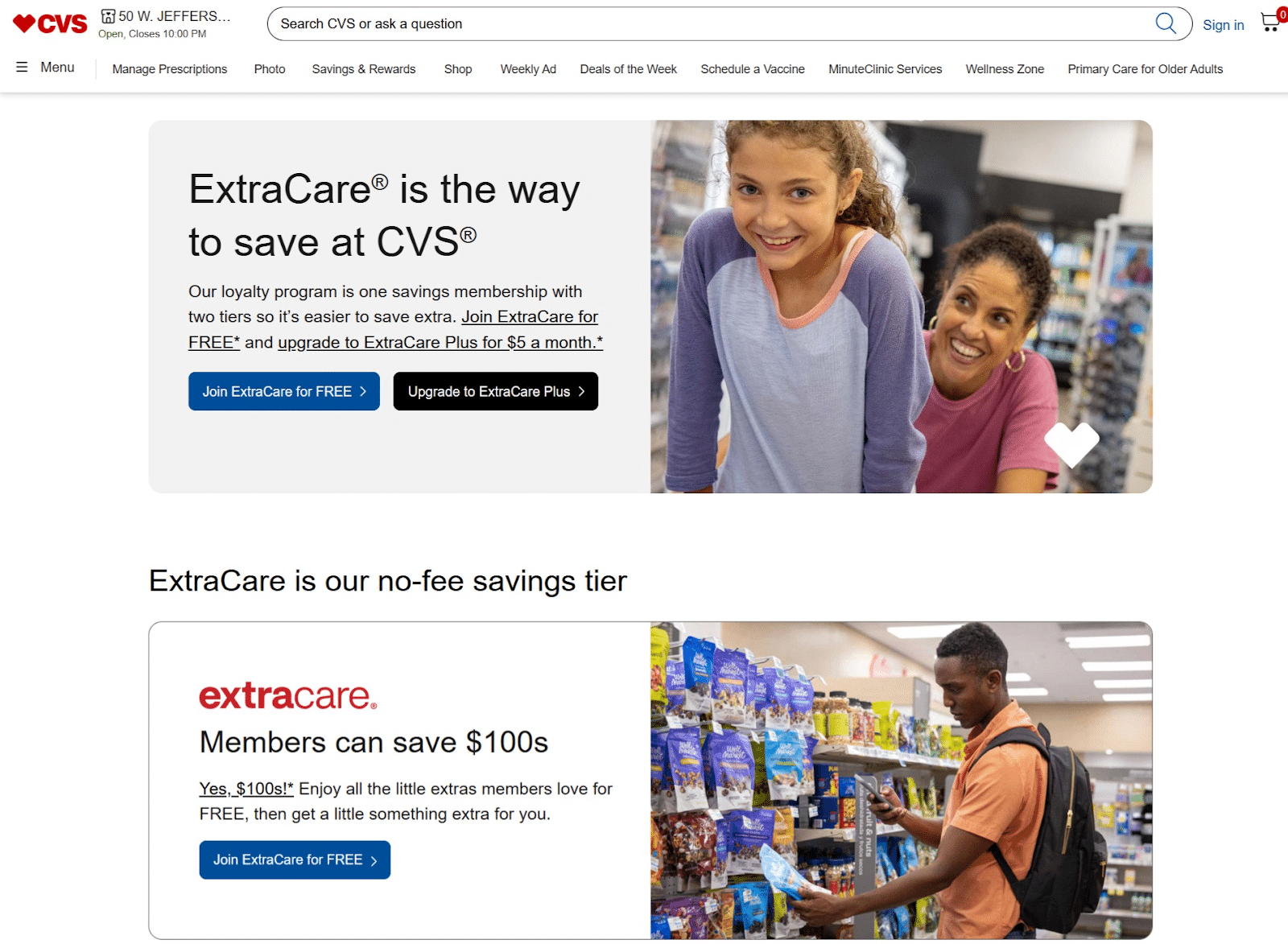
CVS has streamlined its loyalty offerings into a two-tiered program. The paid tier, now called ExtraCare Plus, combines immediate benefits with ongoing rewards. For a small monthly or annual fee, members get free same-day or 1- to 2-day shipping, free prescription delivery, a 20% discount on CVS Health brand products, and a $10 promotional reward each month.
- Why it’s Effective: The program provides clear, tangible value. Free delivery is a huge plus for patients with limited mobility, and the monthly reward encourages regular store visits.
- Key Takeaway: A paid membership model can work if the value is strong and directly addresses patient needs.
2. Walgreens Balance Rewards (myWalgreens)
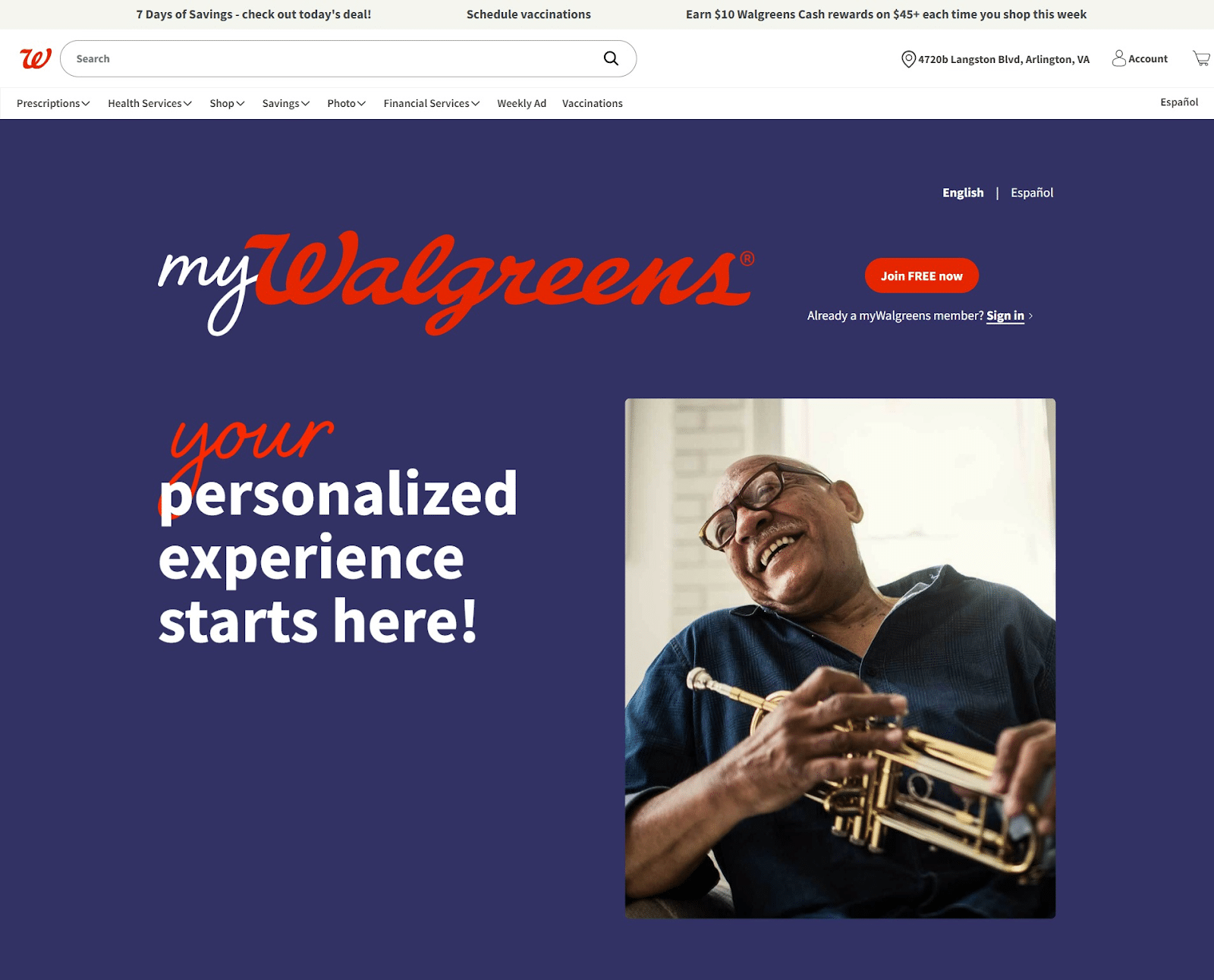
Walgreens focused its original Balance Rewards program on incentivizing healthy behaviors. Although it has since evolved into myWalgreens, its foundation in wellness incentives is a great case study. Members earned points for refilling prescriptions, getting immunizations, and even for physical activities like walking and running by linking fitness trackers.
- Why it was Effective: By linking rewards to proactive health management, Walgreens positioned itself as a partner in wellness.
- Key Takeaway: Rewarding healthy actions, not just transactions, drives engagement and establishes your brand as a true wellness resource.
3. UnitedHealthcare Motion

Insurance provider UnitedHealthcare created its Motion program to encourage members to stay active. Members get a wearable fitness tracker and earn financial rewards for meeting daily walking goals. These rewards can be applied to their health savings account (HSA).
- Why it’s Effective: The program is simple, motivating, and financially impactful. It creates a win-win: members improve their health and save money, while UnitedHealthcare benefits from a healthier member base.
- Key Takeaway: Direct financial incentives tied to measurable health goals can be a highly effective strategy.
4. Humana Go365
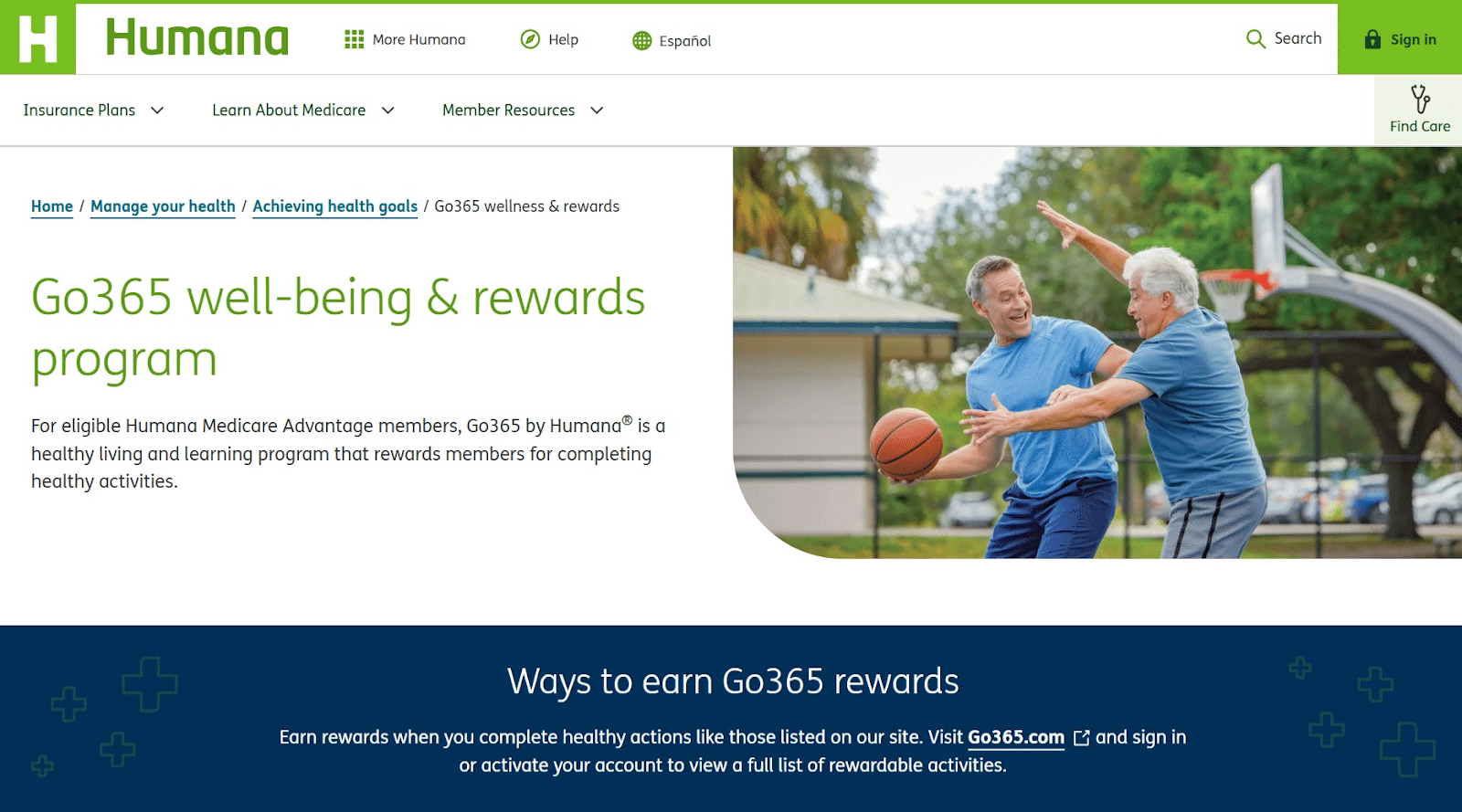
Similar to UnitedHealthcare Motion, Humana’s Go365 program offers a comprehensive wellness and rewards experience. Members earn rewards for a wide range of activities, from gym check-ins and fitness events to preventative screenings.
- Why it’s Effective: Go365 takes a holistic approach, recognizing that health is multifaceted. This flexibility makes the program appealing to a broad audience.
- Key Takeaway: Offer a variety of ways for members to earn rewards. A flexible program is more likely to keep people engaged.
5. The Vitamin Shoppe Healthy Awards
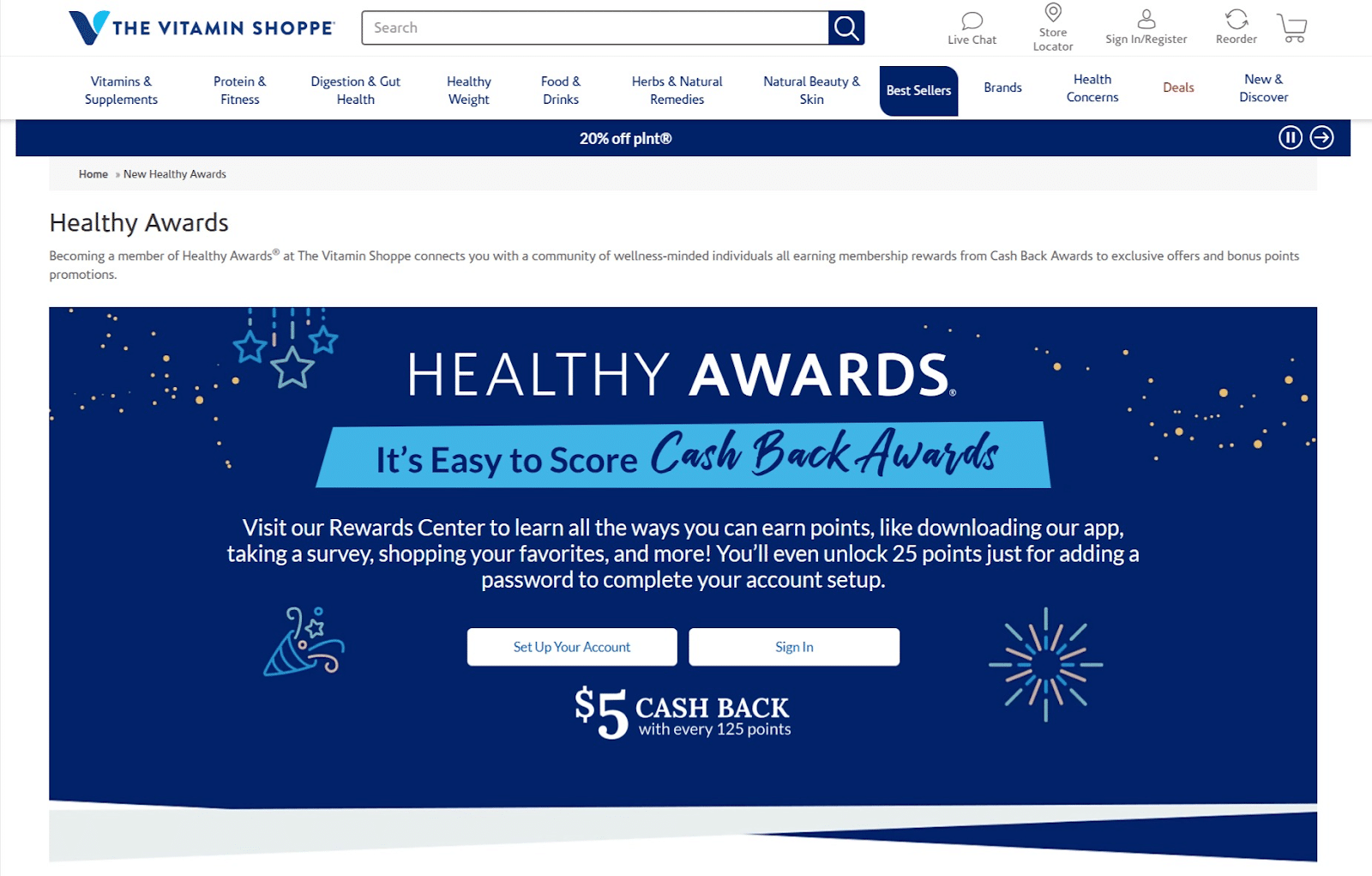
While The Vitamin Shoppe is a retailer, its Healthy Awards program offers valuable lessons. The program excels at creating community and delivering personalized value. It features tiered status levels (Bronze, Silver, Gold) that unlock extra benefits like personalized nutrition coaching and special event invitations.
- Why it’s Effective: The tiered structure creates a sense of aspiration and rewards the most loyal customers with exclusive benefits.
- Key Takeaway: Use a tiered system to reward your most valuable patients and offer them exclusive, high-value benefits.
6. Discovery Vitality
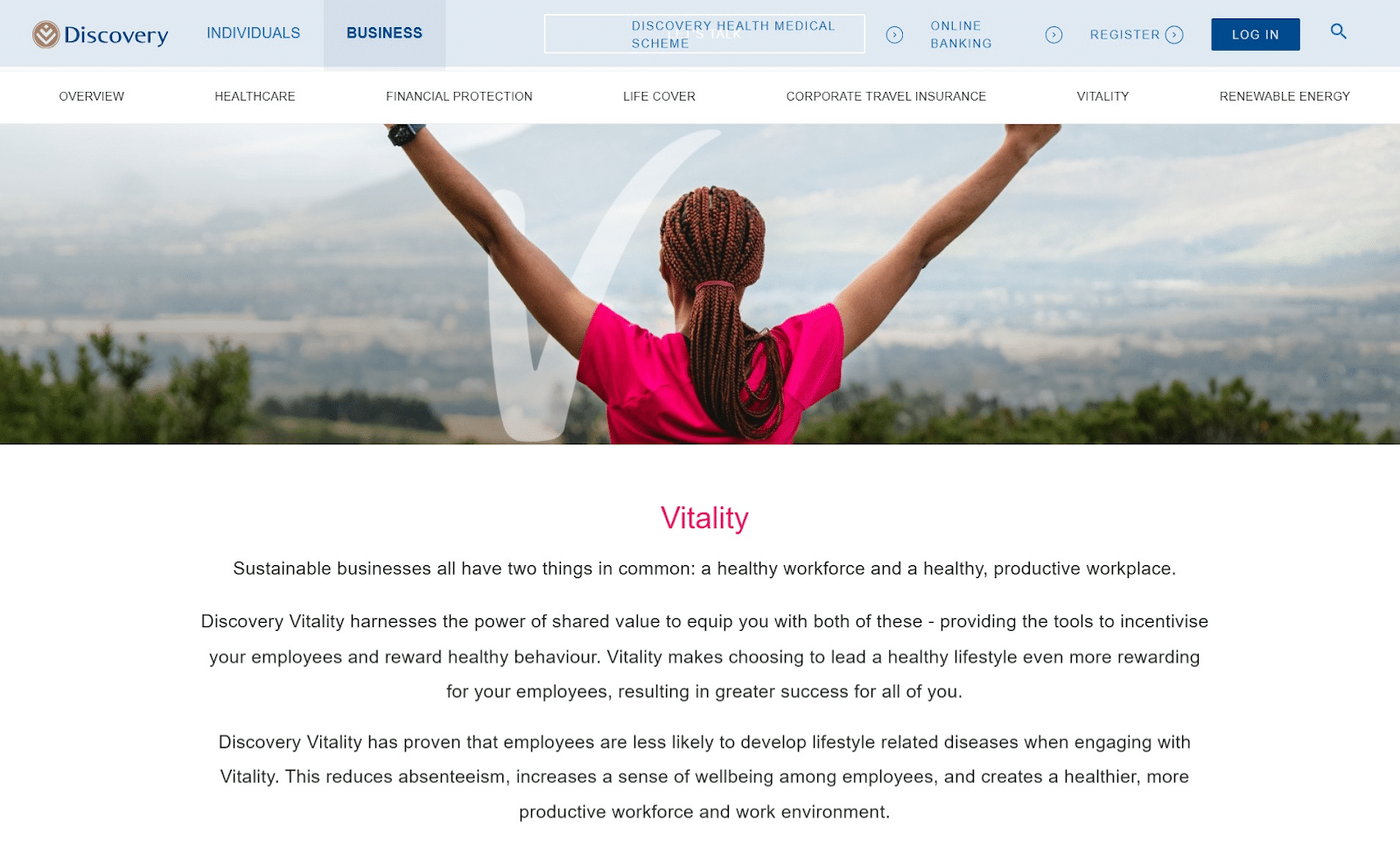
Discovery Vitality, which started in South Africa, is a globally recognized wellness program. It uses a science-based approach to incentivize healthy behaviors. Members earn points for everything from buying healthy groceries to exercising, unlocking discounts on travel, shopping, and insurance premiums.
- Why it’s Effective: Vitality’s strength is its sophisticated use of data and behavioral science. It creates a powerful ecosystem of rewards integrated into members’ daily lives.
- Key Takeaway: A data-driven approach, combined with a rich rewards ecosystem, can create a highly effective program.
Strategies for Building Your Own Healthcare Loyalty Program
Inspired by these examples? Building your own program is an achievable goal with the right approach. Here are the key strategies to guide you.
1. Start with a Clear Objective
First, define what you want to achieve. Before thinking about points and rewards, set your primary goal. Are you trying to:
- Increase patient retention by a specific percentage?
- Improve medication adherence rates for a target group?
- Boost the number of annual preventative screenings?
- Encourage more use of your online patient portal?
A clear, measurable objective will guide all your decisions and help you define success.
2. Design a Value-Driven Rewards System
Your rewards must be motivating for patients and sustainable for your practice. The key is to connect the actions you want to encourage with the rewards you provide.
A points-based system is often the most flexible. Here’s a simple framework:
- Define Earning Actions: Assign point values to specific activities. For instance: scheduling an annual physical (100 points), refilling a 90-day prescription (50 points), or completing an online health assessment (25 points).
- Create a Redemption Catalog: Determine how patients can use their points. For example, 1,000 points could equal a $10 discount on over-the-counter products, or 2,500 points could unlock a complimentary nutrition consultation.
Make sure the “earn rate” and “redemption rate” are balanced. It should feel achievable for patients to earn meaningful rewards without creating an unsustainable burden for your organization.
3. Choose the Right Technology Partner
Technology is the operational backbone of your loyalty program. An inefficient or hard-to-use system will quickly lead to patient frustration. You need a platform that is user-friendly, automated, integrated, and secure.
Building a Flexible Program with Yotpo Loyalty
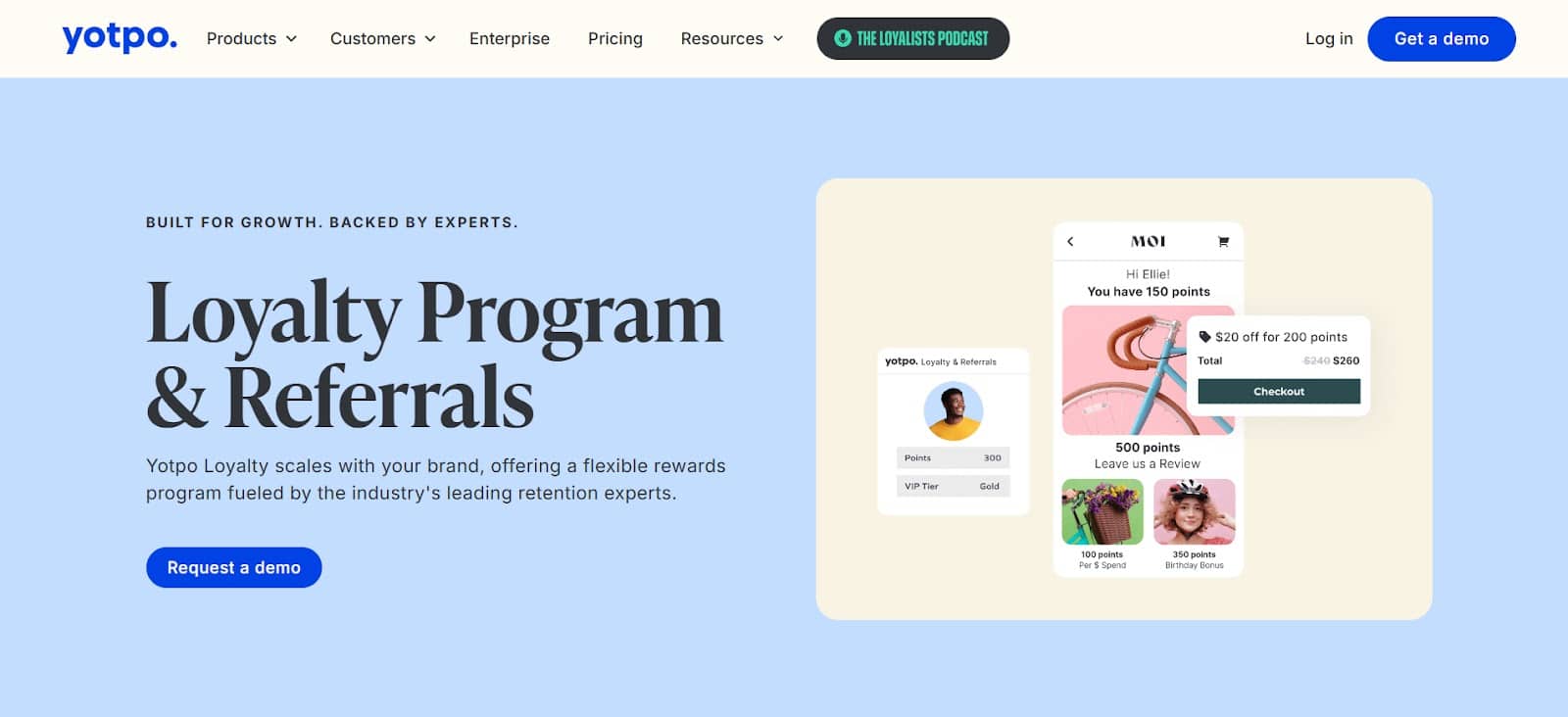
When picking a technology partner, you need a solution that offers both power and flexibility. The healthcare sector is unique, and your loyalty program must reward a distinct set of behaviors. Yotpo Loyalty is engineered to provide the deep customization and strategic support that healthcare organizations need.
A primary strength of Yotpo Loyalty is its flexibility in creating custom earning rules. You aren’t limited to rewarding only transactions. You can design rules to reward patients for actions that drive positive health outcomes, such as:
- Completing an annual wellness visit.
- Refilling a prescription on time.
- Reading a health education article on your blog.
- Participating in a community wellness challenge.
This level of customization lets you build a program that is perfectly aligned with your clinical and business goals.
Furthermore, building a healthcare program requires more than just software; it demands a strategic partnership. Yotpo Loyalty emphasizes this approach, providing dedicated Customer Success Managers (CSMs) who are experts in eCommerce loyalty. For a healthcare organization, this guidance is invaluable for navigating the unique challenges of patient engagement and ensuring the program is structured for success. They can help you develop the right reward structures and engagement tactics for your patient population.
The platform also provides robust, accurate reporting and insights. This lets you move beyond simply tracking points. You can analyze patient segments, understand which rewards are most effective, and measure the program’s impact on key metrics like patient retention and appointment frequency. This data-driven approach is essential for optimizing your program over time.
4. Communicate Your Program Clearly and Consistently
Once your program is built, a proactive communication strategy is essential.
- Launch Campaign: Announce the program across multiple channels: email, social media, and in-office materials.
- Onboarding: Create a simple, clear onboarding process for new members that explains how the program works.
- Ongoing Communication: Regularly remind patients of their point balances, new rewards, and opportunities to earn.
Make sure your staff is thoroughly trained so they can answer patient questions and encourage enrollment.
5. Measure, Analyze, and Optimize
A loyalty program is not a “set it and forget it” initiative. To ensure its long-term success, you must constantly monitor its performance.
Track the key metrics you defined earlier:
- Enrollment and active participation rates.
- Reward redemption rates.
- Patient retention rates for members versus non-members.
- Impact on specific health behaviors (e.g., adherence rates).
Use this data to see what’s working and what isn’t. Are certain rewards more popular? Are some patient groups not engaging? Use these insights to refine your program, test new offers, and continuously improve the patient experience.
Measuring the Success of Your Program
How do you know if your healthcare loyalty program is working? Measuring success requires looking beyond membership numbers to a mix of engagement metrics, behavioral changes, and financial indicators.
Key Performance Indicators (KPIs) to Track
- Engagement Metrics: These show how actively patients are participating.
- Enrollment Rate: The percentage of your eligible patient population that has joined.
- Active Engagement Rate: The percentage of members who have earned or redeemed points in a specific timeframe (e.g., the last 90 days).
- Redemption Rate: The percentage of earned points being redeemed. A low rate might mean your rewards aren’t appealing enough.
- Behavioral Metrics: These measure if your program is influencing patient behavior.
- Patient Retention Rate: Compare the retention rate of members to non-members.
- Appointment No-Show Rate: See if members have a lower no-show rate.
- Adherence Rate: Are members more likely to refill prescriptions on time?
- Financial Metrics: These help you understand the return on investment (ROI).
- Patient Lifetime Value (LTV): Is the LTV of a loyalty member higher than a non-member?
- Average Revenue Per Patient: Compare this metric for members and non-members.
By regularly tracking these KPIs, you can prove the value of your program and make smart decisions to optimize its performance.
Navigating Challenges and Regulations
While healthcare loyalty programs offer huge potential, they also come with a unique set of challenges and regulatory hurdles. It’s crucial to approach these issues with careful planning and a commitment to compliance.
- HIPAA and Data Security: As mentioned, HIPAA is a primary concern. Any data collected through your program is considered Protected Health Information (PHI). You must use secure technology and have Business Associate Agreements (BAAs) in place with any third-party vendors.
- The Anti-Kickback Statute (AKS): This federal law makes it illegal to offer rewards to induce referrals for services paid by federal healthcare programs like Medicare or Medicaid. It is essential to consult with legal counsel specializing in healthcare law to structure your program in a compliant way.
- Patient Privacy and Trust: Beyond legal requirements, patient trust is everything. Be transparent about your data practices. Use clear, easy-to-understand language in your privacy policy. Never sell patient data or use it for purposes patients haven’t consented to.
Navigating these challenges requires diligence. Assemble a team that includes legal, clinical, and marketing stakeholders to ensure your program is effective, engaging, and compliant.
The Future of Healthcare Loyalty
The idea of loyalty in healthcare is changing fast. As technology advances and patient expectations rise, several key trends will shape the future of these programs.
- Hyper-Personalization: Loyalty programs will move beyond one-size-fits-all models to deliver truly personalized experiences using AI and machine learning.
- Seamless Integration with Wearables: The integration with fitness trackers, smart scales, and other devices will become even more sophisticated, enabling real-time rewards for a wider range of healthy behaviors.
- Focus on Holistic Well-Being: Future programs will likely expand beyond physical health to include mental and emotional well-being, offering rewards for activities like meditation or mindfulness exercises.
- Gamification and Social Engagement: To keep patients motivated, programs will use more gamification elements like achievement badges, leaderboards, and team-based challenges to make health management more engaging.
The future of healthcare loyalty is bright. By embracing technology, personalization, and a holistic approach, healthcare organizations can build programs that not only drive business results but also empower patients to live healthier lives.
Frequently Asked Questions
Are healthcare loyalty programs HIPAA compliant?
Yes, they can and must be. Compliance is a foundational requirement. This involves using secure technology platforms, having Business Associate Agreements (BAAs) with vendors, and being transparent with patients about data usage. Always consult with legal counsel to ensure your program is fully compliant.
What kind of rewards can we offer?
Rewards should ideally promote health and wellness. Great options include discounts on wellness products, exclusive access to health education, priority appointment scheduling, or contributions to a Health Savings Account (HSA). Rewards that reinforce a healthy lifestyle usually have a greater impact.
How can we encourage patients to enroll in our loyalty program?
Effective promotion is key. Use a multi-channel strategy including email, social media, and in-office materials. Make sure the value proposition is clear and compelling. Also, train your staff to be advocates for the program, explaining its benefits to patients.
Can a small practice or clinic implement a loyalty program?
Absolutely. Modern loyalty platforms are scalable for organizations of any size. For a smaller practice, a loyalty program can be a powerful way to stand out and build strong patient relationships. You can start with a simple program and expand it over time.
How much does a healthcare loyalty program cost?
The cost varies depending on the technology platform, the complexity of the program, and the value of the rewards. Many modern platforms operate on a subscription model (SaaS), making them accessible even for smaller practices. The key is to calculate the potential return on investment through increased patient retention and lifetime value.
How long does it take to launch a program?
The timeline can range from a few weeks to several months. It depends on factors like technology integration, legal review, and the development of your rewards structure. A well-defined plan and a supportive technology partner can significantly speed up the process.
How do we prevent patient fraud or gaming the system?
A good loyalty platform will have built-in security features to prevent fraud. You can set limits on how many points can be earned in a certain period and monitor for unusual activity. Designing rules that reward genuine health-promoting activities also naturally discourages misuse.
What’s the most important factor for a program’s success?
Patient value. If patients don’t see clear, tangible benefits that help them on their health journey, they won’t engage. The program must be patient-centric, easy to understand, and offer rewards that truly matter to them.
Can we reward patients for referring new patients?
This is an area that requires extreme caution due to the Anti-Kickback Statute and other state-level regulations. While referral programs are common in other industries, they can be legally problematic in healthcare. It is essential to get specific guidance from legal counsel before implementing any reward for referrals.
How do we keep patients engaged with the program long-term?
Ongoing communication is crucial. Send regular updates on point balances, feature new rewards, and create special promotions or challenges. Personalization is also key; send targeted messages based on a patient’s health goals and past activities.
Should rewards expire?
This is a strategic choice. Expiring points can create a sense of urgency and encourage redemption, but it can also create negative feelings if a patient loses points they’ve earned. If you do implement expiration, make sure the policy is communicated clearly and you send multiple reminders before points expire.
Can we integrate the loyalty program with our existing patient portal?
Yes, this is an ideal approach. Integration creates a seamless experience where patients can manage their health and their loyalty rewards all in one place. Discuss the integration capabilities with any technology partner you are considering.
What if a patient doesn’t want to participate?
Participation in a loyalty program should always be optional. Patients must actively opt-in to join. Ensure that non-participation does not negatively affect the quality of care they receive in any way. The program is an added benefit, not a requirement.




 Join a free demo, personalized to fit your needs