












In today’s crowded eCommerce market, a great product isn’t enough. The entire customer experience (CX) matters. From the moment a shopper lands on your site to the weeks after their package arrives, every interaction shapes their perception of your brand. Get it right, and you build a loyal customer for life. Get it wrong, and you not only lose a sale… you might gain a public, 1-star review.
Bad CX costs brands an estimated $3.7 trillion globally each year. The good news? Most of these mistakes are entirely preventable. They don’t require a massive budget, just a shift in perspective—from “selling a product” to “managing a relationship.”
Let’s break down 17 common bad CX examples and explore practical ways to fix them.
To bring these examples to life, we’ll reference shopper personas from Yotpo’s 2025 BFCM On Tour report.
Key Takeaways: Bad Customer Experience Examples
- Trust is Built (or Broken) On-Site: Your website is your digital storefront. A lack of social proof (like reviews), poor mobile design, or confusing product information will send shoppers to your competitors in seconds.
- The Experience Doesn’t End at Checkout: The post-purchase phase is where loyalty is truly won. A difficult returns process or ignoring bad feedback does more damage than a high price tag.
- Feedback is a Gift, Not an Attack: Negative reviews are not a problem to be deleted; they are a free instruction manual on how to improve. Engaging with feedback publicly builds trust with all future shoppers.
- Loyalty is More Than Just Discounts: A generic, one-size-fits-all rewards program feels impersonal. Modern loyalty is about recognition, personalization, and making customers feel like valued insiders through VIP tiers and exclusive perks.
- Fixing CX Isn’t One-Department’s Job: A great experience requires your support, logistics, and marketing teams to work together. Using tools that share data (like how loyalty status can inform support) is critical.
1. No Social Proof or Customer Reviews
The Bad Experience
A new shopper—a spontaneous buyer like the ‘Kai’ persona—lands on your product page from an ad. He seeks immediate validation, that “treasure hunt” feeling of finding a great item. But the page is sterile. There are no star ratings, no customer photos, and no written reviews.
His confidence plummets. Is this site legitimate? Is the product any good? Why has no one else bought this? He sees no social proof, so he feels no trust. He bounces from your site and buys a similar (though slightly more expensive) product from a competitor whose page is covered in 4.5-star ratings and customer photos. You didn’t just lose a sale; you lost a potential long-term customer.
How to Fix It
You must build trust from the second a shopper arrives. Social proof is your most powerful tool for this. Research from our data bank shows that shoppers who interact with reviews and user-generated content (UGC) convert at a 161% higher rate than those who don’t.
Implement a Robust Review Strategy The fix here is to start collecting and displaying customer reviews immediately. This isn’t just about adding a widget; it’s about building a system.
- Make Collection Easy: Start by using an automated tool to request reviews after a purchase is delivered. The key is to make it frictionless. Don’t send customers to a complex, multi-page form. A simple in-email form where they can leave a rating and comment in one click works best.
- Display Reviews Prominently: Don’t hide your reviews on a separate page. Integrate them directly into your product pages. Show star ratings right below the product title, and display the full review widget further down. For a shopper like Kai, seeing “4.7 stars from 82 reviews” is an instant signal of trust.
- Leverage Visual UGC: Encourage customers to upload photos and videos with their reviews. This is the most authentic content you can possibly get. A potential buyer seeing your product in a real person’s home or on a real person drives a 137% lift in purchase likelihood.
A dedicated solution like Yotpo Reviews is built for this. It automates the collection process and provides beautiful, customizable, and mobile-friendly widgets to display reviews and visual UGC right on your site. This builds immediate trust and gives shoppers the confidence to buy.
2. Vague or Missing Product Information
The Bad Experience
A planned, strategic shopper like Orion is looking to buy a new piece of tech. He’s a researcher. He compares spec sheets, reads deep-dive reviews, and wants to know everything before he buys.
He lands on your product page and finds… almost nothing. The description is a single, fluffy marketing sentence. There’s no data on battery life, no dimensions, no information on what’s included in the box, and no details on material or compatibility. For Orion, this is a complete dead end. He can’t make an informed decision, so he assumes you’re either hiding something or don’t care enough to provide basic details. He leaves, frustrated.
How to Fix It
Your product page has one primary job: to answer every possible question a customer might have. If a shopper has to leave your site to find an answer, you’ve probably lost them.
Build the Ultimate Product Detail Page (PDP) This fix involves two parts: your content and your customers’ content.
- Write Better Descriptions:
- Benefits First: Start with a concise, engaging paragraph that explains how the product solves a problem or improves the customer’s life.
- Specs & Details: Follow up with a clear, easy-to-scan section of technical specs. Use bullet points. Don’t make the shopper hunt for dimensions, weight, materials, or compatibility.
- What’s in the Box?: This is a simple but crucial one. List exactly what the customer will receive. This prevents post-purchase disappointment.
- Use Reviews to Fill the Gaps: You can’t possibly anticipate every single question. This is where your customer community becomes your secret weapon. When you request reviews, don’t just ask, “How did you like it?” A powerful reviews solution lets you add AI-powered Smart Prompts. These are specific questions you can tie to certain products or categories, which are 4x more likely to capture high-value topics.
- For a piece of tech (for Orion): “What’s the real-world battery life?” or “Was it easy to set up?”
- For apparel: “How did this fit? (Runs small, True to size, Runs large)”
- For furniture: “How was the assembly process?”
The answers to these questions become part of the published review, creating an incredibly rich, detailed, and trustworthy set of information that your marketing team could never write on their own.
- Feed the AI: Detailed reviews don’t just help humans; they help search engines. With the rise of AI Overviews and GEO (Generative Engine Optimization), fresh, detailed review content helps LLMs understand your product and recommend it in search results.
3. A Poor or Clunky Mobile Experience
The Bad Experience
A shopper named Sol is browsing on her phone during her lunch break. She’s a “spontaneous gifter” and sees something perfect for her friend. She taps “Add to Cart,” but the checkout button is halfway off the screen. She tries to enter her shipping info, but the form fields are tiny, and tapping one zooms her screen in wildly.
After two minutes of pinching, zooming, and fighting with the layout, she gives up. The moment is lost, and so is the sale. With 71% of eCommerce traffic coming from mobile devices, a bad mobile experience is like locking your front door during business hours.
How to Fix It
This isn’t just a “nice to have” anymore. It’s a fundamental requirement. Your site must be mobile-first, not mobile-friendly.
Prioritize Speed and Usability
- Test, Test, Test: Don’t just assume your site works on mobile. Use your own phone (and your friends’ phones) to go through the entire purchase process. Add an item to your cart. Check out. Try to find the returns policy. If you get frustrated, your customers are getting frustrated.
- Optimize for Speed: Mobile shoppers are impatient. Compress your images, minify your code (a web development task to reduce file size), and cut down on clunky scripts that slow down your page load.
- Use Mobile-First Widgets: Every third-party tool you add to your site can impact performance. When choosing tools for reviews or loyalty, make sure they are built to be lightweight and responsive.
For example, Yotpo’s on-site widgets for Reviews and Loyalty are designed to be mobile-first. They load quickly and adapt to any screen size, ensuring they don’t interfere with the checkout process or slow down your page. This is critical for maintaining a high-performance site that converts mobile shoppers like Sol.
4. A Long and Confusing Checkout Process
The Bad Experience
A customer has done the hard part. They’ve browsed your site, compared products, read reviews, and finally, joyfully, clicked “Add to Cart.” They’re ready to give you money.
And then you stop them with a 5-page checkout flow. Page 1: Create an account (Why? They just want to buy). Page 2: Shipping info. Page 3: Billing info (Why isn’t this the same as shipping?). Page 4: Upsells and add-ons. Page 5: Final review.
This is a conversion killer. Forced account creation alone causes 26% of shoppers to abandon their cart. Every extra step, every unnecessary field, is a chance for the customer to get distracted, confused, or simply annoyed and abandon their cart.
How to Fix It
Your checkout process should be invisible, fast, and secure. The goal is to get from “cart” to “confirmation” with the least possible friction.
Streamline Your Checkout Flow
- Offer Guest Checkout: Never force a customer to create an account to make a purchase. This is the #1 cause of cart abandonment. You can ask them to create an account on the confirmation page, after the sale is complete, but not before.
- Combine Pages: Aim for a single-page checkout if possible. Shipping, billing, and payment should all live on one clean, simple screen.
- Auto-fill and Simplify: Use tools like Google Autofill for addresses. Only ask for information you absolutely need. Do you really need their phone number? If not, don’t make the field required.
- Show Progress: If you must have multiple steps, use a clear progress bar (e.g., “Step 1: Shipping > Step 2: Payment > Step 3: Review”). This shows the customer where they are and that the end is in sight.
You can also use this moment to reinforce the value of shopping with you. For example, if you have a loyalty program, you can display a simple message in the cart like, “You’re earning 150 points with this purchase!” This adds value without adding friction, encouraging the customer to complete the sale.
5. No Personalization or Irrelevant Recommendations
The Bad Experience
A customer has been buying from your outdoor supply store for years. They’ve bought men’s hiking boots, climbing gear, and backpacks. They are, by all accounts, one of your best customers.
They log onto your site and are immediately greeted with a homepage banner promoting a new line of women’s yoga apparel. The “Recommended for You” section shows products they’ve already purchased or items in categories they’ve never once looked at.
This experience feels impersonal and careless. It sends a clear message: “We don’t know you, and we don’t care to.” 71% of consumers expect personalization, and when the experience feels generic, they are more likely to check out a competitor who “gets” them.
How to Fix It
Personalization isn’t just about using a customer’s first name in an email. It’s about using their data to provide a relevant, one-to-one experience.
Use Loyalty Data to Drive Relevance Your best customers deserve a better experience than first-time visitors. Your loyalty program data is the key. A robust tool like Yotpo Loyalty doesn’t just track points; it tracks a customer’s entire relationship with your brand.
- Segment Your Audience: Use loyalty data to create customer segments.
- VIP Tiers: Your “Gold” members should see a different homepage than a non-member. Greet them with a “Welcome Back, Gold Member!” banner.
- Purchase History: Don’t show a customer hiking boots if they just bought a pair. Show them complementary items, like high-quality wool socks or waterproofing spray.
- Reward Preferences: If a customer always redeems their points for “Free Shipping,” don’t bother them with dollar-off discounts.
By connecting your loyalty data to your website and marketing, you can create a truly personalized journey. This makes your customer feel recognized and understood, which is the core of real, long-term loyalty.
6. Difficult or Punitive Returns Process
The Bad Experience
A customer buys a shirt, but the color doesn’t look the same in person as it did online. No problem, they think, I’ll just return it. They go to your website and find your returns policy, which is a wall of legal text.
They discover they have to email a support address, wait 2-3 business days for an RMA number, print their own label, pay for the return shipping, and will only be issued store credit (minus a “restocking fee”) 10-14 days after the item is received.
This is a terrible experience. The customer feels punished for a simple, common issue. They won’t just return the shirt; they’ll return and never shop with you again. With 67% of shoppers checking the returns page before making a purchase, this policy is actively hurting your conversion rate.
How to Fix It
A returns policy isn’t a legal defense; it’s a marketing tool. A great, simple returns process is a massive driver of customer confidence and loyalty.
Turn Your Returns into a Retention Tool
- Make it Simple: Have a clear, simple, human-readable returns policy. Use a self-serve returns portal on your site, not a support email.
- Pay for Returns (If You Can): Offering free returns is one of the biggest conversion drivers. If you can’t offer it to everyone, use it as a loyalty perk.
- Use Loyalty Tiers: This is a fantastic way to leverage your Yotpo Loyalty program.
- Base Tier: Standard 30-day returns.
- Silver Tier: Free return shipping.
- Gold Tier: 90-day return window + free shipping.
This strategy does two things: It solves the bad CX of a punitive returns policy, and it creates a powerful, tangible incentive for customers to spend more to reach the next VIP tier. You’ve turned a cost center into a profit-driver.
7. Ignoring Customer Feedback and Reviews
The Bad Experience
A customer has a problem with your product. It broke after two uses. They’re upset, so they leave a detailed, 1-star review on your site explaining what happened.
And then… crickets. Days and then weeks go by. The review sits there, unanswered. Not only have you permanently lost that customer, but every single future shopper who reads your reviews now sees that you ignore problems. You’ve publicly announced that you don’t stand by your product and don’t care about your customers.
How to Fix It
A review isn’t the end of a conversation; it’s the beginning. As e-commerce expert Amit Bachbut suggests, “Retention is the new acquisition.” Engaging with feedback (especially the bad stuff) is one of the most high-impact retention activities you can do.
Create a Feedback Engagement Strategy
- Monitor Everything: You need a system that alerts you when new reviews come in, especially negative ones.
- Respond Publicly: Thank the customer for their feedback (even if it’s harsh). Apologize for the problem.
- Take it Offline: In your public reply, offer to fix it. “We’re so sorry to hear this. That’s not the quality we aim for. Please check your email—our support team has just reached out to you to send a free replacement.”
- Use the Right Tools: A platform like Yotpo Reviews makes this easy. It gives you a central dashboard to see all your reviews, filter by star rating, and reply directly.
This action accomplishes three things:
- You have a chance to save the relationship with the unhappy customer.
- You show every future customer that you stand by your product and fix problems. This builds immense trust.
- You gain valuable insight into a potential product flaw you can now fix.
8. Asking for a Review at the Wrong Time
The Bad Experience
A customer orders a new skincare product. The package arrives, and the very next day, they get an email: “How did you like it? Leave a review!”
How could they possibly know? They haven’t even had a chance to use it. Or, in a different scenario, they order a complex piece of furniture, and the review request arrives before the item has even been delivered.
This feels thoughtless and spammy. It shows your automated systems are not aligned with the actual customer journey. The customer deletes the email, and when they are ready to leave a review, the moment is gone.
How to Fix It
Timing is everything. A review request that arrives at the perfect moment—after the customer has had time to experience the product’s benefits—will see a much higher conversion rate.
Use Smart, Triggered Review Requests Don’t use a simple “7 days after purchase” automation. Your strategy needs to be more intelligent.
- Base Triggers on Delivery: The clock shouldn’t start until the package is marked “delivered.”
- Create Product-Specific Cadences: Your review request timing should be different for every product category.
- Apparel: 5-7 days after delivery. Enough time to try it on.
- Skincare/Supplements: 21-30 days after delivery. Enough time to see results.
- Food/Drink: 2-3 days after delivery.
This level of customization is a key feature of a best-in-class solution like Yotpo Reviews. You can create sophisticated, product-specific request cadences that ensure you’re asking for feedback at the exact right moment, maximizing the quantity and quality of the reviews you collect.
9. A “One-Size-Fits-All” Loyalty Program
The Bad Experience
A brand launches a new “Rewards Program.” A customer signs up, excited. They quickly discover the only way to earn is by spending money (1 point per $1) and the only thing to redeem for is a $5 coupon that requires 1,000 points.
This isn’t a loyalty program; it’s a bad, glorified coupon. It doesn’t reward engagement, it doesn’t recognize long-term customers, and it feels boring. The customer disengages and forgets about it.
How to Fix It
Modern loyalty is about building an emotional connection, not just a transactional one. Customers want to feel recognized and like they are part of an exclusive club.
Build a Tiered, Engaging VIP Program
- Reward More Than Just Purchases: Your program should reward engagement. A powerful solution like Yotpo Loyalty lets you offer points for valuable actions:
- Creating an account
- Following on social media
- Submitting a review
- Adding a photo or video to a review (this is a great synergy!)
- On their birthday
- Introduce VIP Tiers: This is the most critical fix. Create 3-4 tiers (e.g., Bronze, Silver, Gold).
- Bronze: Entry-level. Earns basic points.
- Silver: (e.g., spend $250) Earns points 1.25x faster. Gets a birthday gift.
- Gold: (e.g., spend $750) Earns points 2x faster. Gets free shipping on all orders, early access to new product drops, and a special anniversary gift.
- Offer Diverse Rewards: Don’t just offer coupons. Offer experiences and status. Early access to sales (which “Lyra” the planner loves) or free returns (a huge value-add) are often more compelling than a small discount.
The goal is to choose a flexible solution. You want to create a program that makes your best customers feel truly special, turning them from repeat buyers into passionate brand advocates.
10. Hard-to-Find Customer Support
The Bad Experience
A customer has a simple question. Their order seems to be stuck in “processing,” and they just want to know if there’s a problem.
They go to your website and… nothing. There’s no “Contact Us” link in the main navigation. They scroll to the footer, and all they find is a physical mailing address. There’s no email, no phone number, and no live chat.
The customer, who was just slightly concerned, is now in a full-blown panic. They feel helpless and ignored. They light up your social media accounts with angry public comments—turning a small, private issue into a public-facing fire.
How to Fix It
Customer support must be visible, accessible, and easy. Hiding your contact info doesn’t reduce support tickets; it just makes the support requests you do get much angrier.
Be Accessible and Pre-emptive
- Clear Contact Paths: Have a clear “Help” or “Contact” link in both your header and footer. This page should offer multiple ways to get in touch: an email address, a contact form, and (if you can staff it) a live chat or phone number.
- Build a Public Q&A: The best support ticket is the one that’s never created. You can be pre-emptive by using your customer community.
- A feature like Community Q&A within Yotpo Reviews is perfect for this. It adds a section to your product pages where shoppers can ask questions. “Does this work with a 220v outlet?” “Is this machine-washable?”
- These questions can be answered by your team or by past customers who have bought the product. This builds a rich, public, product-specific FAQ that answers questions from researchers like Orion before they even have to ask. It reduces support load and increases conversion, solving the problem before it starts.
11. Slow or Useless Support Responses
The Bad Experience
A customer finally finds your support email. They send a detailed, polite message explaining their issue.
Forty-eight hours later, they get a response. It’s a canned, automated reply that clearly shows the agent didn’t read their email. “Dear Valued Customer, thank you for your inquiry. Have you tried reading our FAQ?”
This is infinitely more frustrating than no response at all. The customer has wasted their time, their problem is unsolved, and they now feel like they’re talking to a robot. This is where most “never again” decisions are made.
How to Fix It
Your support team is on the front lines of customer retention. They need to be fast, empathetic, and—most importantly—empowered to actually solve problems.
Empower Your Support Team with Data
- Set Speed Goals: Aim to answer all inquiries within a few business hours, not days.
- Ditch the Canned Replies: Give your agents guidelines, but let them be human. An empathetic, personalized response can turn an angry customer into a loyal fan.
- Use Review Data for Training: Your customer reviews are a goldmine for training your support team. Use a tool like Yotpo Reviews to analyze review topics. If you see a spike in negative comments about “shipping,” you can train your team on how to handle those questions proactively. If a product’s reviews frequently mention “difficult setup,” your team can have a step-by-step guide ready to send.
This approach connects your customer feedback directly to your support operations, ensuring your team is prepared for real-world problems.
12. Expiring Points with No Warning
The Bad Experience
A customer has been happily earning points in your loyalty program for a year. They’ve been saving up for a big reward. They finally log in to redeem their 2,000 points, only to see a balance of zero.
Hidden in the fine print of your terms and conditions, your points expire after 12 months of inactivity. There was no warning email, no on-site reminder. Just… gone.
You haven’t just taken away their points; you’ve stolen their effort. You’ve broken their trust and created a deeply negative emotional experience. This customer is almost certainly lost for good.
How to Fix It
Points expiration isn’t inherently bad; it can be a useful tool to encourage re-engagement. But it must be done with transparency and clear communication.
Use Expiration as an Engagement Tool A good loyalty platform allows you to build automated communication campaigns around points expiration.
- Send Multiple Reminders: Don’t just send one email.
- 30-Day Warning: “Hi Jane, just a reminder that your 2,000 points are expiring in 30 days! Here are some great items you can get with them.”
- 7-Day Warning: “Don’t let them go! Your points expire in one week. Use them now!”
- Create Urgency, Not Punishment: Frame the email as a helpful reminder, not a threat. The goal is to drive a purchase and make the customer feel good about using their hard-earned reward.
This simple fix turns a potential CX disaster into a powerful, urgency-driven marketing campaign that boosts sales and customer satisfaction.
13. A Disconnect Between Online and In-Store
The Bad Experience
A loyal customer loves shopping with your brand. They’re a “Gold” tier member in your online loyalty program. One day, they’re at the mall and decide to visit your physical retail store.
They make a purchase and at the counter, they ask, “Can I earn my loyalty points for this?” The sales associate gives them a blank stare. “That’s a separate system. This is our in-store rewards card.”
The customer is baffled. To them, you are one brand. The fact that your online and offline stores are two different worlds is jarring. It makes your brand feel disjointed, disorganized, and behind the times.
How to Fix It
This is an “omnichannel” problem, and it’s a huge source of friction. Your brand must feel like a single, seamless experience, no matter where the customer is interacting with it.
Integrate Your Loyalty Program Your loyalty program is the perfect thread to tie your channels together. A modern program like Yotpo Loyalty is designed with this in mind, offering integrations with major POS (Point of Sale) systems. This integration allows for a seamless flow of data:
- A customer can earn points for an in-store purchase by giving their email at checkout.
- They can redeem a reward (earned online) for a discount in-store.
- Their customer profile and VIP tier are consistent everywhere.
This fix is more technical, but it’s crucial for the future of retail. When you create a true omnichannel experience, you show your customers that you see them as a single, valued person, not as two separate “online” and “offline” wallets.
14. No Recognition for Long-Term Customers
The Bad Experience
A customer has been with you for five years. They’ve made over 20 purchases. They’ve left reviews. They are, by any measure, an advocate.
On the 5-year anniversary of their first purchase, they get… nothing. Not an email, not a bonus, not even a “thank you.” They get the same generic “20% Off” marketing email that a brand new, first-time shopper gets.
This lack of recognition is a silent killer of loyalty. The customer doesn’t get angry; they just drift away. They feel taken for granted, so when a new, exciting competitor comes along, there’s no emotional connection holding them back.
How to Fix It
You must actively celebrate your best customers. Retention is cheaper than acquisition, and these are the people you can’t afford to lose.
Automate Milestones and Recognition Your loyalty program should be your engine for this. Use it to track and automate recognition.
- Celebrate Anniversaries: Use Yotpo Loyalty to set up an automated campaign that triggers on a customer’s “anniversary” (the date they created their account or made their first purchase). Send them a “Happy 5-Year-Anniversary!” email with a significant point bonus (e.g., 500 free points).
- Reward Milestones: Celebrate their 5th, 10th, and 20th purchase.
- Acknowledge Their VIP Status: Your VIP tiers are the most visible way to do this. When a customer logs in, they should see “Welcome, Gold Member.” This simple status acknowledgment reinforces their special relationship with your brand every single time they visit.
The core principle is the same: use your data to make your most valuable customers feel valuable.
15. Receiving a Damaged or Incorrect Item
The Bad Experience
This one is inevitable. No matter how good your warehouse team is, mistakes happen. A customer orders a blue lamp, and they receive a red one. Or they open the box, and the lamp is in pieces.
The bad experience isn’t just the mistake—it’s what happens next. The customer emails support, and the response is to blame the shipping carrier and tell the customer to file a claim, a process that can take weeks. Or they are asked to ship the 50lb broken lamp back (at their own expense) before a replacement can even be considered.
This is how you turn a simple mistake into a customer-service nightmare.
How to Fix It
The golden rule of service recovery: the customer’s problem is your problem. Your fix needs to be fast, free, and overwhelmingly in the customer’s favor.
Combine Fast Support with Public Accountability
- “Make It Right” Immediately: When a customer reports a damaged item, your first response should be, “We are so sorry. A replacement is on its way. Here is the new tracking number.” Don’t wait for the broken one back. The cost of the product is almost always less than the cost of losing that customer (and their friends, and their family) for life.
- Use Reviews as a Service Channel: Often, the customer will go straight to a 1-star review. This is your chance to shine. Using your Reviews dashboard, reply publicly: “Oh no! We are incredibly sorry to see the lamp arrived damaged. That is completely unacceptable. We’ve just shipped you a free replacement (tracking #XXXXX). We hope you’ll give us a chance to make this right.”
This public response is powerful. The unhappy customer is satisfied, and every future shopper now knows that if something goes wrong, you will step up and fix it. You’ve turned your biggest failure into a massive trust-builder.
16. No Community or Brand Connection
The Bad Experience
A customer buys a product. It’s fine. They use it. The end.
The transaction is purely functional. There’s no brand story, no community, no “feeling.” The customer has no reason to come back to you specifically. They’ll just buy whatever is cheapest or most convenient next time, whether it’s from you or a competitor on Amazon. Your brand is a commodity.
How to Fix It
You need to build a brand, not just a store. The best way to do this is to build a community around your brand, and your customers should be the stars.
The Perfect Synergy: Reviews + Loyalty This is the perfect place to use two best-in-class products, Reviews and Loyalty, together.
- Inspire and Reward Visual Content:
- Use Yotpo Reviews to collect high-quality customer photos and videos.
- Use Yotpo Loyalty to reward customers with loyalty points for submitting that visual UGC. For example, “50 points for a review, 150 points for a review with a photo!”
- Build a Community Hub:
- Take all that amazing visual UGC you’ve collected and feature it in beautiful “Shoppable Galleries” on your homepage or a dedicated community page.
This shows real customers using your products in the real world. It’s inspiring, authentic, and creates a powerful sense of “people like me love this brand.” This synergy is powerful. Your customers feel rewarded for participating, and their participation, in turn, builds a vibrant community that attracts new customers. You’re no longer just selling a product; you’re curating a lifestyle that people want to be a part of.
17. Failing to Deliver on a “Promise”
The Bad Experience
Your marketing is great. Too great. You promise “lightning-fast 2-day shipping” or “24/7 instant-reply customer support.” A customer buys based on that promise.
Then, reality hits. The package takes 10 days to even leave the warehouse. The “24/7 support” is a chatbot that can’t answer any questions, and the “live agent” takes 12 hours to respond.
This is the fastest way to destroy trust. The gap between your marketing promise and your operational reality feels like a lie. This bad experience is worse than just having slow shipping, because it includes the sting of deception.
How to Fix It
This is a simple, if difficult, fix: under-promise and over-deliver.
Be Honest and Transparent
- Fix Your Marketing: Don’t promise what you can’t consistently deliver. It’s better to promise “5-7 day shipping” and have it arrive in 3, than to promise “2-day shipping” and have it arrive in 3. The first experience is a delightful surprise; the second is a frustrating failure.
- Get Feedback on Your Processes: Use your review tools to find the gaps. You can use Yotpo Reviews and its Smart Prompts to ask, “How was your delivery experience?” or “Did you interact with our support team?”
This helps you gather data specifically on your operational promises. If you see a lot of negative feedback on shipping, you know you either need to fix your warehouse logistics or change your shipping marketing.
How Yotpo Helps You Fix CX
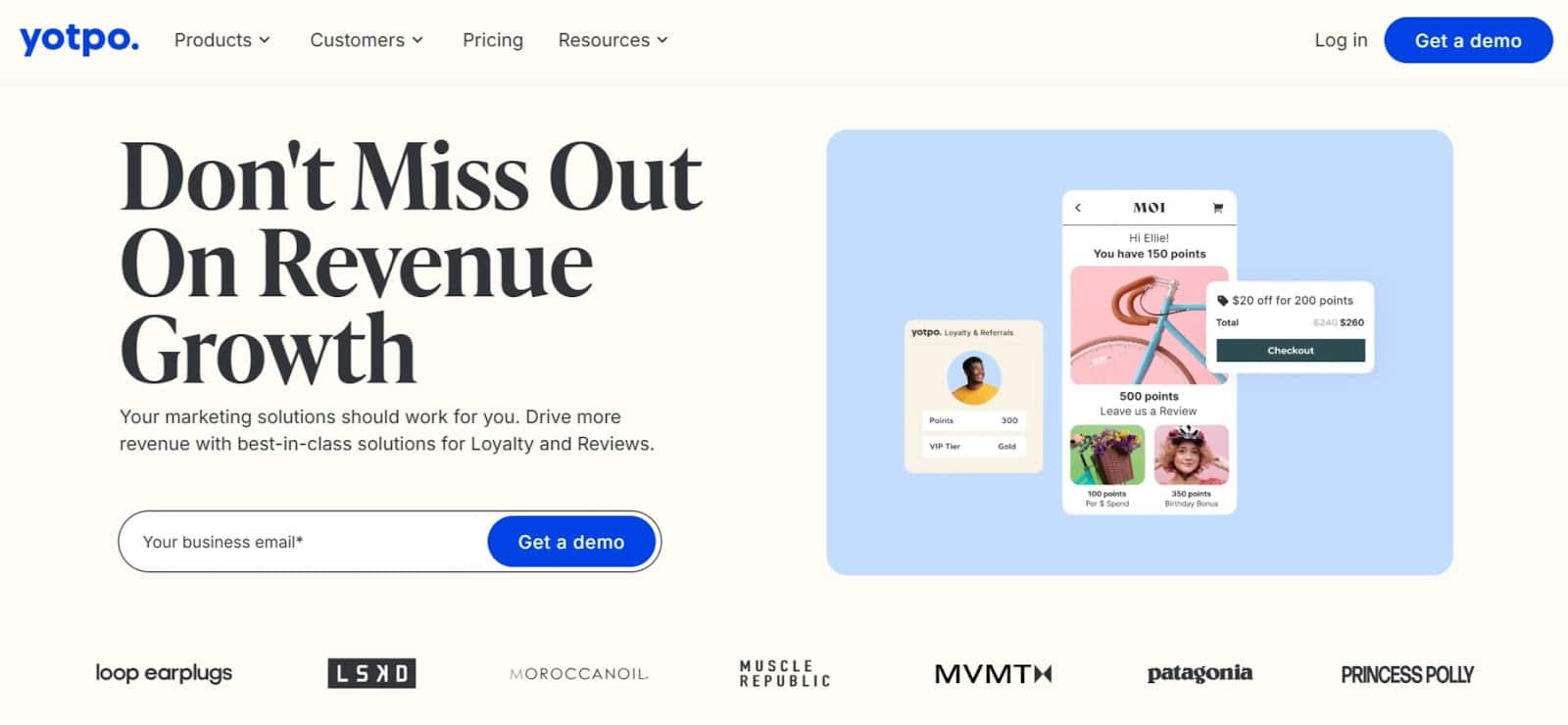
Fixing these 17 issues requires more than just good intentions; it requires the right technology infrastructure. Yotpo Reviews and Yotpo Loyalty are designed to solve these exact friction points. By using Yotpo Reviews, you can leverage AI-powered Smart Prompts that are 4x more likely to capture high-value feedback, ensuring your product pages are rich with the data shoppers need.
Simultaneously, Yotpo Loyalty allows you to build a tiered, emotional connection that rewards engagement, not just spend. Together, they turn a transactional store into a relationship-driven brand, helping you retain customers in an era where acquisition is harder than ever.
Conclusion
A great customer experience isn’t about a single “wow” moment. It’s the result of getting all the small things right, consistently. It’s about swapping friction for a frictionless checkout, replacing impersonal automation with genuine personalization, and turning a one-time buyer into a valued community member.
As we’ve seen, most bad CX comes from broken processes, not bad intentions. By listening to customer feedback, embracing transparency, and using smart tools for reviews and loyalty, you can stop just selling products. You can start building lasting relationships, which is the only sustainable way to grow in today’s competitive eCommerce world. Your customers will thank you for it with their loyalty.
FAQs: Bad Customer Experience Examples
1. What is a “bad customer experience” (CX)?
A bad customer experience is any interaction during the customer’s journey that causes friction, frustration, or a feeling of being undervalued. This can range from a slow-loading mobile site to a difficult returns policy or being ignored after leaving a negative review.
2. Why is a good customer experience so important in eCommerce?
In eCommerce, customers can’t touch or feel your products. Their entire perception of your brand is built on their digital experience. A good CX builds trust, which is your most valuable asset. It directly leads to higher conversion rates, better customer retention, and more positive word-of-mouth marketing.
3. What’s the single biggest mistake brands make with CX?
One of the biggest mistakes is ignoring customer feedback. A negative review is a gift—it’s free, direct feedback on how to improve. Ignoring it not only loses that one customer but also signals to all future shoppers that you don’t stand by your products or value your customers.
4. How can I fix a bad returns policy without losing money?
A great solution is to tie your returns policy to your loyalty program. You can offer a standard 30-day return window for all shoppers but provide “free returns” or a “90-day return window” as a special perk for your high-tier VIP members. This turns a cost center into a powerful incentive for customers to spend more and engage with your brand.
5. How do I get more customer reviews?
The key is to ask at the right time and make it incredibly easy to respond. Use a smart review request tool, like Yotpo Reviews, that can trigger emails based on delivery date, not just purchase date. You can also customize the timing based on the product category (e.g., wait 3 weeks for skincare). Offering loyalty points for reviews is another powerful incentive.
6. What’s the difference between a boring loyalty program and a good one?
A boring program is purely transactional (spend money, get a coupon). A great loyalty program, like one built with Yotpo Loyalty, is about recognition and community. It uses VIP tiers to make your best customers feel special, offers rewards for engagement (like writing reviews or following on social), and provides perks that have a high perceived value, like early access to sales or free shipping.
7. My site’s mobile experience is clunky. Where do I start?
Start by going through the entire purchase flow on your own phone. Identify the biggest point of friction—is it the “add to cart” button? The checkout form? Then, prioritize fixing that one thing. Also, check your third-party tools (like review widgets) and ensure they are lightweight and mobile-first, as they can be a major cause of slow load times.
8. How can I personalize my site for customers?
The easiest way to start is by using data you already have. Your loyalty program data is perfect for this. Greet your VIP members with a special banner, show them their points balance, and use their purchase history to recommend relevant, complementary products instead of items they’ve already bought.
9. What should I do if I get a 1-star review about a damaged product?
Act fast and publicly. Use your reviews platform (like Yotpo Reviews) to reply to the review. Apologize publicly, and then explain how you are fixing it. Example: “We’re so sorry to see this! That’s not our standard. We’ve just shipped you a free replacement.” This action recovers the unhappy customer and builds massive trust with everyone else reading your reviews.
10. How can I build a “brand community”?
A great way to start is by encouraging customers to submit photos and videos with their reviews. You can then reward them with loyalty points for this user-generated content (UGC). Finally, feature this authentic UGC in “shoppable galleries” on your homepage. This makes your customers the stars of your brand and shows new shoppers how real people use and love your products.


 Join a free demo, personalized to fit your needs